Health & Fitness
Ospreys Build Nests on Signs, Power Lines & Cell Towers
Deterring ospreys in one location may create a problem elsewhere.
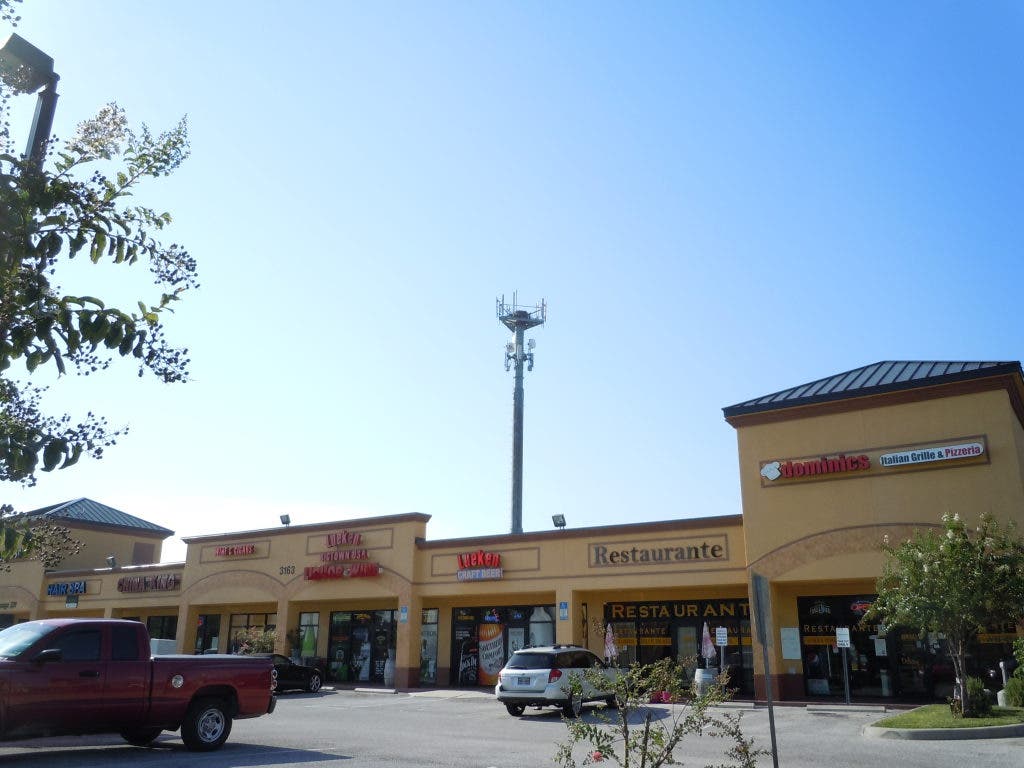


I have been watching the nesting ospreys in Palm Harbor, East Lake Woodlands and Oldsmar for a decade now.
Their large nests often sit on top of utility structures, transmission lines and cell towers, and sometimes nest building occurs on distribution lines. Ospreys mature at 2 years-old, mate for life, and every year they return to the same nest. Nests on distribution lines in Palm Harbor and East Lake can be reported directly to Progress Energy.
I too, welcome these reports and can make crews aware of these problems quickly. When nesting materials come in contact with lines, particularly when the branches are wet, they can cause fires and power outages. Weather, cars and wildlife are among the top three reasons for power outages.
Find out what's happening in Palm Harborfor free with the latest updates from Patch.
Along East Lake Road in Palm Harbor, travelers will see the dish-style osprey platforms installed by Progress Energy to keep the ospreys off of the lines. In East Lake Woodlands, the ospreys inhabit the golf course, preservation areas and sometimes live in trees in people's backyards. Numerous nests reside on the arms of transmission towers in the Progress Energy power corridor that transects East Lake Woodlands and the Brooker Creek Preserve. Some of the nests in the corridor were moved last year from old H-style wooden structures to dish-style platforms on the very tall, new-style steel poles.
Oldsmar has quite a few communication tower nests and nesting attempts on distribution lines occurs frequently. Three nests were removed from the lines in Oldsmar just this year, all built within a one-week period. Nest building on power lines in Oldsmar should be reported to Tampa Electric Company (TECO), but I also welcome these reports and will make sure that the proper group gets the information quickly. Power companies have blanket permits to remove nesting materials due to public safety. In most cases, it is also for the safety of the ospreys, as many birds die of electrocution.
Find out what's happening in Palm Harborfor free with the latest updates from Patch.
For many years, the Oldsmar ospreys have been breeding and producing young in the towers. The towers are all occupied now, so the ospreys are targeting the next tallest structures, the power lines. One of the most visible tower nests in Oldsmar is the very large nest in the T-Mobile cell tower near Starbucks. That nest is planned to come down in September, a permit is pending.
Nests sometimes have to be removed when they get very large because they also become very heavy and stress the equipment. The caustic nature of bird droppings can also be corrosive, so equipment should be cleaned annually to avoid damage. T-Mobile plans to remove the materials and then put up a deterrent so the ospreys will no longer be able to nest in the tower.
I hope to work with T-Mobile directly so I can use the nesting materials which are removed on empty platforms in various areas throughout the county to relieve nesting pressures in those areas. But, I wonder, where will the Starbucks ospreys renest? Can I find a spot for a pole and platform? And what about the other three pairs that were deterred this year, and the multiple pairs which were deterred the year before last? Eventually, I foresee them nesting on business signs and roofs.
This has already occurred in Palm Harbor on several occasions, and in each case I stepped in to help the businesses and the birds make the best of the situation by installing an artificial nesting structure. Deterring ospreys that have been nesting for a long time in one place could cause an unwanted expense for a small business or for the city when the ospreys attempt to renest.
I have contacted Oldsmar City Hall about this concern on various occasions and will once again raise the issue, this time at the August 16th council meeting. It is possible for TECO and the various tower companies to mitigate, if they make every attempt to put up replacement platforms, or if they sponsor platforms and the City of Oldsmar will allow them to be installed in natural areas, away from power lines and busy roads where ospreys often perish. Elementary Schools are also great places for the platforms, as the students can watch and learn about the ospreys.
Removing an osprey nest is illegal without a state permit from the Florida Fish and Wildlife Conservation Commission (FWC). If it is an active nest, which is defined as having eggs or flightless young, then removing an osprey nest is illegal without a the state permit and a federal permit from the United States Fish and Wildlife Service (USFWS).
If you suspect a nest is being removed without a permit or that an active nest is being disturbed then contact FWC Wildlife Alert at 888-404-3922. Permits for active nests are very uncommon. In this area ospreys are unlikely to have eggs or flightless young in August, September, October or November, although some pairs of ospreys such as the Dunedin OspreyCam pair have been known to begin nest building as early as October and incubate as early as December.
Most of the ospreys in Palm Harbor, East Lake, East Lake Woodlands, and Oldsmar nest in January, February and March. In general, nesting occurred at the later end of the spectrum this past year, a choice made by ospreys perhaps due to the cold winters of the last two years.
Osprey are a protected species, and still remain listed in one Florida county. They have different listings in various states and have not returned to pre-DDT population levels everywhere in the country. They are known as a sentinel species or indicator species, meaning that they are indicators of environmental conditions which might eventually affect us. At our latitude, the osprey population is partially migratory, as some ospreys remain on territory and others go great distances during non-nesting season.
To reach me about an osprey related issue please call 727-798-2385 or email me at barbibird@tampabay.rr.com