Health & Fitness
Selecting the Best Pet for You and Your Family: Part 2
Part II of a series of articles with tips and guidelines to help in selecting the pet that best suits you and your family.
Thinking about adding a pet to your family? Palm Harbor veterinarian Elizabeth F. Baird of Country Oaks Animal Hospital & Kennel explains some things you may want to consider.
Selecting the Best Pet for You and Your Family: Part 2
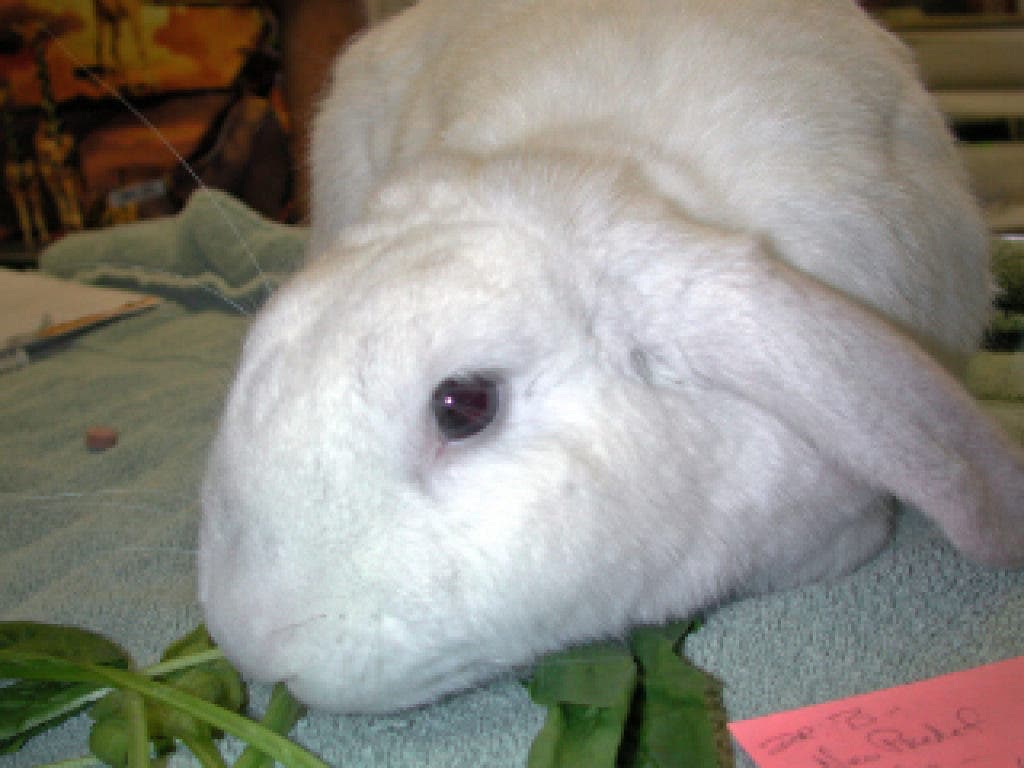
Rabbits need a quiet and calm environment to thrive. They’re very fragile and are never recommended for families with small children, whereas a guinea is a pretty resilient pet for children aged ten and up (with supervision).
Find out what's happening in Palm Harborfor free with the latest updates from Patch.
There really aren't any dog breeds suitable for infants and toddlers. If the dog was there first, there are many steps the new parents may take to help the pet adjust to the changing environment when the infant is brought home. But, if there are no dogs already, it's far better to wait until the child or children are a bit older before jumping into dog ownership. Many breeds are great with kids, but may easily knock over a toddler and accidentally hurt them or cause them to be fearful of dogs. And frankly, it can be difficult to protect the pet from the overly enthusiastic hugs and physical attention bestowed by the toddler.
Many experts feel the best age for a child when adding a dog to the family is seven or older. At that age, children may be taught to help provide care for the pet by feeding, brushing and walking them (with supervision), thereby encouraging responsibility. The bond formed between children and their pets can be quite deep and provide a whole new dimension to their lives. This special bond may provide confidence and different opportunities to develop emotionally.
Find out what's happening in Palm Harborfor free with the latest updates from Patch.
Many active families do very well with big, lovable Labs or Golden Retrievers. They are typically sweet, outgoing and not likely to become grumpy if handled a bit roughly by a well-intentioned youngster, while a French Bulldog or Brussels Griffon might nip in that same circumstance. Again, breed characteristics can be a big help in guiding your choices.
So, what about the mixed-breed dog in the shelter? That's a bit more difficult. But predominant breeds are often evident in the appearance and personality. DNA testing can help determine the heritage of the mixed-breed dog to help better predict personality traits and predisposition to future health problems. It’s also helpful to speak to the shelter personnel and get their feedback on a specific pet. They often have a great deal of insight into the pet's personality. (Remember, though, that shelter personnel have only observed animals in the shelter environment.) It can also be helpful if there is some history about the pet's prior environment, such as whether they lived with children or cats before coming to the shelter and why they were relinquished.
To help you evaluate the suitability of a potential pet, many shelters will permit extensive visits with the pet, including the introduction of your children and other pets. The shelter's goal, after all, is also a successful match!
Coming soon… what age pet to choose? A playful puppy or kitten or a more mature pet… and one or two? What breeds are good with children?
Thanks for reading!