Community Corner
Breaking Breast Cancer News to the Kids
It's good to be positive and tell kids as much as they want to know about your diagnosis.
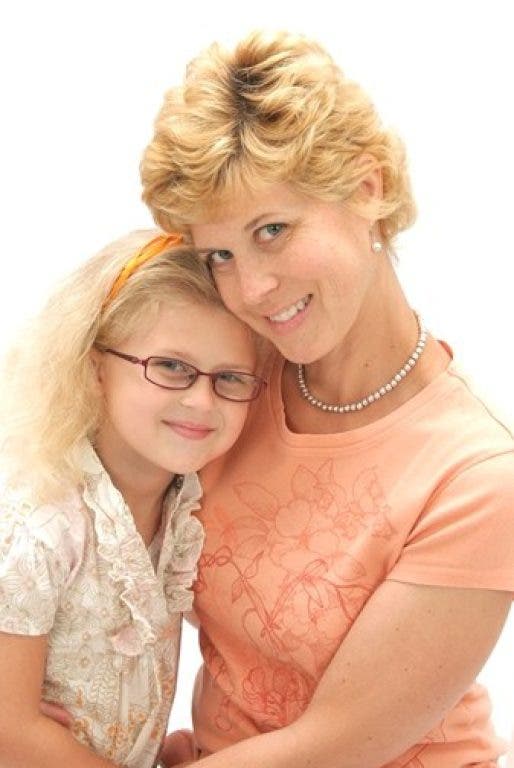
You've been diagnosed with breast cancer, but now you're worried about how t tell your children.
Be prepared for all kinds of inquiries but here’s the main question most children will want to know, “What about ME?”
Then, “How will my schedule change?” “Will you still have time for me?” “Is this my fault?” “Am I going to get it?” “Will I lose my hair, too?”
Even the most compassionate children, who will surely want to know that their parent is going to be OK, will want to know the impact the disease and treatment will have on them, said Marsha T. Oakley, nursing coordinator at The Hoffberger Breast Cancer Center at Mercy Medical Center in Maryland.
Find out what's happening in Palm Harborfor free with the latest updates from Patch.
“It’s good to be positive and to let them know as much as they want to know,” she said.
Heather Genovese, a licensed psychoanalyst and an adjunct professor at the College of New Rochelle’s graduate school of art therapy program, agreed with Oakley. But Genovese also warns against providing too much information.
Find out what's happening in Palm Harborfor free with the latest updates from Patch.
“They don’t need to know every detail, but it’s important to keep them up to date so they are not constantly worrying about something bad happening,’’ Genovese said.
Genovese said it is important for parents to make sure their children have access to a strong support system of adults and friends. She also suggests that parents fight the temptation to lean on their children for emotional support.
“It’s important to remember that the parent is there for the child—one of the most scary things for a child to think about is the idea of losing a parent,” Genovese said.
Breast cancer survivor and author Lisa Klenoshek agrees. Her daughter, Zoey, was 4 when Klenoshek was diagnosed three years ago at age 41.
“She knew right away and wanted to know why there were pink ribbons on things and why I was getting gifts when it wasn’t my birthday,” Klenoshek said. She lives in Cranberry Township, PA.
“I had to think fast! And think like a bright 4-year-old. So, I just told her that I had some bad stuff in my body that the doctors were going to take out,” she said.
Zoey seemed OK with that answer and promptly asked her mom for a Pop Tart.
Honesty at an age-appropriate level is important, she said.
Klenoshek wrote a book, that touches on some of the words involved with breast cancer – surgery, chemotherapy, radiation—and their effects.
“I hope my book is helping parents talk to young kids about cancer. My story touches on hair loss and fatigue, which are common during treatment.”
Among the lessons Klenoshek learned: Kids want to help, too. “Zoey was always bringing me fluffy pillows and giving me extra hugs.”
Survivor Tammy Wacker of Altamonte Springs, FL, told her young children that bodies are like gardens, and sometimes weeds need to be removed. “The weeds in our bodies are bad cells and mommy is having surgery to have the cells removed.” She said the book, The Paper Chain, helped her to explain breast cancer to her children.
It’s important to tell children soon, but not too soon, after diagnosis. Children sense stress and change, but grown-ups should be calm when they tell the kids – so they can be prepared for an emotional or inappropriate response, Oakley said.
Many cancer institutes like the University of Michigan’s Comprehensive Cancer Center offer coloring books, kid-friendly books and brochures. Experts there suggest telling kids under the age of 3 that mommy has a boo-boo or that mommy needs medicine, while preschool kids tend to focus more on concrete concerns, like the side effects of drugs and making sure cancer is not contagious.
Older children want to know more about the treatment plan and that their lifestyles won’t change much. Teens want to know about survival rates, treatment plans, side effects and genetics.
Also, it’s good to let the other adults in the child’s life be in the loop – teachers, coaches and youth leaders—and to suggest another adult as part of the support team, Oakley said.
“And don’t forget gratitude, optimism and faith,” Oakley said. Kids do better with a positive outlook.
Oakley is a two-time survivor, and her children were 5, 9 and 11 when she was first diagnosed in 1986. “There wasn’t nearly the information available back then. The pink ribbons are so prevalent that children are more familiar with breast cancer now.”
Oakley said her children were concerned about her and gave her extra love, but they also wanted to know who was going to take them to their soccer game or help them with their homework.
Genovese said it is important for parents to make sure their children have access to a strong support system of adults and friends. She also suggests that parents fight the temptation to lean on their children for emotional support.
Genovese also said parents need to keep a close eye on their children to see how they’re coping after they receive the news. Some children may withdraw or begin struggling in school, while others might act out and rebel.
“If a parent begins to notice signs of distress or behavioral changes, they may need to see a therapist,” Genovese said.
There are help lines and support groups for children and teens, including Gilda’s Club in various locations, Kids Cope in Atlanta and Kids Konnected in various states, including California, New York and Pennsylvania.