Community Corner
Sanctuary Cares for Soldier's Pet Lemurs
A man enlisted in the U.S. Army left his pet lemurs in the care of volunteers at the Suncoast Primate Sanctuary, and four years later, one of them recently birthed a pup.
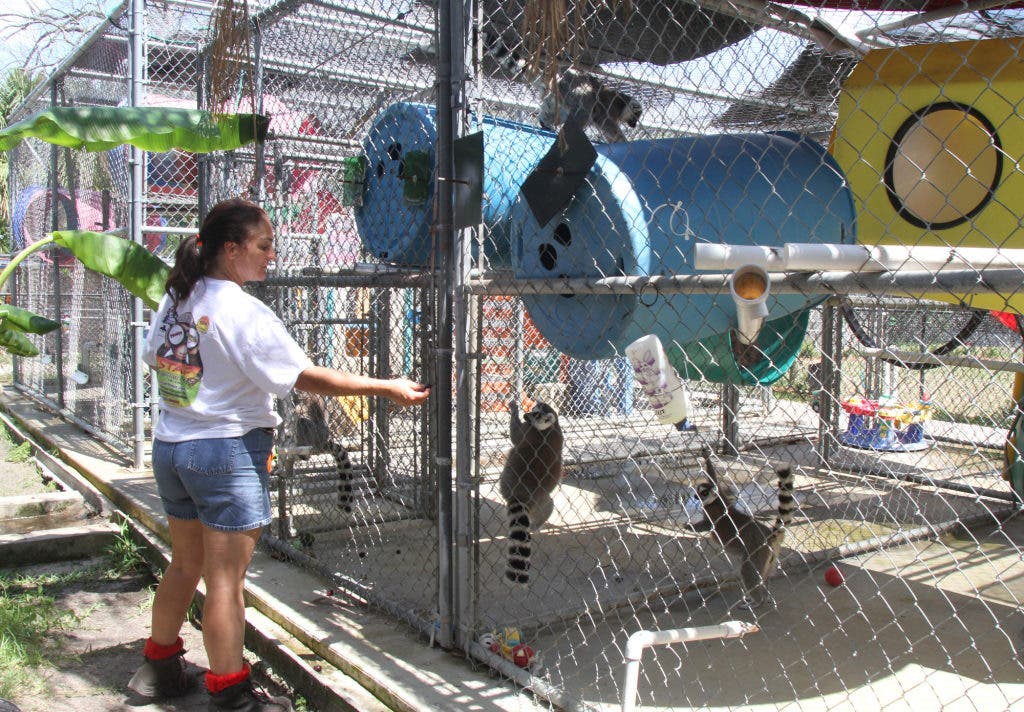


When the 's Board of Directors was presented with a man's unusual pet boarding problem, they knew right away they had a solution.
A Seminole man serving in the U.S. Army had contacted the sanctuary asking if they would care for his ring-tailed lemurs while he was deployed to Iraq.
After all, outreach coordinator Debbie Cobb said, “If we couldn’t serve someone that was servicing us in Iraq, how could we serve our community?"
Find out what's happening in Palm Harborfor free with the latest updates from Patch.
The soldier, who asked to remain anonymous for security reasons, had been caring for his pet lemurs for nine years. As a responsible owner of his lemurs, exotic animals indigenous to Madagascar, the young man cared for them much like dog and cat owners care for their pets. But it takes a little more specialized care for exotic animals living in captivity, said Cobb, also a veterinarian’s technician.
“Plan for 20, 30, 40, 50 even 60 years," she said. ”In captivity the quality of the animals’ lives go up. They don’t have to defend themselves in the wild. They’re void of environmental issues. They won’t experience parasites, and they won’t get eaten by another animal,” among other things.
Find out what's happening in Palm Harborfor free with the latest updates from Patch.
Some animal rights activists opposed keeping animals in captivity, and they offered to euthanize the lemurs as an alternative. The soldier preferred the sanctuary, so Cobb went and picked them up and brought them to the sanctuary where they were welcomed with open arms and cage doors.
The Suncoast Primate Sanctuary facility is an optimum place for small primates and exotic animals for receiving the special care they require. The maze of cages and enclosures at the sanctuary was a natural fit and the right atmosphere for the soldier’s lemurs.
It’s been almost four years since the soldier was deployed and left the lemurs in the care of the sanctuary. And recently one of the lemurs gave birth. In an email after learning of the baby lemur, Cobb said the soldier emailed her back and said how excited he was of the offspring. They never mated while they were in his care all those years.
Cobb said the soldier was in his late 30s, single, with no family or relationship. All he had were the lemurs that he purchased locally over a decade ago.
He expressed his appreciation for the care his lemurs were receiving and was quite happy to hear about the baby lemur’s progress. He wrote that he was happy the lemurs now have a family and shared his thoughts on lemurs in captivity.
“I understand how lemurs and animals in captivity are not noticed or how they get forgotten because sometimes you’re a lone soldier when you choose not to have a family, not to have a relationship…. Now I’m in the service. Do some people think I’m wrong for wanting a pet lemur in my life?”
When he completes his duties, the soldier may choose if he wants to reclaim his pets or leave them at the sanctuary.
Cobb learned in the last email with the soldier that he decided to re-enlist, which means another four years caring for his lemurs.
Cobb’s mission is clear. She is dedicated to the lemurs’ care and that they receive everything the soldier wanted them to have: love, dignity, respect and a long-term home.
“I chose to be in their life… You have to go the distance,” she said.