Business & Tech
Restaurant Inspection Report: The Thirsty Marlin
Here's a look at the most recent routine restaurant inspection report for The Thirsty Marlin which was conducted more than a year ago on May 24, 2011. The DBPR says the next unannounced routine inspection can come at any time.


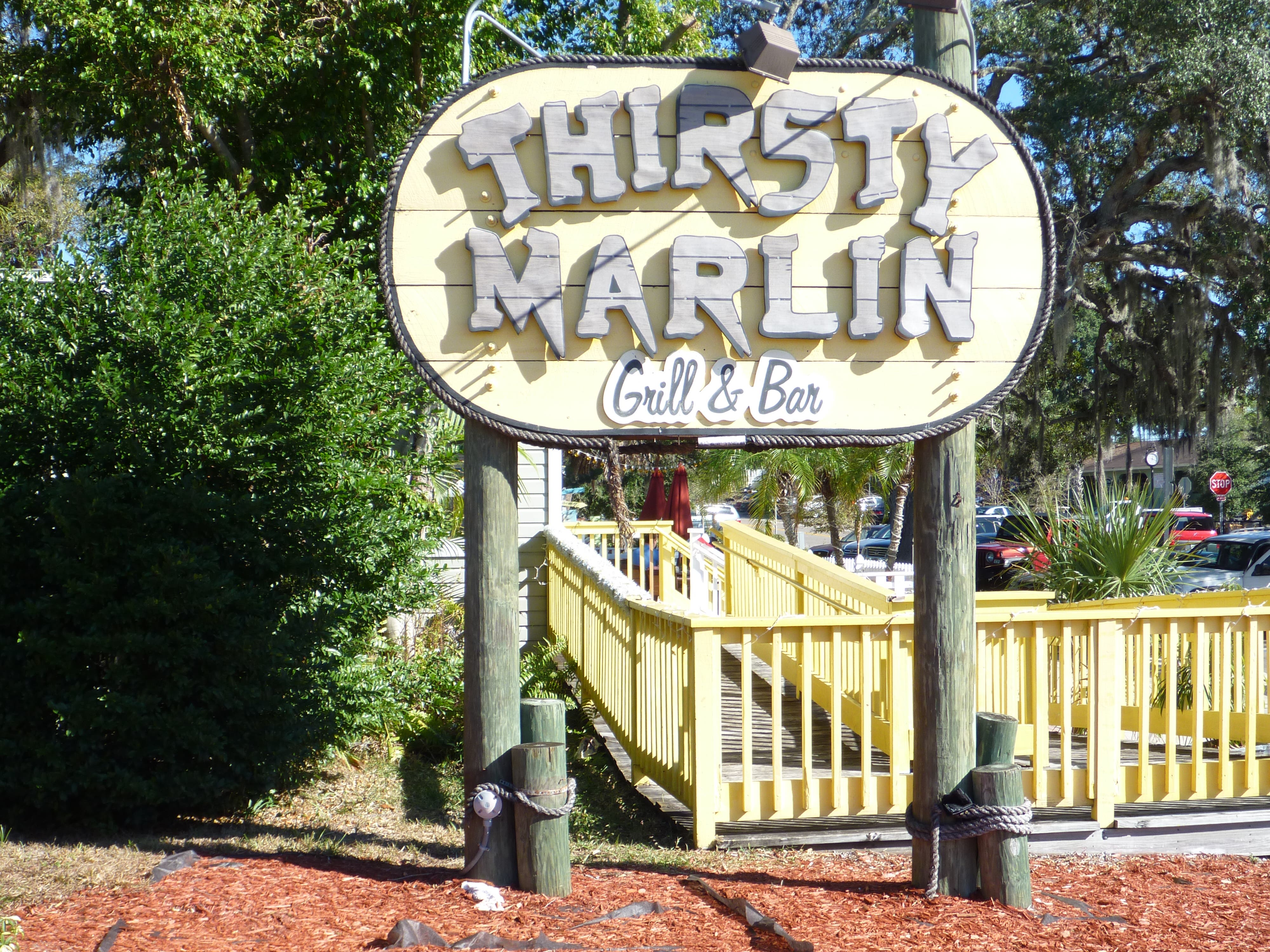
If you've ever worked in a restaurant, you're probably aware of the strict sanitation standards that staff must adhere to.
You're also probably aware that inspectors from the Florida Department of Business & Professional Regulation can drop by for surprise inspections. The inspection reports are a "snapshot" of conditions present at the time of the inspection and may not be representative of the overall long-term conditions at the restaurant, according to the Florida Department of Business & Professional Regulation website
So how did your favorite restaurant fare during its most recent inspection?
Find out what's happening in Palm Harborfor free with the latest updates from Patch.
Here's a look at the inspection report for which is located at 1023 Florida Ave. The inspection was conducted on May 24, 2011.
Result: Met inspection standards during this visit
Find out what's happening in Palm Harborfor free with the latest updates from Patch.
Critical Violations: 2
- Observed encrusted, soiled material on slicer. Corrected On Site.
- Observed interior of reach-in cooler soiled with accumulation of food residue. Corrected On Site.
Non-Critical Violations: 4
- Observed build-up of food debris, dust or dirt on nonfood-contact surface. (mixer, prep table)
- Observed build-up of food debris, dust or dirt on nonfood-contact surface. (shelves in walk-in cooler)
- Observed food debris accumulated on kitchen floor. (walk-in freezer)
- Carbon dioxide/helium tanks not adequately secured. (bar)
An explanation of violations from the Florida Department of Business & Professional Regulation website:
The department cites violations of Florida's sanitation and safety laws, which are based on the standards of U.S. Food and Drug Administration's Food Code. In general, critical violations are those that, if not corrected, are more likely to contribute directly to food contamination, illness or environmental damage. Although we use the industry-standard term "critical", varying degrees of severity and potential risk to the public require inspectors to assess each situation in determining the appropriate action. In addition, while an establishment may have multiple violations, the inspectors' training and judgment formulate the overall result of the inspection to ensure the public health and safety. While most establishments correct all violations in a timely manner (often during the inspection), the division's procedures are designed to compel compliance with all violations through follow-up visits, administration action or closure when necessary.
Get more local news delivered straight to your inbox. Sign up for free Patch newsletters and alerts.