Politics & Government
New Law Could Pit Beachfront Property Owners Against Beach-Goers
With the signing of a new law last week, Florida Gov. Rick Scott drew a line in the sand between private and public beaches.


TALLAHASSEE, FL – With the signing of a new law last week, Florida Gov. Rick Scott drew a line in the sand between private and public beaches.
But those on both sides of the issue say the line remains fuzzy because the boundaries for public beaches now must be decided by individual judges on a case-by-case basis.
“It’s really complicated,” said Holly Parker Curry, Florida regional manager of the Surfrider Foundation. “The only thing that’s clear is the beach below the mean high-tide line is still public. It’s the status of the dry, sandy areas that is in dispute.”
Find out what's happening in Pinellas Beachesfor free with the latest updates from Patch.
The Surfrider Foundation, a national nonprofit environmental organization, believe the world’s beaches and oceans belong to everyone and, therefore, everyone should have access to them.
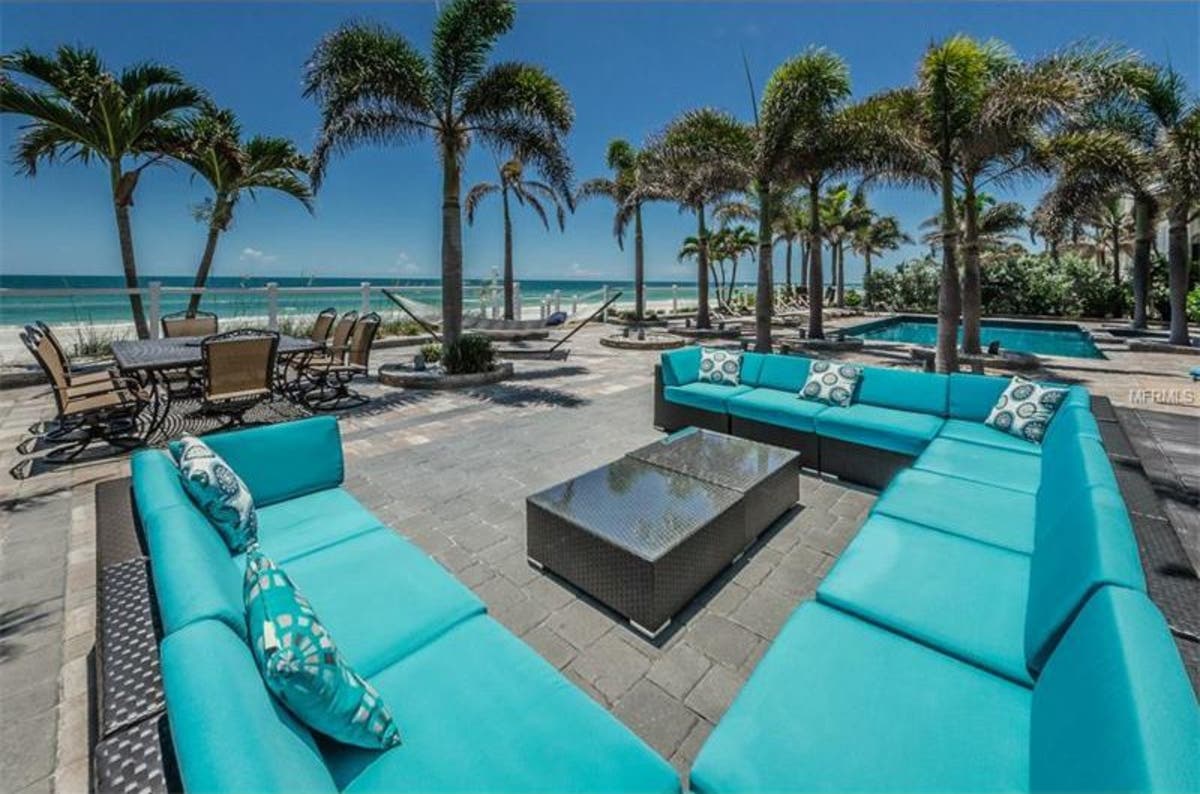
But tell that to the resident who just paid $7.8 million for a home with 120 feet of frontage along Redington Beach. There’s a fear among property owners that the land they hold title to could be declared public property.
Find out what's happening in Pinellas Beachesfor free with the latest updates from Patch.
The new law is pitting property owners who want to protect their property against beach-goers who just want to picnic on dry sand.
The impetus for the new law was the passage of an ordinance in Walton County in the Panhandle in 2017 that gave the public access to beach property above the high-tide line under the state’s “customary use” doctrine.
According to University of Florida environmental law teacher Alyson Flournoy, while beaches can be declared private property beyond the high-water mark, cities and counties have the right to apply a legal doctrine called customary use to declare these dry beaches if they can prove the beach has been used by the public since “ancient times.”
Before Walton County passed its statute, only Volusia and St. John’s counties used the customary use doctrine to declare beaches public, and that occurred decades ago.
Walton County’s decision to suddenly assert customary use was greeted with an outcry from beachfront property owners who filed suit in federal court against the county.
While awaiting the court’s decision, Walton Beach beachfront property owners scurried to install fencing and post “No Trespassing” signs to keep the public off their properties. There were even reports of fistfights with tourists who ignored the private property signs.
Ultimately, the federal court upheld Walton County’s right to assert customary use. However, the county’s victory was pre-empted by the 2018 Florida Legislature and Gov. Rick Scott with the new law.
In a nutshell, the law, which goes into effect in June, takes the ability to declare customary use out of the hands of municipalities and puts it in the hands of judges.
“Except for Volusia and St. John’s counties, which is grandfathered, the new law essentially strikes existing beach access ordinances passed by local governments,” said Curry.
Opponents of the new law say it will ultimately impact Florida’s tourism-dependent economy.
“The law is very confusing and it’s going to be bad for tourism,” Curry said. “People can no longer be certain whether a beach is public or private. They afraid they’re going to get kicked off the beach they’ve walked on for years.”
She said the effect on tourists is yet to be seen.
“Tourism is the lifeblood of many communities in this state,” Curry said. “But those people in Iowa and Kansas are going to be less inclined to vacation in Florida if they’re not sure they’ll have access to the beach.”
Curry toured the beaches of Walton County after it passed its customary use ordinance.
“I saw plenty of signs and it was incredibly damaging to the esthetics, incredible unwelcoming and incredibly damaging to the economy of the local community,” she said.
Currently, more than 50 million tourists visit Florida beaches each year, spending $19.3 billion.
The new law raises other questions as well.
Florida’s beaches are receding due to rising sea levels and the removal of natural vegetation that keeps sand in place.
Municipalities throughout the state are spending millions of dollars on beach re-nourishment projects to prevent erosion.
And the Florida Supreme Court has determined that any beach that has been restored with public tax money must be accessible to the public.
As a result, beachfront property owners are balking at re-nourishment projects intended to save Florida beaches.
Scott says critics of the new law are making much ado about nothing.
"The way the bill works is, you're going to continue to have access to the beach but we're also going to protect property rights. We should be doing both of those things, and that's what this bill does," he said.
And State Rep. Katie Edwards, D-Plantation, who sponsored House Bill 631, believes it’s better for an unbiased judge to decide whether a beach is public or private on a case-by-case basis to ensure the dispute in Walton County isn’t repeated.
The true impact of the new law is yet to be seen, said Curry.
“Court battles are potentially expensive so it’ll be interesting to see if local government have the stomach to battle for public beaches,” she said.
Image via Realtor.com
Get more local news delivered straight to your inbox. Sign up for free Patch newsletters and alerts.