Politics & Government
Pinellas Partnership Makes Headway In Preventing Sewage Overflows
Investments made in system testing and infrastructure improvements are the key, said officials


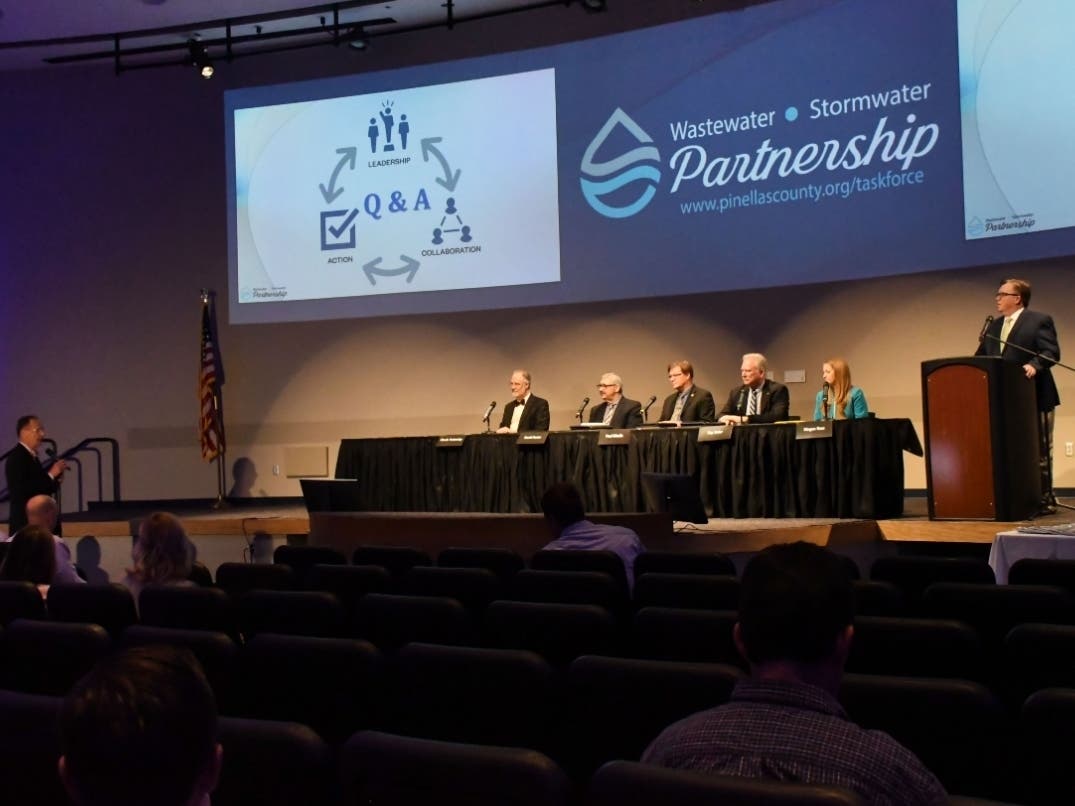
PINELLAS COUNTY, FL -- County, city and agency partners that make up the Wastewater/Stormwater Partnership met Thursday, May 23, to present updates regarding the progress and outcomes of projects to improve the resilience of the county’s wastewater and stormwater systems.
The Partnership’s Technical Working Group—a body comprised of utilities and stormwater professionals across the 24 municipalities and Pinellas County government—reported on key findings that will help keep stormwater from inundating the wastewater system during heavy rain events, causing sanitary sewer overflows.
In addition, the group reported about the progress of legislative initiatives and public outreach efforts to encourage and assist the public in understanding their role and responsibility in the prevention of conditions that lead to sanitary sewer overflows.
Find out what's happening in Pinellas Beachesfor free with the latest updates from Patch.
This year alone, $240 million in wastewater capital improvement projects have been budgeted across the county, along with $42 million in stormwater capital improvement projects.
The technical working group reported on countywide studies examining the flow of stormwater entering the wastewater system. As a result of these studies and ongoing planned work, more than 150 miles of gravity sewer pipe has been replaced within the last fiscal year. The work done decreases the inflow and infiltration of stormwater into the wastewater system.
Find out what's happening in Pinellas Beachesfor free with the latest updates from Patch.
The study results will also aid in prioritizing projects to repair, line and replace pipes and other damaged and aging infrastructure in the future.
In addition to mitigating damaged infrastructure, the group detailed parallel stormwater drainage improvement projects to benefit wastewater system function, especially during heavy rain events.
Data from recent studies showed that flooding durations and depths correlated to stormwater entering the wastewater system in areas containing wastewater structures, like manholes and sewer pump stations. Projects identified from the analysis will be prioritized according to the most beneficial in keeping the largest volume of stormwater out of the system.
The group is also continuing to evaluate and move forward effective legislative solutions to tackle the stormwater and groundwater inflow and infiltration issues where agency-provided solutions are not applicable, like damaged and aging private connecting sewer lines that allow the infiltration of groundwater into the wastewater system. Among these options are a variety of initiatives that allow for inspections and corrective repair of defective privately owned sewer lines.
The partners continue to conduct public outreach about individual actions to decrease negative impacts to the wastewater system, encouraging citizens to “throw it in the trash, don’t flush it.”
This means avoiding:
- Putting fats, oils and grease down the drain.
- Flushing personal wipes and other non-flushables in the sewer system, including wipes that claim to be flushable.
- Unnecessary water use during heavy rain events.
In addition, the partnership debuted a branded social media campaign and video to help the public understand that their toilet is not a trash can, and that flushing non-flushable items into the system can cause wastewater backups into homes and neighborhoods.
The Wastewater/Stormwater Partnership was formed in October 2016 as a joint initiative to address countywide wastewater and stormwater issues brought about by historic heavy rainfall events. The countywide team is comprised of leaders and staff from Pinellas County government, 17 municipal partners and three private utility systems.
The Technical Working Group meets regularly to evaluate each utility system’s status in regard to rehabilitation and replacement projects that are underway and/or planned, collaborate on common approaches to remediate system-wide issues and discuss detailed future mitigation plans to avoid sanitary sewer overflows during extreme weather events.
For more information about the Wastewater/Stormwater Partnership, click here
Get more local news delivered straight to your inbox. Sign up for free Patch newsletters and alerts.