I can hear the silence between the two people having a conversation long before I know what they’re saying.
Trolley stops are often quiet, especially in the heat of a summer day where breathing in the salty beach air takes effort. It’s the not the quiet that piques my interest; it’s the way the quiet feels charged.
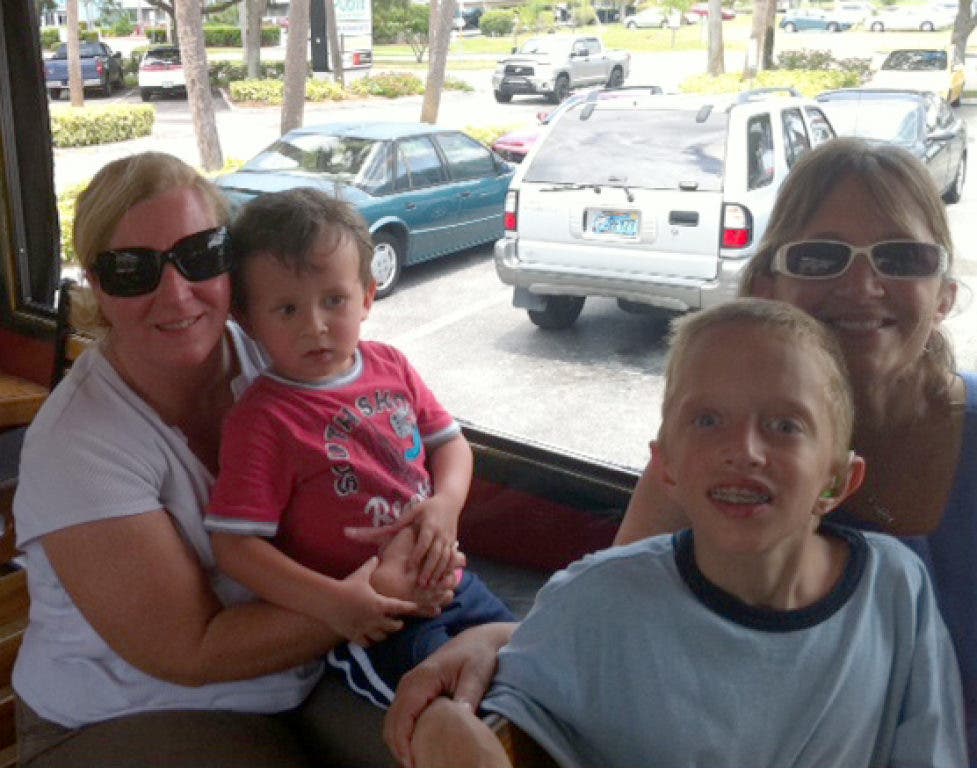
The women approached the bus stop with two children in tow, but neither the children nor the ladies speak to each other. The younger boy, a sweet-faced just-past-toddler-aged brown-haired child, settles into the grass and runs his toy fire engine through the dirt. Every time he smacks the toy down solidly, its tinny siren whines and the not-quite-overdriven speaker calls out “Fire! Fire!”, blending in with the cacophony of beach traffic and boat noise on Clearwater Beach.
His mother doesn’t appear to mind; where many parents would have asked him to stop or scolded him, his mom doesn’t speak one word.
It comes as an expected surprise when I see the two ladies debating the trolley schedule with their hands. I spent the first two years of college as a tutor and notetaker for deaf and disabled students at St. Petersburg Junior College, and when I see the flash of their fingers the silence feels familiar and full.
I never learned proper sign language. I could fingerspell, which is exactly as it sounds, spelling out words with your fingers, and I learned many signs, but college was a long time ago and, like any language, if you don’t speak it on the regular, it doesn’t come easily. I have no idea what words they’re using, but I understand enough to figure out they’re confused about the bus schedule.
The words “excuse me” I remember and don’t have to spell out, as I dothe all-too-familiar “I don’t understand,” but I have to fingerspell “much.” I know the signs for “sign language” and explain, haltingly, that I can fingerspell. They are patient in explaining they want to know if they can get to Publix.
From there, we chat, although I can’t imagine the conversation was on any level enjoyable for them. I resist asking the young boy to translate – he will have a lifetime of that ahead of him should he start now – so, slowly, deliberately, I learn that they are locals originally from Maryland and Pennsylvania. They’re spending the day at the beach and now they want to get to Publix.
The Jolley Trolley shows up and I double check with the driver that, yes, the trolley goes to the Publix on Island Estates. I shake my fist "yes" at them and we board the trolley together. The older of the two boys takes a seat behind me. He is lanky and has a hearing aid. Whereas the younger boy spoke to me and told me about his fire truck, the older boy is entranced with the wind blowing through the trolley. He chooses not to speak.
The women and I chat a bit more; they’re enjoying their beach day. I explain to them that I’d like to write about them for the Patch; they teach me how to use signs to tell people I’m a writer.
I stay on the trolley long after they disembark, and when it pulls back in to the Publix lot, I find myself hoping they’ll be quietly waiting in the parking lot.
The parking lot has no sign of them. I was privy to their lives for a half hour, and I’ll probably never see them again. But I know part of their story, and they became part of mine.