Community Corner
Lido Pool Hours Reduced Due To Lifeguard Shortage In Sarasota
Sarasota has reduced hours at Lido Pool after struggling to hire lifeguards this summer.


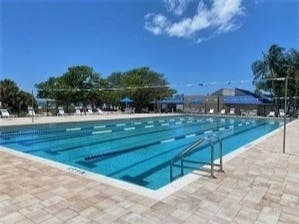
SARASOTA, FL — This could be the summer of disappointment for local kids — and adults — as Sarasota officials struggle to find lifeguards and have reduced hours at Lido Pool.
The problem isn’t unique to Sarasota. Nationally, about a third of pools either won’t open or will limit hours due to lifeguard shortages, American Lifeguard Association Director Bernard J. Fisher II told Newsweek.
“Regretfully, it's probably going to be the worst summer,” he said. “We have 309,000 public pools in the U.S., but we don't have the youth in the ratio to the population.”
Find out what's happening in Sarasotafor free with the latest updates from Patch.
Starting June 14, Sarasota’s Lido Pool at 400 Ben Franklin Drive will be closed Tuesdays.
The adjusted hours of operation will be Wednesday to Sunday 10 a.m. to 4:45 p.m., weather permitting, according to a news release from the city.
Find out what's happening in Sarasotafor free with the latest updates from Patch.
“For the past two years, since the start of the pandemic, there’s been a drastic shortage of lifeguards throughout the country and we’re experiencing it here in Sarasota,” Emily Morris, Arlington Park & Aquatic Complex Manager who oversees Lido Pool, said. “We’re reducing swim hours to allow the pool to remain open with limited lifeguards. We’ll return to regular hours as soon as additional lifeguards are hired and ready for lifesaving duty.”
Qualified lifeguards interested in a position with the City of Sarasota are encouraged to apply online at www.SarasotaFL.gov
The Parks and Recreation Department will host a Red Cross Lifeguarding certification course June 22-24 for individuals at least 15 years of age. Registration is $225. Sign up online at www.LetsPlaySarasota.com
The COVID-19 pandemic contributed to the lifeguard shortage, as it has regarding labor shortages in other aspects of life.
But with lifeguards, it’s more complicated than that. The pandemic meant fewer training opportunities both to become lifeguards and to recertify, Fisher told NPR.
And on top of that, the lifeguard shortage existed before the pandemic, driven by an abrupt change in immigration policy, Fisher said.
Lifeguards found better opportunities at condos and hotels about 20 years ago, leading municipalities and others to rely mainly on Eastern Europeans with J-1 visas allowing them to work in the United States, Fisher told NPR.
J-1 and other temporary visas that allowed skilled professionals and managers to work in the United States were suspended in April 2020, which President Donald Trump said at the time was to protect American jobs as COVID-19 restrictions increased unemployment. In June, he extended the pause on J-1 work visas and other temporary visas through the end of the year.
“That was the straw in the camel’s back that broke everything down,” Fisher said.
The ban expired under President Biden but Fisher told NPR the lifeguard shortages will persist at least through next year and likely longer.
In the meantime, it’s important for kids who are novice swimmers to wear U.S. Coast Guard-approved jackets in the water and for groups to designate a water watcher to keep an eye on kids, Fisher said.
Drowning Looks Different Than You Think
Drowning happens more quietly in real life than it does on TV. In some cases, children drown with an adult only a few feet away.
More children ages 1-4 die from drowning than from any other cause of death except birth defects, according to the U.S. Centers for Disease Control and Prevention. For children ages 1-14, drowning is the second-leading cause of unintentional injury death after motor vehicle crashes.
The CDC says about 3,960 people die from drowning every year, or about 11 people a day. Additionally, there are more than 8,080 non-fatal drownings a year, or an average of 22 a day, according to CDC data.
You might expect to see flailing arms or hear a frantic call for help when someone is drowning, but drowning doesn’t look the way you may think it does. Real-life drowning happens quietly and not at all like the dramatic scenarios that play out on television. People can’t simply stop drowning long enough to take in a breath of air and call for help. The human body isn’t built that way.
Before people drown, they may thrash around in the water — a sign they’re in “aquatic distress,” which may or may not happen before a drowning. They’re normally able to assist in their own rescue by grabbing lifelines, throw rings and other devices.
A true drowning victim is most often helpless. That’s because of how the body instinctively responds to drowning, according to lifeguard Francesco Pia, who came up with the name Instinctive Drowning Response to describe the process.
Rescuers have as few as 20 seconds and up to a minute to save a person from drowning.
To know what drowning looks like, the Coast Guard’s On Scene magazine originally published five tips for recognizing drowning that was shared by Slate.
Get more local news delivered straight to your inbox. Sign up for free Patch newsletters and alerts.