Community Corner
Residential Program For Formerly Incarcerated Women To Open In Sarasota County
Project 180, serving Sarasota and DeSoto counties, is raising funds for its first-ever residential program for women leaving prison.


SARASOTA, FL — A Sarasota nonprofit dedicated to assisting formerly incarcerated people as they return to society is raising funds for its first-ever women’s residential home.
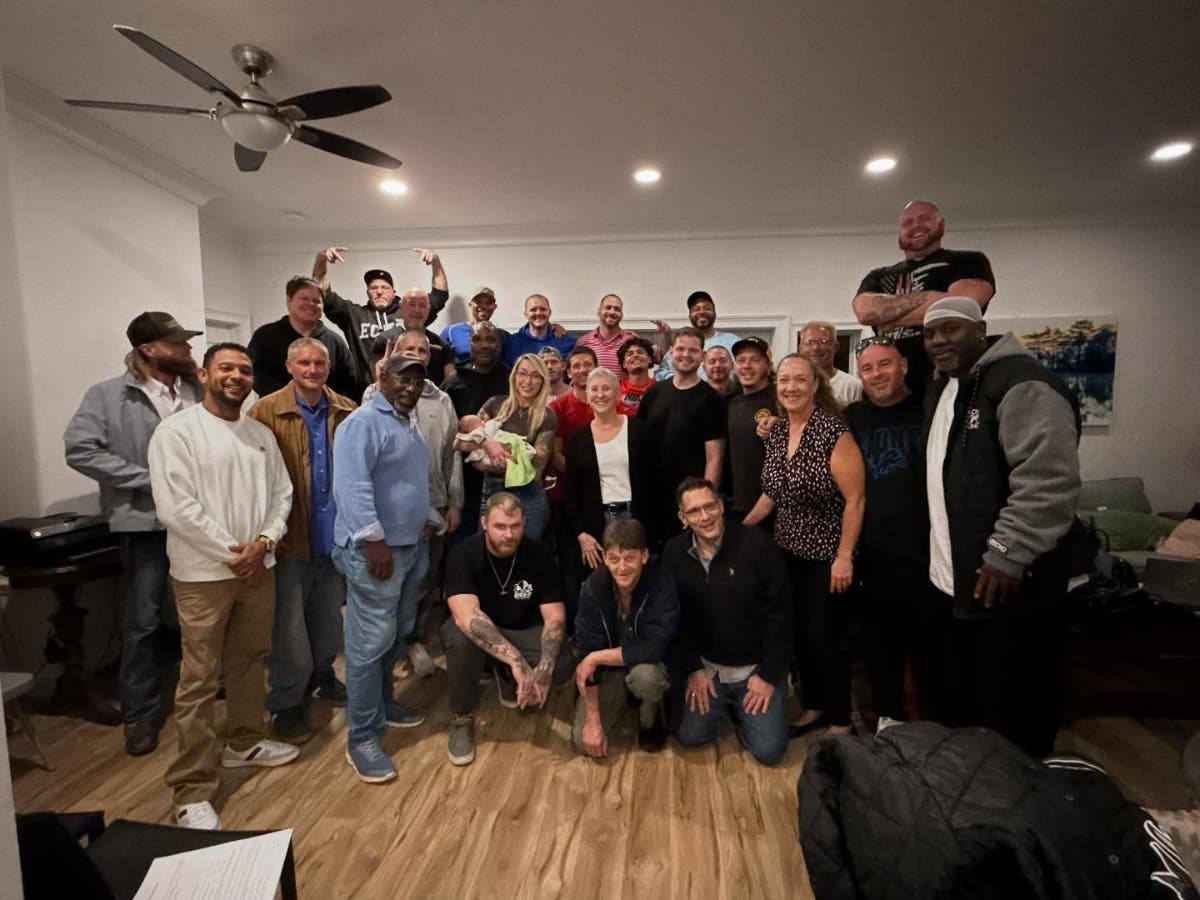
Project 180 already offers three men’s residential homes, as well as other co-ed programs, that help former felons to move their lives forward as they acclimate to life outside prison.
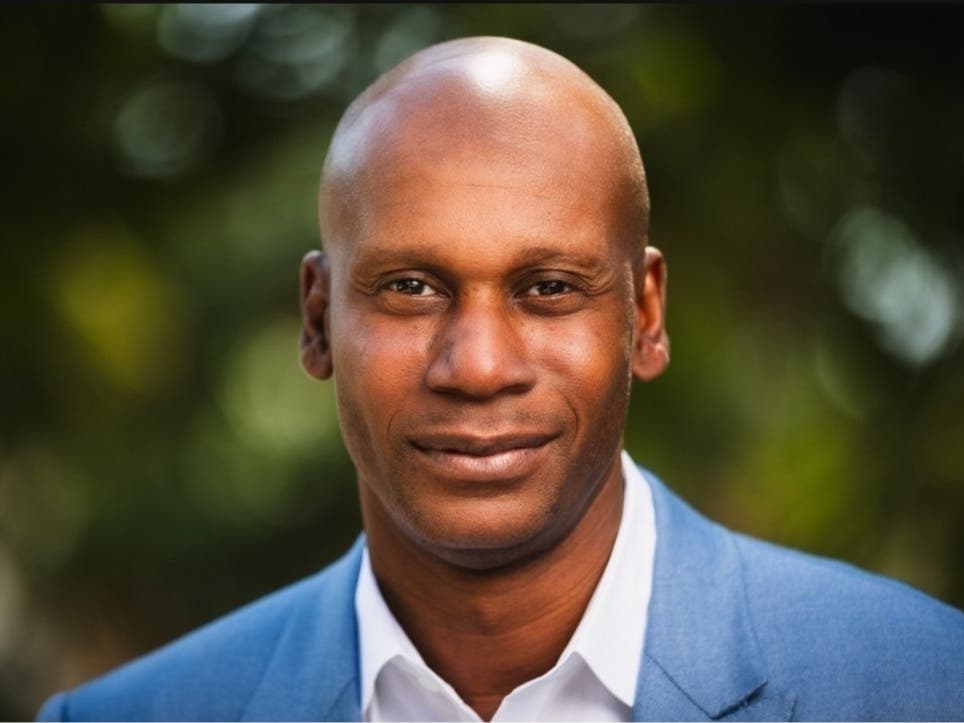
Now, the new home will offer women the same opportunity, Antonia Rolle, president and CEO, told Patch.
Find out what's happening in Sarasotafor free with the latest updates from Patch.
“People get out, and they have no resources. They try to do things the right way, but they can’t, and they do things the way they used to know how to do things, and then wind up back in jail,” she said.
The organization is seeking donations for the new women’s home. Any donations of $25 to $100 made between Wednesday at noon and Thursday at noon as part of the Community Foundation of Sarasota County’s 2026 Giving Challenge will be doubled.
Find out what's happening in Sarasotafor free with the latest updates from Patch.
Donations can be made online here.
The overall recidivism rate for those who return to prison after being released in Florida is more than 60 percent, while the recidivism rate for the more than 142 men who have gone through Project 180’s residential program since 2018 is 27 percent.
“We’re able to cut that in half for people who graduate from our program,” Rolle said.
The nonprofit was formed in 2008 by Barbara Richards. While her background is in hospitality — she worked for her family’s Greek restaurant in San Francisco and was manager of the Olive Garden in the Sarasota area — she was moved by a statistic that she heard while listening to a public radio station in California.
“She heard the statistic that for every Black man in college, there are five in prison,” Rolle said. “And for every Latino man in college there are three in prison. That just didn’t sit well with her.”
Richards went on to earn a master’s degree in criminology and when she moved to Sarasota, began hosting lectures and presentations on issues like mass incarceration and the experiences of former prisoners after their release.
“They get released at the craziest times on weekends, like at midnight, when no services are available, and we wonder why people get locked back up,” Rolle said.
For years, Richards built awareness of the issue, as well as a donor platform, before launching Project 180 in 2008.
The nonprofit’s early programs included First Week Out, which works with citizens from Sarasota and DeSoto counties who are scheduled to reenter before they even get out of prison. This program offers them a safety net and an advocate as they get ready to return home.
“Everyone doesn’t have a family to help them. We are literally meeting them at the bus stop,” Rolle said. “We take them for a haircut, a meal. We get them clothes and two forms of ID. We help them with finding jobs and learning how to live.”
She added, “Our goal is to really, truly let people have second chances. We’re really good at incarceration in this country, but not so good at rehabilitation. And there are hundreds returning to [Sarasota] County each year, whether we’re ready for them or not.”
Project 180 also offers a financial literacy course for returning citizens, as well as a workforce education program that brings CEOs and hiring managers into prisons to work with those who are pending release.
The organization’s first men’s residential home opened in 2018. Today, the nonprofit offers three homes for men.
Each home, all in the Sarasota Springs area, houses up to six men, where they are provided food and the funds to pay for things like medical and dental care, and restoring their driver's licenses.
“They plan meals together like a family. There is such a brotherhood in the house,” Rolle said.
The homes offer them up to two years of stable residency, though, on average, most live there for about one year as they get back on their feet.
Even after they leave the homes, many of the men who graduated from the program still participate in it, returning for weekly meetings.
“They’re invested in it, and they serve as role models for the guys in the house now,” she said. “It’s definitely like a brotherhood, and we’re hoping to create that same thing, but with women.”
For many women who are incarcerated, “their run-ins with the law” go hand-in-hand with addiction, Rolle noted.
While rehabilitation facilities focus on getting people clean, they often stop there.
“They have a place to get clean, but that’s it. And then what? How do you learn to live a whole different type of life?” she said. “We’ve found it’s not just about stopping addiction; it’s about creating a different way to live. If you went right into addiction in your teen years, when did you learn to be an adult? A lot of people leave rehab facilities not quite ready to go out and do it on their own yet.”
In addition to the women’s residential program, Project 180 has also set its sights on social enterprise. Through a recent grant, the nonprofit plans to launch a food truck this year called the Comeback Kitchen, to allow formerly incarcerated people to have hands-on work experience.
“It will be a place for us to do workforce development and teach entrepreneurship skills,” Rolle said. “A lot of people are good at their trade, but they don’t know how to run a business. There are places that teach these skills, but there’s something to be said about hands-on experience. This will be boots on the ground doing it, and we’ll do it in a way so it doesn’t seem like a big scary thing.”
See Also:
Get more local news delivered straight to your inbox. Sign up for free Patch newsletters and alerts.