Crime & Safety
Sarasota Insurance Agent Defrauded Elderly Investors of $6.3M: DOJ
A Sarasota insurance agent was found guilty of conspiracy to commit wire fraud, wire fraud and mail fraud, U.S. Department of Justice said.


SARASOTA, FL — A Sarasota insurance agent was found guilty Monday of charges related to defrauding elderly investors of $6.3 million, according to a U.S. Department of Justice news release.
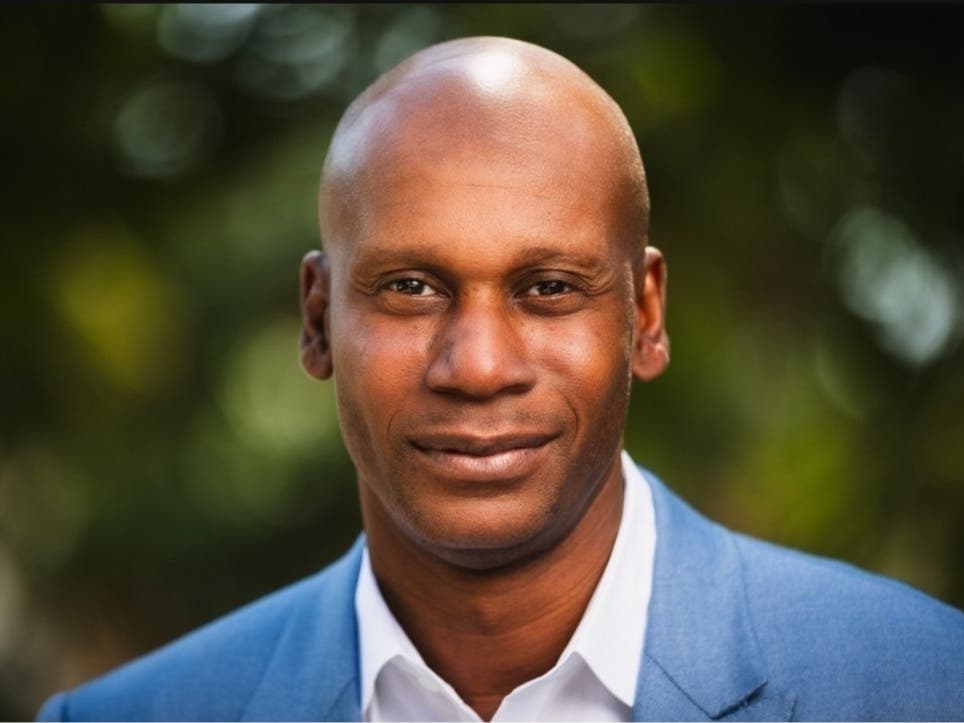
Following a six-week trial, a jury found Phillip Roy Wasserman, 66, guilty of nine counts of conspiracy to commit wire fraud, as well as charges of wire fraud and mail fraud.
He faces up to 20 years' imprisonment for each of the charges, the DOJ said. The United States is also seeking a money judgment in the amount of at least $6.3 million, the proceeds of the crimes Wasserman committed.
Find out what's happening in Sarasotafor free with the latest updates from Patch.
Prior to the trial, separate tax-related charges in a superseding indictment were ordered to be tried separately at Wasserman's request.
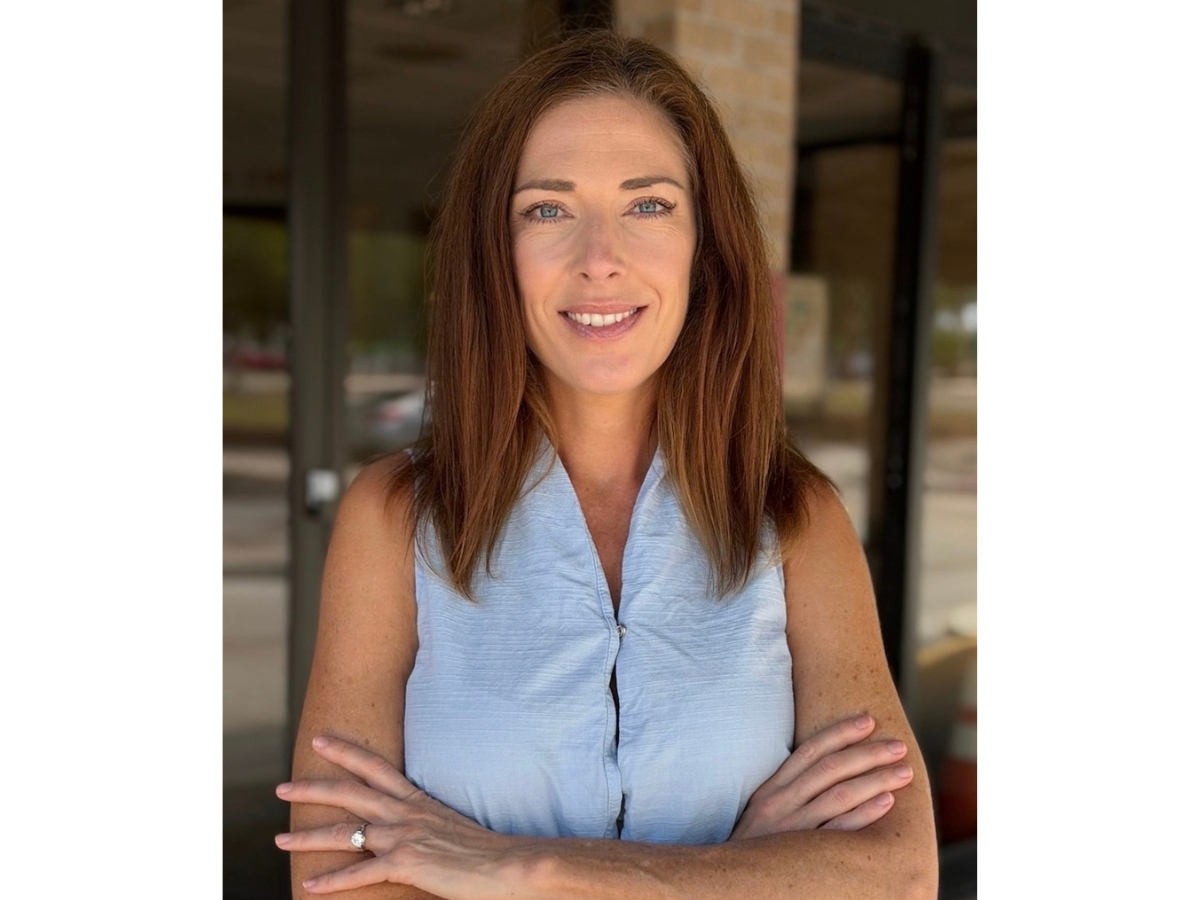
On July 21, 2021, Wasserman’s codefendant, Kenneth Rossman, pleaded guilty to conspiracy to commit wire fraud and mail fraud, as well as aiding and abetting the preparation of a false and fraudulent income tax return, the DOJ said. Rossman's sentencing is scheduled for June 8.
Find out what's happening in Sarasotafor free with the latest updates from Patch.
Wasserman, a former lawyer and licensed insurance agent, and Rossman, a Florida certified public accountant and licensed insurance agent, "made false and fraudulent misrepresentations and concealed material information" to convince elderly victims to invest their money in Wasserman’s new insurance venture, FastLife, the DOJ said.
Some of their victims were convinced to liquidate traditional investments, such as annuities, or to borrow funds against existing life insurance policies to generate cash to invest in FastLife, the agency said. Their victims were not told about surrender fees or other costs associated with the liquidations or about negative personal tax consequences caused by them.
Wasserman paid Rossman a percentage of the victims' money as compensation for his role in the conspiracy. He also used the money to make payments to earlier investors in the FastLife venture, as well as to other earlier creditors.
Some of the money was used to finance Wasserman's "lavish lifestyle," the DOJ said. This included a luxury home, a beach house on Casey Key, Tampa Bay Lightning season and playoff tickets, tickets to concerts and other shows, vehicles, jet skis, jewelry, personal celebrity entertainment, gambling, retail shopping, home improvements, personal insurance, and other expenses for his benefit and the benefit of his family.
Wasserman also took steps to avoid paying more than $900,000 in taxes due and owed, the DOJ said. He also failed to disclose a multitude of civil judgments and other debts pending against him at the time he solicited victims, and concealed FastLife's mounting business debts to various vendors, service providers, employees, independent contractors and investors.
He created a second set of books and fabricated a compensation agreement to convince investigators from the Internal Revenue Service and the Florida Office of Financial Regulation that he hadn't improperly used investors' funds for his personal use. Wasserman also lied to investigators and tried to dissuade several victims from cooperating with law enforcement, the agency said. He even had one victim make a baseless complaint against an investigator.
Wasserman also lied about having an audit from a highly regarded financial services firm that would show neither he nor FastLife had committed any wrongdoing, the DOJ said. In reality, he had never even engaged the firm to perform an audit and never received any final work product of any kind from the firm.
Get more local news delivered straight to your inbox. Sign up for free Patch newsletters and alerts.