Community Corner
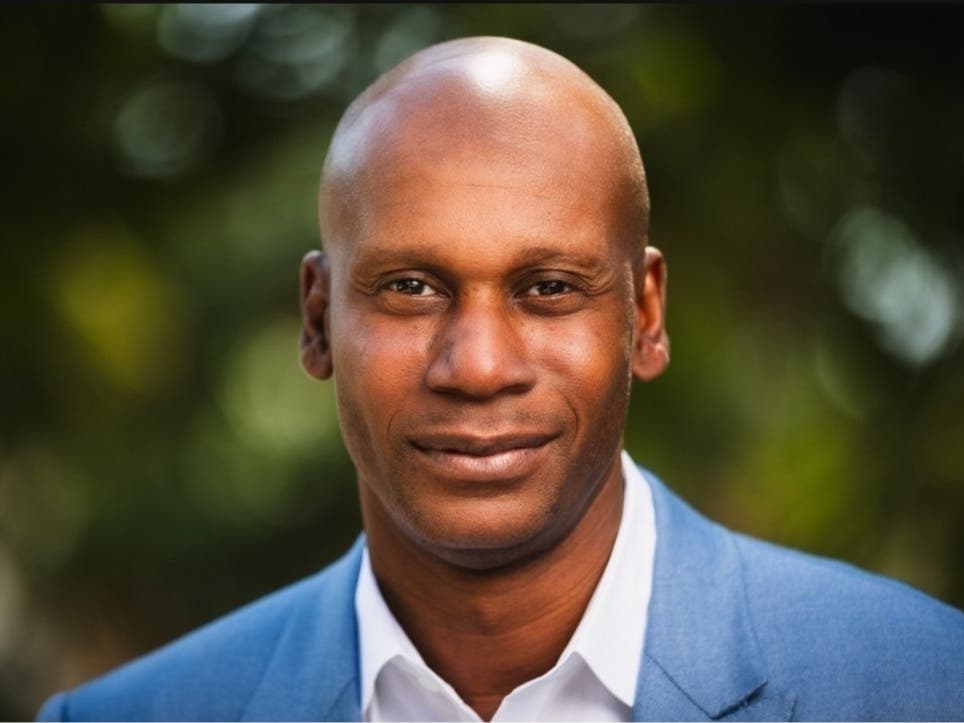
Sarasota Sheriff Tom Knight Named CEO Of First Step
As Tom Knight steps down as sheriff after 12 years, he'll move into a leadership role at the nonprofit First Step.


SARASOTA COUNTY, FL — It’s bittersweet for Tom Knight to think about Jan. 5. The impending date, less than two months away, marks his last day serving Sarasota County as sheriff, a position he’s held since 2008, when he was first elected.
Looking back on his time in the position, he’s proud of everything he’s accomplished, particularly reworking how the Sarasota County Sheriff’s Department has revamped how it helps those arrested for drug-related charges.
But it’s time to move on to something new, Knight said. After 12 years in the role, he’s “tired,” he said in an interview with Patch. “I’m bluntly honest. I’m very open…Thirty-four years is a long time to wear polyester and carry a gun. I’m just exhausted of doing that job…just emotionally tired. It takes a lot of energy to do it. I didn’t know if I had the energy to do it for four more years.”
Find out what's happening in Sarasotafor free with the latest updates from Patch.
He announced in June 2019 that he wouldn’t seek reelection. Col. Kurt Hoffman is the sheriff elect.
He’s excited about the next step, though: He’ll take over as CEO of First Step, the Herald-Tribune reported. The Sarasota-based nonprofit organization works with individuals with mental health and substance abuse issues in three counties.
Find out what's happening in Sarasotafor free with the latest updates from Patch.
In this role, Knight will get to focus on his favorite aspects of his work as sheriff.
“I believe in behavior health. I believe in mental health,” he said an interview with Patch. “It’s a way for me to do, emotionally, what I want to help the community, and feel good. It’s about not worrying about the 2 a.m. phone calls. And I can still use my influence as sheriff, where I know everybody, and I can help.”
Knight added, “I want to do the things that emotionally drive me…I want to continue to be able to do these things without wearing a uniform and a gun.”
When he steps away from office, he’ll have spent 34 years in law enforcement. According to the SCSD website, he graduated from Venice High School in 1981. He attended Manatee Junior College, transferring later to Florida Statue University. There, he earned a bachelor’s degree in criminology in 1986.
He worked with the Florida Highway Patrol for 20 years. When he left to take over as sheriff, he was a troop commander. In this role, he oversaw a seven-county region, more than 300 employees and a $20 million budget.
As sheriff, Knight said his most important work involved crunching the budget, handling the opioid abuse epidemic and improving the high crime rate in the county at the time.
At the heart of his success was treating low-level drug offenders humanely, focusing on addiction and healing, he said. “I found a way to shut the opioids down without putting handcuffs on people…I’ve always said, ‘You can’t arrest your way out of addiction. You can’t arrest your way out of drug problems.’”
Sarasota was the first county in the state to take this approach, he said. He also worked with city, county and other leaders to target the pain clinics prescribing these pills with local ordinances that shut the most egregious of them down. During his time in office, the number of pain clinics dropped from 32 to 13.
Knight also created addiction recovery programs in local jails. The county was the first in the Southeastern United States to do this. As he leaves office, there are 52 programs in the jails that help people with addiction issues, he said.
Over the years, this has helped decrease the county’s jail population and “put people back to work,” he said. “They were committing crimes because of addiction. Emotionally, that means more to me than anything.”
Crime decreased 52 percent over his 12 years as sheriff, he added. Arrests are also down 3,000 annually from when he took over 12 years ago.
“We were strategic about policing, not just sending a fishnet out and arresting everybody and hoping a crime goes down,” he said. Often, those arrested for petty crimes had bigger issues of mental health and addiction; issues that were addressed through support groups and other programs at the jails. “If we arrested you for a property crime, this was an opportunity to get healthy.”
Though it’s tough to leave, he’s ready to take what he’s learned as sheriff and apply it to his new role at First Step.
“It’s a good job, but it’s time to go,” he said. “An agency is bigger than its sheriff.”
Get more local news delivered straight to your inbox. Sign up for free Patch newsletters and alerts.