Community Corner
Basic Breathing Exercises for Yoga
In this continuation of columnist Erin Wheeler's Yoga 101 series, she focuses on breathing exercises that relax the mind and body.
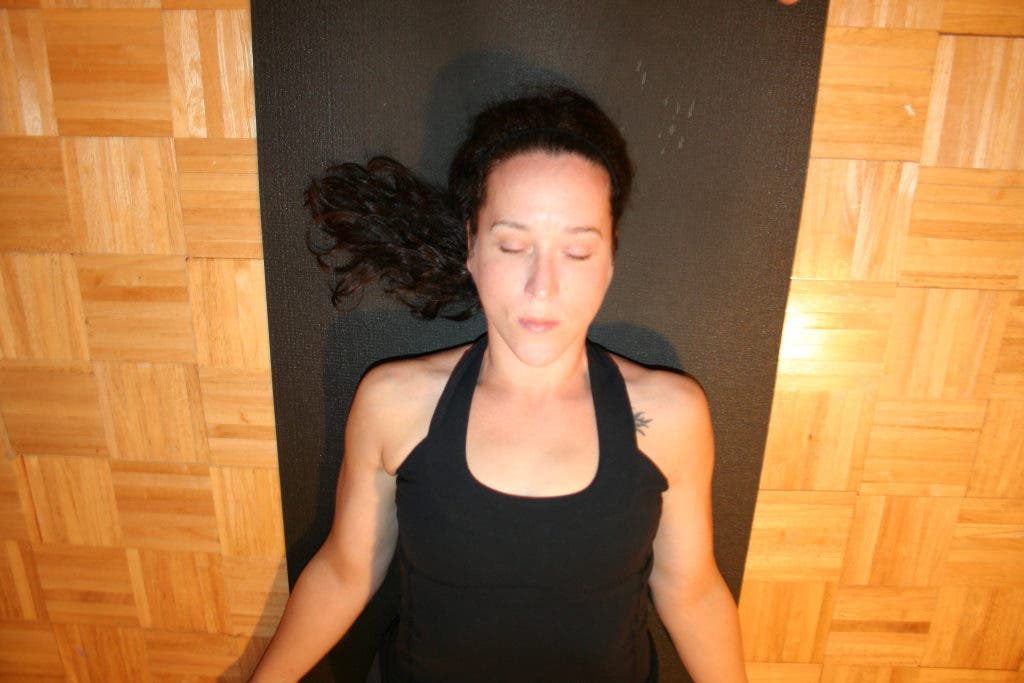


What we know today as yoga began about 5,000 years ago as a seated mediation using different pranayamas ( yogic breathing) that calm the mind and help move and massage the body from the inside out.
Early yogis would become stiff and sore after long periods of meditation, and so they developed asana (the postures) to help them be comfortable during and after meditation.
In most beginning yoga classes, you will be asked to practice the most basic pranayama, called dirgha breath or three-part breathing. Three parts or chambers of the lungs are focused on during inhalation and exhalation. This is used to help quiet the mind and relax the body. The breath work helps to place your mind on “mute” for a reasonable duration to help achieve relaxation.
Find out what's happening in Seminole Heightsfor free with the latest updates from Patch.
In other classes, you may be asked to hold your breath, kumbhaka (breath retention),or be asked to stick your tongue out and exhale looking up, simhasana (lion's breath). And in another class you might be asked to sigh “AHHHHH!” loudly or to breathe through one nostril, called nadi suddhi (alternate nostril breathing).
Don’t get caught up in these terms or thoughts of “am I doing it right?” These different exercises are a way of getting over self judgment. Who cares what some of them look like on the outside? It’s what they do for your inside that is most important.
Find out what's happening in Seminole Heightsfor free with the latest updates from Patch.
Understanding how to breathe in conjunction with one's concentration and adding movement of asana (the postures) into the game, can make the mind swirl.
Pranayama was difficult for me to master initially because my mind is so active. I couldn't get my mind to focus for a long time, probably the whole first year of my learning yoga.
The art of guiding breath in and controlling it out is like learning to swim against a current. You gain strength slowly , like we slowly learn to fight the current of our ever present minds. Then, over the course of life and our practice, we use pranayama like weights and eventually we get stronger and it gets easier to cut through the tides of the mind.
So lets’ have a little mini session and learn dirgha pranayama.
If you are in a chair at work or home either get out and sit on the floor or lie down on a rug or mat. Get comfortable and close your eyes.
Envision a color, any color, and close your lips. Gently begin to guide your breath into the nose and think about the lungs as three parts. Start from the bottom, to the center, to the top of the lungs in the shoulders and collarbones. Guide the breath in the mind from top to bottom out of the nose.
Every time you inhale. think of lengthening. Every time you exhale. feel the body settle and the mind let go. Breathe in through the nose and out through the nose, but if you become dizzy you can start breathing through your mouth.
There are not really any contraindications for this pranayama, but you might feel dizzy, and that’s why you must do it while sitting or lying down.
Continue to breath like this for at least two to three minutes, and when you rise up let it be slow and take a big breath in and sigh out “ahh."
Your body has all it needs to help you relax. With pranayama and the practice of asana (the postures) you will calm your nervous system and digestive tract and strengthen your lungs, limbs, heart and mind.
Congratulations — you have one session of pranayama under your belt!
The earlier you master the basic breath exercises, the easier it will be to move further into yoga practice and your path to good health.
Now get out there and breathe!
Namaste.