Politics & Government
10 Tips for Combating Mosquitoes
Hillsborough County offers suggestions for reducing pest populations.

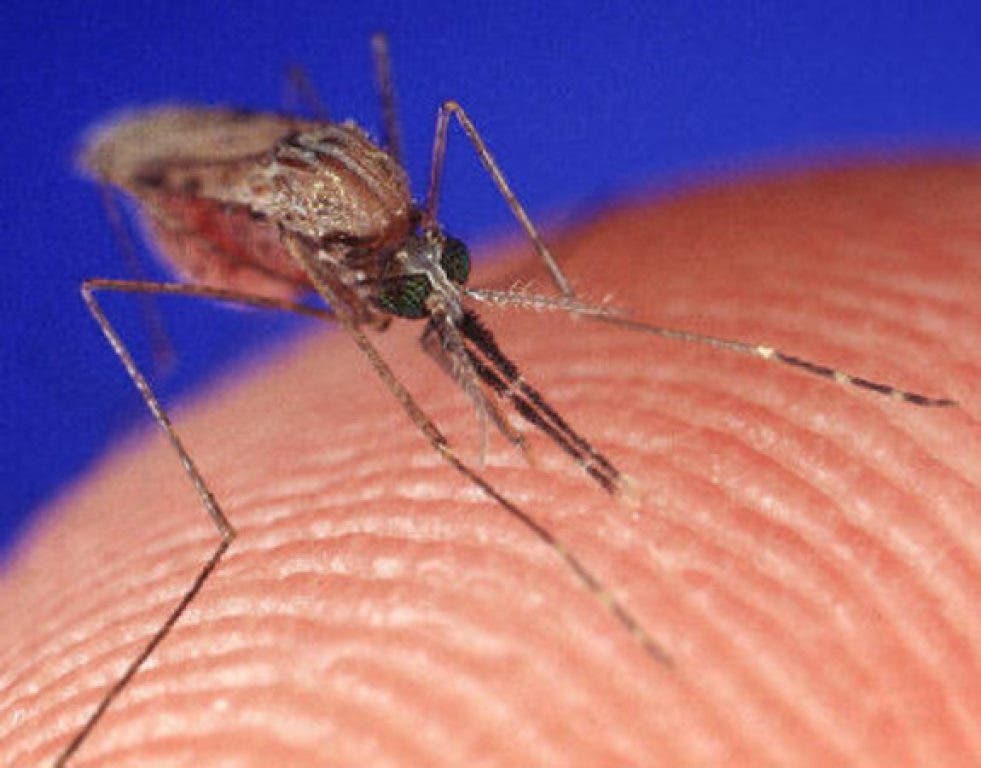
With the rainy season finally starting in our area, Hillsborough County is letting residents know about what it is doing year-round to protect them from the dangers of mosquitoes. This week has been declared Mosquito Control Awareness Week by the American Mosquito Control Association.
The Hillsborough County Mosquito Control Unit provides mosquito control for the entire county, including the cities, using a fleet of vehicles including a helicopter, airboats, trucks and all-terrain vehicles to inspect for and fight mosquitoes.
Since the beginning of this year, the unit has responded to more than 1,800 requests for service by residents, and conducted more than 10,000 inspections by ground and 382 by air. It has sprayed more than 205,000 acres with its trucks for a total of 154 missions, and more than 2,000 acres with its helicopter. It has captured more than 321,000 mosquitoes with its mosquito surveillance traps.
Find out what's happening in Tampafor free with the latest updates from Patch.
Residents can also make a big difference in the number of mosquitoes around their homes. Try these 10 mosquito-fighting tips from Hillsborough County Mosquito Control:
1. Prevent your swimming pool from becoming a breeding ground. If you aren’t using your swimming pool, put a cover over it. Make sure the cover doesn’t sag and hold pools of rainwater, which can also provide a breeding ground. Another option is to stock the pool with fish, which will eat the mosquito larvae and prevent them from hatching. Gambusia, or mosquito fish, are available to residents from Mosquito Control staff by calling 813-635-5400.
Find out what's happening in Tampafor free with the latest updates from Patch.
2. Regulrly rinse bromeliad plants with a garden hose. Mosquito larvae need water to grow and evolve, and bromeliads are an excellent host. The average bromeliad can be expected to produce a hundred mosquitoes per year. That may not seem like much, but if you have 10 or 20 plants in your yard, that’s several thousand mosquitoes.
3. Protect your children, especially at night. Sweaty children playing outdoors at night are like a glowing beacon to mosquitoes. Protect your children from irritating bites and the possibility of mosquito-borne illnesses by ensuring they cover exposed skin and wear an insect repellent containing DEET.
4. Clean your rain gutters. Rain gutters can get clogged with leaves and debris, which impede the flow of water. Not only is that bad for your roof; it also creates an ideal habitat for mosquito larvae, which need water to grow into adults.
5. Take special precautions at dusk. Dusk is a mosquito’s favorite time to fly and bite. A good onshore breeze will keep the mosquitoes at bay, but if you haven’t got one, a portable fan will do the trick. Mosquitoes aren’t strong flyers, and air currents moving past you will keep the mosquitoes moving, too.
6. Wear long sleeves and insect repellent with DEET. Take special precautions in high-mosquito areas. Use head nets, long sleeves and long pants if you venture into areas with high mosquito populations, such as salt marshes.
7. Take special precautions when a warning is in effect. If there is a mosquito-borne disease warning in effect, stay inside during the evening, when mosquitoes are active.
8. Make sure window and door screens are "bug tight." Check your screens periodically to make sure there are no holes, and replace worn-out screens.
9. Get rid of mosquito-breeding containers. Destroy or dispose of tin cans, old tires, buckets, unused plastic swimming pools or other containers that collect and hold water. Do not allow water to accumulate in the saucers of flowerpots, cemetery urns or in pet dishes for more than two days.
10. Prevent puddles in your yard. Irrigate lawns and gardens carefully to get rid of water from standing for several days.
If you have tried these tips and are still having a mosquito problem around your home, call the county’s Mosquito Control and Aquatic Weed Unit at 813-635-5400. They offer free on-site inspections to give suggestions and may schedule treatment if necessary.
Get more local news delivered straight to your inbox. Sign up for free Patch newsletters and alerts.