Community Corner
Blood Moon and Lunar Eclipse: Will Tampa Bay See It?
The Oct. 8, 2014, eclipse, the second in the lunar tetrad, is also called a hunter's moon.


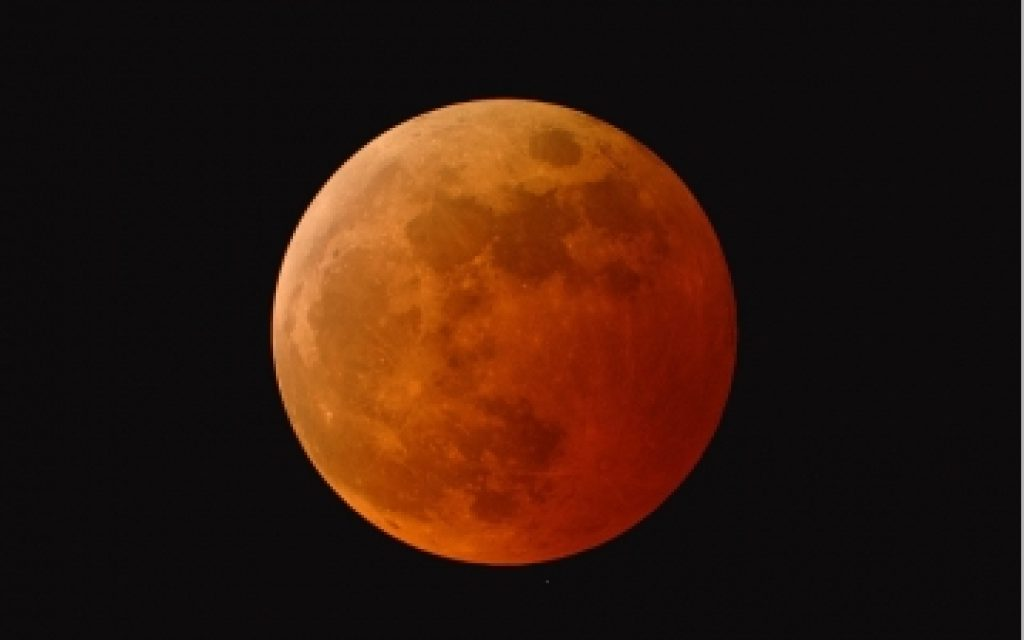
Tampa Bay weather conditions should cooperate for those wanting to catch the second of the year’s four total lunar eclipses – creating what is often called a “ blood moon” – which will occur just before sunrise Wednesday, Oct. 8.
The eclipse is the Northern Hemisphere’s hunter’s moon – the name for the full moon after the harvest moon, says EarthSky.org, and the show is often phenomenal.
Find out what's happening in Tampafor free with the latest updates from Patch.
During the sky-watching buzz leading up to the total lunar eclipse in April 2014, the term lunar tetrad was coined to name the four eclipses in a row, the organization says. Each eclipse is separated from the other by six lunar months (six full moons).
While the eclipse and the rising sun can’t happen at the same time – an effect called a “selenelion,” the Earth’s atmosphere gives the appearance of both the sun and moon above the horizon, says CBS News. This allows people on Earth to see the sun for several extra minutes before it actually has risen and the moon for several extra minutes after it has set.
Find out what's happening in Tampafor free with the latest updates from Patch.
When to Watch
Early risers can catch the lunar eclipse as it begins around 4:17 a.m. in the Tampa area; the maximum eclipse should take place around 6:55 a.m.
Plug your town into this handy eclipse calculator to find details on when to watch in your area.
Local Forecast
The National Weather Service is calling for partly cloudy skies in the overnight hours Tuesday with mostly sunny skies on Wednesday. Temperatures into the early morning hours of Wednesday should only drop to about 70 degrees, so it should make for comfortable sky viewing. While there is a chance for rain on Tuesday, forecasters expect it to clear out long before the nighttime hours.
Why the Eerie Name?
According to EarthSky, a full moon almost always takes on a copper hue during a total lunar eclipse, caused by light dispersion from the Earth’s sunrises and sunsets.
“Thus the term blood moon can be and probably is applied to any and all total lunar eclipses,” EarthSky reports.
Photo Credit: The April 2014 so-called blood moon from Space.com
Get more local news delivered straight to your inbox. Sign up for free Patch newsletters and alerts.