Community Corner
Desperate For Kidney Transplant, Tampa Man Takes To Social Media
A Tampa man with advanced kidney disease has taken to social media in the hopes of finding a life-saving kidney donor.


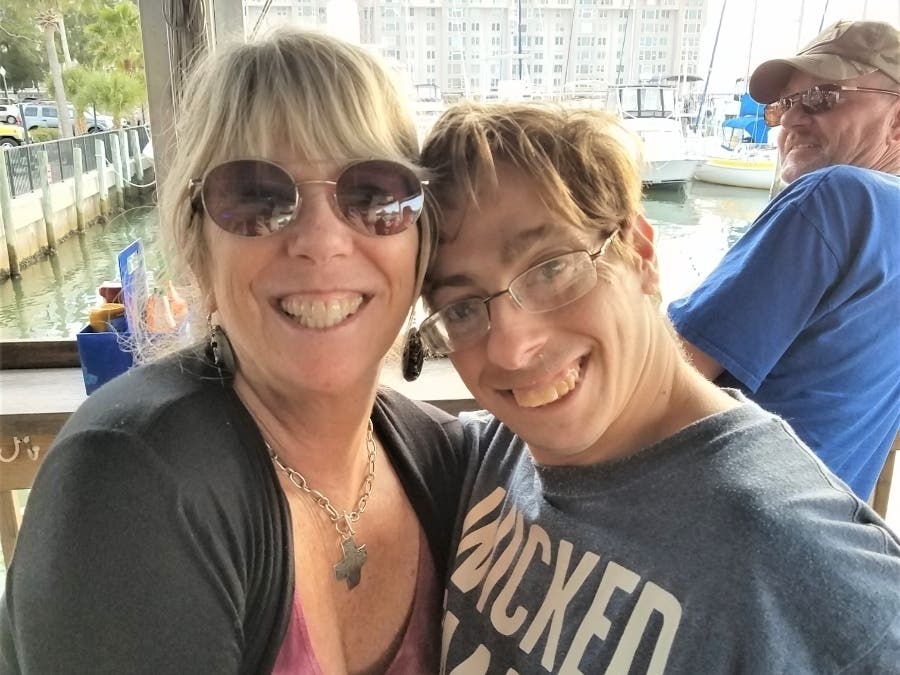
TAMPA, FL — A Tampa man with advanced kidney disease has taken to social media in the hopes of finding a life-saving kidney donor.
Joshua Tannen was just 12 years old when he was diagnosed with renal failure. Now, at the age of 31, Tannen is desperately seeking someone who willing to give up one of his or her kidneys, so he can live a normal life.
"I am trying to be optimistic," said Tannen who spends a major portion of his days hooked up to a dialysis machine. " I received my first kidney transplant from my mom in 2002 and I'm desperately waiting for another hero. I have been on the waiting list for eight years. Dialysis is grueling and it takes its toll. It is my life support system and I rely on it to survive."
Find out what's happening in Tampafor free with the latest updates from Patch.
His dependence on the dialysis machine prevents him from working, socializing and generally enjoying life.
"My dad was tested and was not compatible to donate to me or be a part of the pair kidney exchange," said Tannen. "I have no other family members or friends that have offered to test."
Find out what's happening in Tampafor free with the latest updates from Patch.
Tannen isn't alone. According to the Living Kidney Donor Network, more than 93,000 people are on the waiting list to receive kidney transplants. However, the wait for a deceased donor is about five years, and in some states, it is closer to 10 years.
“We’ve got more than 5,000 Floridians on the national organ transplant waiting list,” said Betsy Edwards, public affairs project manager for LifeLink of Florida.
An increasing number of people on the list, like Tannen, are reaching out to the community to find a living kidney donor.
After performing more than 1,000 living kidney donor transplants, Tampa General Hospital's Living Kidney Donor program is now the No. 2 transplant center in the state.
“There’s a huge need for donors,” said Dr. Victor Bowers, executive director of the Tampa General Hospital Abdominal Transplant Program. “We’re still fortunate. Our waiting lists here are two three and four years, but in some parts of the country they are years longer.”
According to Bowers, living kidney donation provides several advantages over a transplant from a deceased donor. The most important is a shorter waiting time for an organ.
Additionally, there is less chance of rejection and a greater chance of long-term success because the kidney can be transplanted immediately. It, therefore, goes without a blood supply for only a short time while a kidney from someone who died may be stored for several hours before it's transplanted.
During a living donor kidney transplant, surgeons remove a kidney from a healthy living person and place the healthy kidney into the recipient. Afterward, both the living organ donor and the recipient can lead normal, active lives.
TGH's living donor kidney transplant program allows friends, relatives and even an anonymous person to donate a kidney to help someone in need. TGH has accepted kidney donations from spouses, friends, co-workers, acquaintances and anonymous volunteers in a range of ages.
Bowers said donors don’t need to be biologically related to the recipient to have an excellent result because medical advances have produced effective medications to prevent rejection.
Surgeons at Tampa General Hospital have been transplanting kidneys from living donors since 1974. About 20 percent of TGH's annual transplants are from living donors.
Tannen noted that donors must be 18 years old, have a body mass index of less than 35 and be mentally and physically fit. Donors cannot have uncontrolled high blood pressure, diabetes, cancer, hepatitis or infectious diseases.
"My insurance only covers U.S. citizens or permanent residents of the United States," Tannen said. However, he noted that all medical costs are covered for the donor.
To become a living kidney donor, fill out the form on the TGH website.
Get more local news delivered straight to your inbox. Sign up for free Patch newsletters and alerts.