Crime & Safety
FBI Director James Comey Won’t Say Orlando Shooter’s Name
James Comey said he didn't want to give the shooter any more publicity.


Washington, D.C. — What motivated a 29-year-old man to open fire in a crowded Orlando nightclub Sunday morning, perpetrating the biggest mass shooting in U.S. history, remains a confusing mystery, FBI Director James Comey said Monday.
Throughout Monday’s press conference, Comey refused to say the shooter’s name, explaining he didn’t want to give into “some twisted notion of fame or glory.”
Comey did provide an update on where the federal terrorism investigation into Omar Mateen’s actions stands. There are “strong indications of radicalization by this killer,” Comey said. Just what radical direction he may have favored, however, is one of the more confusing mysteries, he added.
Find out what's happening in Tampafor free with the latest updates from Patch.
Mateen, Comfey said, placed three phone calls to 911 during his rampage in the Pulse Orlando Night Club & Ultra Lounge that would ultimately end in the death of 50 people, including himself, and the injury of 53 more.
See Also:
Find out what's happening in Tampafor free with the latest updates from Patch.
- Latest: Officials Begin Identifying 50 People Killed In Orlando Mass Shooting
- Rumors Of Multiple Shooters In Orlando Massacre Untrue: Cops
- Orlando Shooter Omar Mateen: What We Know
Mateen hung up after placing the first call around 2:30 a.m. Sunday, Comfey said. He spoke with the 911 operator briefly during a second call. The third call was a return call placed by the operator back to the shooter’s phone.
During those three calls, Mateen pledged allegiance to the Islamic State’s leader. He also expressed solidarity with the Boston Marathon bombers and a suicide bomber. Neither of the latter were associated with the Islamic State; they were opponents.
Those confusing declarations remain under scrutiny as federal and local investigators try to gain a clearer picture of what motivated Sunday’s shooting.
“We’re spending a tremendous amount of time trying to understand every moment … to understand his motives,” Comey said.
While some information is known, “confusion about motivations” exists, Comey said. The FBI is also trying to determine what role anti-gay bigotry played but is “highly confident that this killer was radicalized,” he added.
So far, the FBI has not found any indication the plot was directed from outside the United States, Comey said.
“We are looking for needles in a nationwide haystack,” Comey said. “We are also looking for pieces of hay that will one day become needles."
Comey also elaborated a bit on the FBI’s past investigations into Mateen. The Port St. Lucie, Florida, man first came to the FBI’s attention in 2013 when coworkers contacted they agency. The FBI followed him, monitored his communications and eventually confronted him.
Mateen admitted to making comments at the time, but said he was motivated to tell colleagues he had family ties to Al-Qaeda because he felt they were making fun of him because he was Muslim, Comey said.
Two months later, he was investigated again after a possible tie with a suicide bomber was found. That investigation was also closed with no connection found, Comey said.
It is unclear when more information in the case will become available. Comey closed his remarks by encouraging Americans to “not let fear become disabling.” Like other law enforcement officials, he urged residents to say something if they see something.
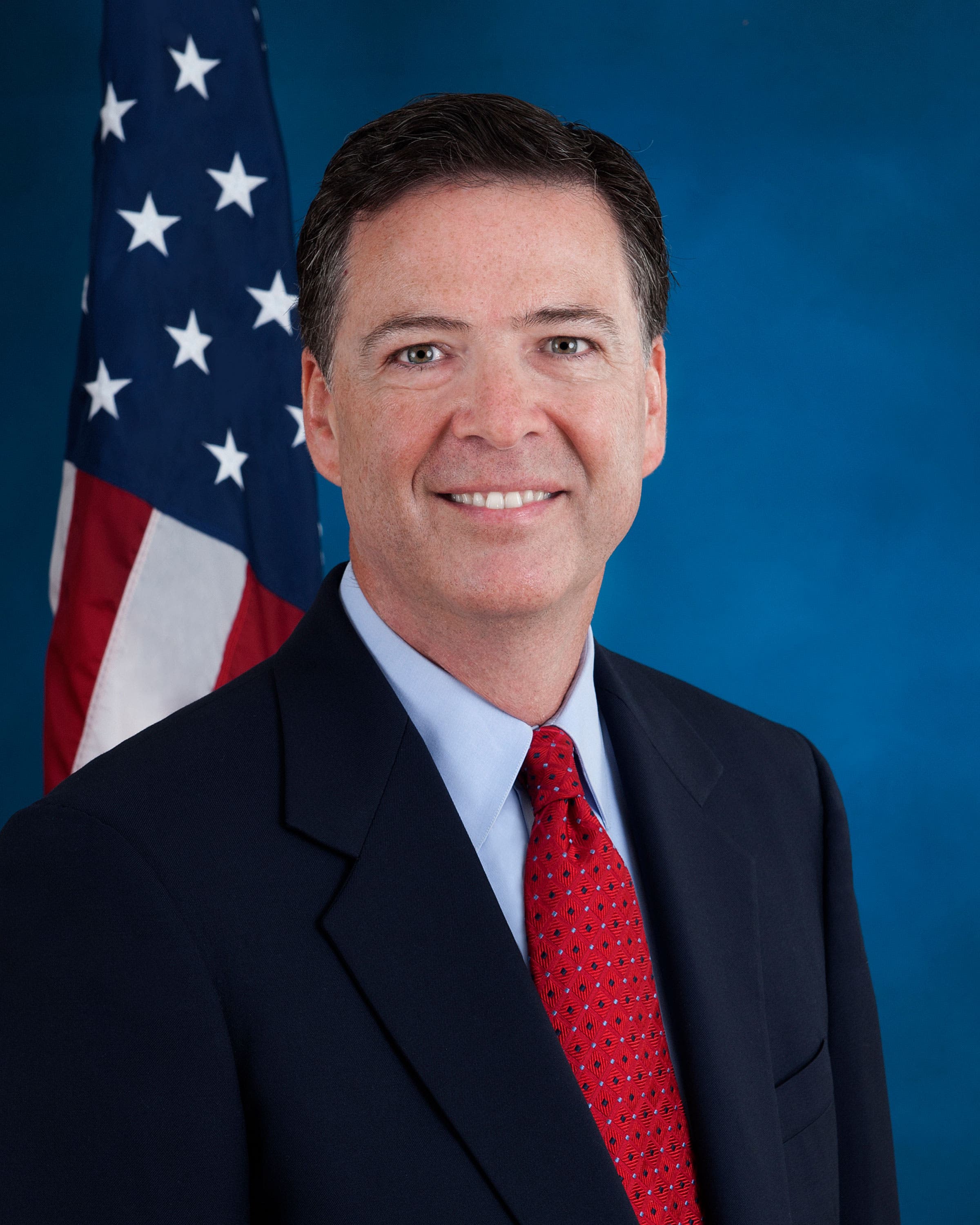
Photo courtesy of the FBI
Get more local news delivered straight to your inbox. Sign up for free Patch newsletters and alerts.