Home & Garden
Update: Vibrios Vulnificus Claims 3rd Life in Florida
The Hillsborough County case of the infection, commonly called 'flesh-eating bacteria,' involved exposure in Mississippi.


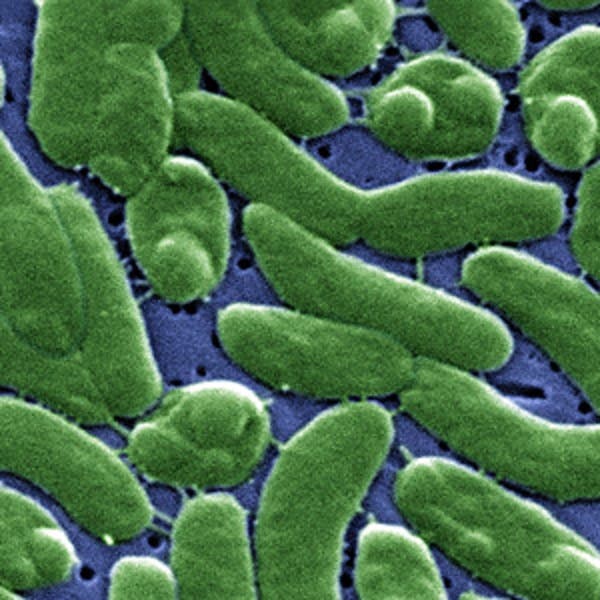
The number of vibrio vulnificus cases reported in Florida so far this year rose to nine last week with the latest incident resulting in death, according to the Florida Department of Health.
The newest case comes out of Hillsborough County, a first there this year. In 2014, Hillsborough had three confirmed cases, but no fatalities.
As of June 19, the state had confirmed three deaths due to the bacteria in 2015. The nine cases have primarily been reported along the west coast, but Pasco County has also witnessed one confirmed case in 2015 so far. The Pasco case did not result in death.
Find out what's happening in Tampafor free with the latest updates from Patch.
“Vibrio vulnificus is a bacterium that normally lives in warm seawater,” explained Mara Burger, press secretary for the Florida Department of Health. “Vibrio vulnificus infections are rare.”
Burger said people can get infected with Vibrio vulnificus in one of two ways – by eating contaminated raw shellfish and through exposure to contaminated water by swimming with open wounds.
Find out what's happening in Tampafor free with the latest updates from Patch.
The first two deaths logged in 2015 involved raw seafood exposure in one case and “multiple exposures prior to onset of symptoms,” in the other, Burger said. The third case involved “a Hillsborough County resident (who) acquired a Vibrio vulnificus infection due to seawater exposure while in Mississippi,” Burger told Patch. “Unfortunately, the patient did pass away.”
Burger stresses the bacteria doesn’t pose risks for normally healthy people who don’t “have open cuts or wounds” who swim in Florida’s salt or brackish waters.
See Also:
- Florida’s ‘Flesh-Eating’ Bacteria Myths Busted
- ‘Flesh-Eating’ Bacteria Warnings Go Up in Florida
- Florida’s Flesh-Eating Bacteria: What the State Says
“I want to stress to you that stories characterizing Vibrio vulnificus as ‘flesh-eating bacteria’ are misleading,” she said. “Vibrio vulnificus infections, if left untreated, can lead to a serious complication where the body’s affected soft tissues are damaged.”
It’s that soft tissue damage that gives rise to the flesh-eating moniker.
Most people who come into contact with the bacteria don’t show severe symptoms. Signs of exposure in normally healthy people include such symptoms as stomach cramps, diarrhea and vomiting.
The U.S. Centers for Disease Control and Prevention explains on its website that consumption of contaminated shellfish or open-wound exposure among immunocompromised people, “particularly those with chronic liver disease can infect the bloodstream, causing a severe and life-threatening illness characterized by fever and chills, decreased blood pressure, and blistering skin lesions.”
When open wounds come in contact with Vibrio vulnificus, the CDC says infections that arise “may lead to skin breakdown and ulceration.”
When that breakdown of skin tissue occurs, it’s caused by a serious complication, known as Necrotizing Fasciitis, Burger said. ”Necrotizing Fasciitis is a rare disease that can be caused by more than one type of bacteria,” she added. “These include group A Streptococcus (group A strep), Klebsiella, Clostridium, Escherichia coli, Staphylococcus aureus and Aeromonas hydrophila, among others. Group A strep is considered the most common cause of necrotizing fasciitis. Vibrio vulnificus and Necrotizing Fasciitis are not one in the same.”
The county breakdown of Vibrio vulnificus cases logged this year so far is as follows:
- Brevard – 1
- Broward 2
- Duval – 1
- Hillsborough - 1
- Marion – 1
- Pasco – 1
- Santa Rosa – 1
- St. Lucie – 1
There were a number of reported cases in the Tampa Bay area in 2014, including three in Hillsborough, four in Pinellas, one in Pasco and two in Sarasota County. One of the people infected in Sarasota died, the state reported. A total of 32 cases and seven deaths were recorded in 2014.
To find out more about the bacteria and safety measures that can be taken, visit the Florida Department of Health online.
This story was updated at 12:43 p.m. June 23 with more information from the Florida Department of Health.
Image courtesy of the CDC
Get more local news delivered straight to your inbox. Sign up for free Patch newsletters and alerts.