Weather
Florida Winter Forecast 2019-2020 Released By NOAA
The National Oceanic and Atmospheric Administration has released its winter forecast for Florida — see what to expect.


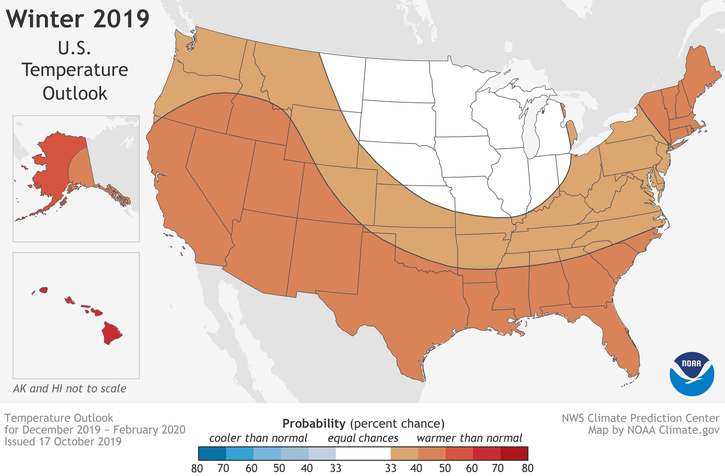
FLORIDA — Weather experts at the National Oceanic and Atmospheric Administration have released a winter forecast for 2019-20 that's predicting a warmer season for Florida with normal precipitation. In fact, its forecasters are predicting a warmer winter nationwide — not a single section of the United States is expected to have colder-than-usual temperatures this winter, according to the agency.
But before you pack away your jackets and UGGs, remember that even during a warmer winter in Florida, periods of cold and a bite in the air are still possible.
The government organization stays away from projecting seasonal snowfall accumulations, stating that snow forecasts are generally impossible to predict until the week before the snow arrives.
Find out what's happening in Tampafor free with the latest updates from Patch.
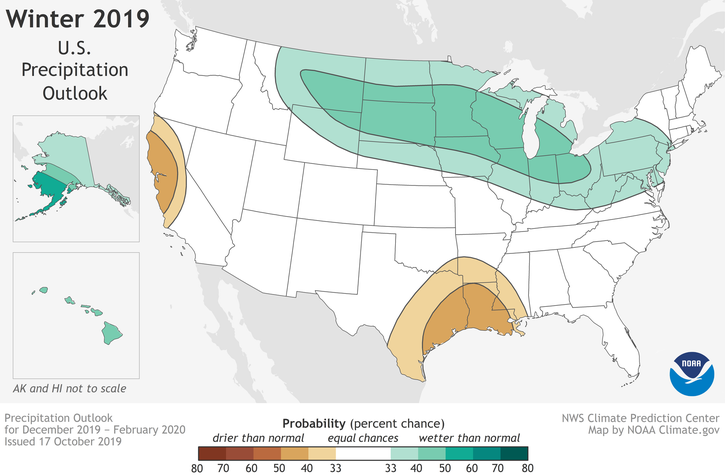
With milder temperatures, forecasters are anticipating more precipitation for some areas.
"Wetter than average conditions are most likely in Alaska and Hawaii this winter, along with portions of the Northern Plains, Upper Mississippi Valley, the Great Lakes and parts of the Mid-Atlantic and Northeast," the National Weather Service said in its 2019-20 winter forecast, which it released Thursday.
Find out what's happening in Tampafor free with the latest updates from Patch.
Drought conditions are likely to improve in the Southeast.
Comparing Winter Forecasts: Farmers' And Old Farmer's Almanacs
The National Oceanic and Atmospheric Administration isn't the only organization that's released a 2019-20 prediction, but consensus can be hard to find when it comes to weather. AccuWeather long-range forecaster Paul Pastelok says the Southeast is more likely to experience a wet couple of months.
Both the Farmers' Almanac and the Old Farmer's Almanac's devotees are ready for a balmy winter that the publishers say will be milder and drier than normal.
Both outfits use so-called "secret formulas" to predict the weather that they keep closely guarded, and only time — and winter — will tell if they are right.
— By Gus Saltonstall and Deb Belt
Graphics courtesy of the National Oceanic and Atmospheric Administration.
Get more local news delivered straight to your inbox. Sign up for free Patch newsletters and alerts.