Weather
Floridians Pay No Taxes On Hurricane Supplies Through Thursday
Through Thursday, June 4, residents can buy select disaster -preparedness items tax-free.


ACROSS FLORIDA — Now that Floridians are fully stocked up on toilet papers and paper towels for the coronavirus pandemic, they're being encouraged to squirrel away items for the hurricane season.
The hurricane season began Monday and runs through Nov. 30 with the peak months occurring from August to October.
To help Florida residents prepared, through Thursday, June 4, residents can buy select disaster -preparedness items tax-free.
Find out what's happening in Tampafor free with the latest updates from Patch.
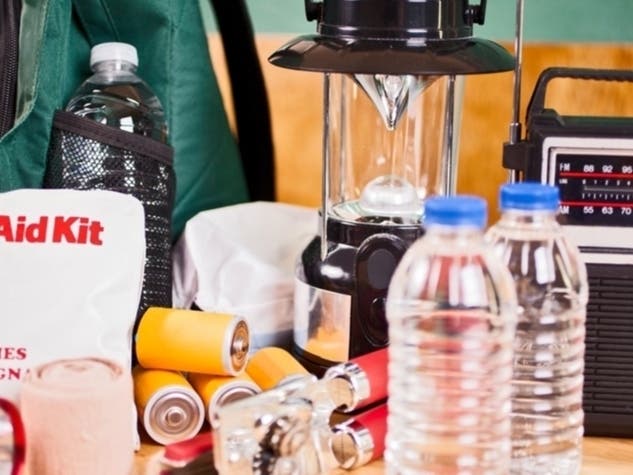
During tax-free week, supplies such as flashlights, tarps, batteries and portable generators can be purchased minus Florida sales tax.
In the wake of recent hurricanes Michael, Irma and Matthew, state leaders have changed their definition of preparedness. Residents are advised to stock up on essentials for at least seven days and put together a disaster preparedness kit.
Find out what's happening in Tampafor free with the latest updates from Patch.
Tax-free items include:
- reusable ice
- portable, self-powered candles, flashlights and lanterns
- gas or diesel fuel containers
- batteries (rechargeable and non-rechargeable)
- Bungee cords
- ground anchor systems
- battery-powered or crank weather band and two-way radios
- ratchet straps
- tarpaulins
- tie-down kits
- Visqueen, plastic sheeting, plastic drop cloths and other waterproof sheeting
- coolers and ice chests
- portable generators selling for $750 or less
The sales tax holiday does not apply to the rental or repair of qualifying items. Additionally, the sales tax holiday does not extend to sales in a theme park, entertainment complex, public lodging establishment or airport.
National Oceanic and Atmospheric Administration weather researchers believe there will be more hurricanes in 2020 than during an average hurricane season.
"NOAA's outlook for the 2020 Atlantic hurricane season indicates that an above-normal season is most likely, with a possibility of that season being extremely active," NOAA acting Administrator Neil Jacobs said.
On average, the Atlantic hurricane season produces 12 named storms, of which six become hurricanes, including three major hurricanes.
NOAA predicts with 70 percent certainty there will be 13 to 19 named storms with top winds of at least 39 mph this year. Of those, six to 10 are expected to become hurricanes with top winds of at least 74 mph, including three to six major hurricanes of Category 3 and higher with top winds of at least 111 mph, according to Jacobs.
This year's list of Atlantic storm names includes Bertha, Cristobal, Dolly, Edouard, Fay, Gonzalo, Hanna, Isaias, Josephine, Kyle, Laura, Marco, Nana, Omar, Paulette, Rene, Sally, Teddy, Vicky and Wilfred.
The 2019 hurricane season produced 18 named storms, including six hurricanes of which three were "major" (Category 3, 4 or 5), according to National Oceanic and Atmospheric Administration.
The three major hurricanes last season were Dorian, Humberto and Lorenzo. Hurricane Dorian is tied with three other hurricanes — the 1935 Labor Day Hurricane, 1988's Hurricane Gilbert and 2005's Hurricane Wilma — as the second strongest hurricane on record in the Atlantic in terms of wind (185 mph). In all, four storms made landfall in the U.S. during the 2019 season: Barry, Dorian, Imelda and Nestor.
Related stories:
Get more local news delivered straight to your inbox. Sign up for free Patch newsletters and alerts.