Weather
Sahara Desert Dust Plume Expected To Reach Florida Saturday
A dust plume from the Sahara Desert is likely to reach Florida this weekend and may cause problems for people with breathing disorders.


FLORIDA — A mass of dry, dusty air could reach Florida this weekend after traveling 5,000 miles from the Sahara Desert in Africa, said the National Oceanic and Atmospheric Administration.
The dust plume is expected to reach Florida on Saturday and then could head to other portions of the Southeast.
Dr. Jason Dunion, a University of Miami hurricane researcher working with NOAA's Atlantic Oceanographic and Meteorological Laboratory, has been tracking the dust plume — called the Saharan Air Layer — which forms over the Sahara Desert in late spring, summer and early fall and then moves into the tropical Atlantic.
Find out what's happening in Tampafor free with the latest updates from Patch.
"SAL outbreaks can form when ripples in the lower to middle atmosphere, called tropical waves, track along the southern edge of the Sahara Desert and loft vast amounts of dust into the atmosphere," Dunion said. "As the SAL crosses the Atlantic, it usually occupies a 2- to 2½-mile-thick layer of the atmosphere with its base starting about a mile above the surface.
Dunion said the reason NOAA keeps a close eye on the dust plume by satellite is because the warmth, dryness and strong winds associated with the Saharan Air Layer have been shown to suppress tropical cyclone formation and intensification, which is a good thing for the states along the Eastern Seaboard and Gulf of Mexico with the Atlantic hurricane season set to officially begin June 1.
Find out what's happening in Tampafor free with the latest updates from Patch.
"This information allows forecasters and scientists to continuously monitor the evolution of SAL outbreaks and their effects on the meteorology and climatology of the tropical North Atlantic," he said.
"Thanks to recent advancements in satellite technology, we can better monitor and understand the SAL, from its formation over Africa to its interactions with tropical cyclones to its impacts on weather along the U.S. Gulf coast and Florida," Dunion said.
Dunion said the information NOAA gathers with satellites and NOAA aircraft research missions allows NOAA to better understand how the Sahara dust plumes suppress tropical cyclones and helps researchers better assess what can be expected this hurricane season. 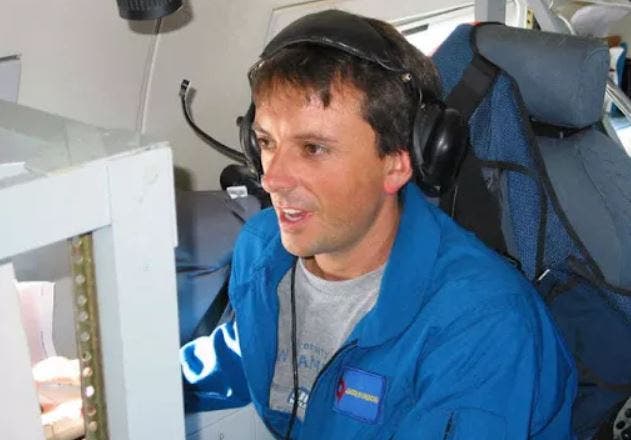
"Forecasters and researchers at NOAA routinely use satellite data to detect these aspects of the SAL and some of this information is ingested into models to improve forecasts," he said.
The dusty air has about 50 percent less moisture than the typical tropical atmosphere and creates downdrafts that can weaken tropical cyclones that are developing.
Additionally, strong winds that are associated with the Saharan dust plume can significantly increase the vertical wind shear, which also prevents the formation of tropical storms.
And, finally, the Saharan Air Layer's warmth can suppress the development of clouds needed for tropical cyclones to develop.
Why Floridians Should Care
Depending on how must dust the plume is carrying, the plume could create poor air quality in some areas.
People who have certain types of breathing problems can experience difficulty. Those in the path of the plume can experience eye, nose and throat irritation due to the fine dust particles in the air.
On the other hand, the dust plume tends to create vibrant, colorful sunrises and sunsets as the light bounces off the dust particles.
Florida photographers might want to have their cameras ready at sunrise and sunset Saturday.
Get more local news delivered straight to your inbox. Sign up for free Patch newsletters and alerts.