Neighbor News
Why Movement Joints Are Critical for Long-Lasting Tile Installations in Tampa
Many tile failures aren't caused by the tile itself. Properly planned movement joints help tile installations adapt to normal expansion.

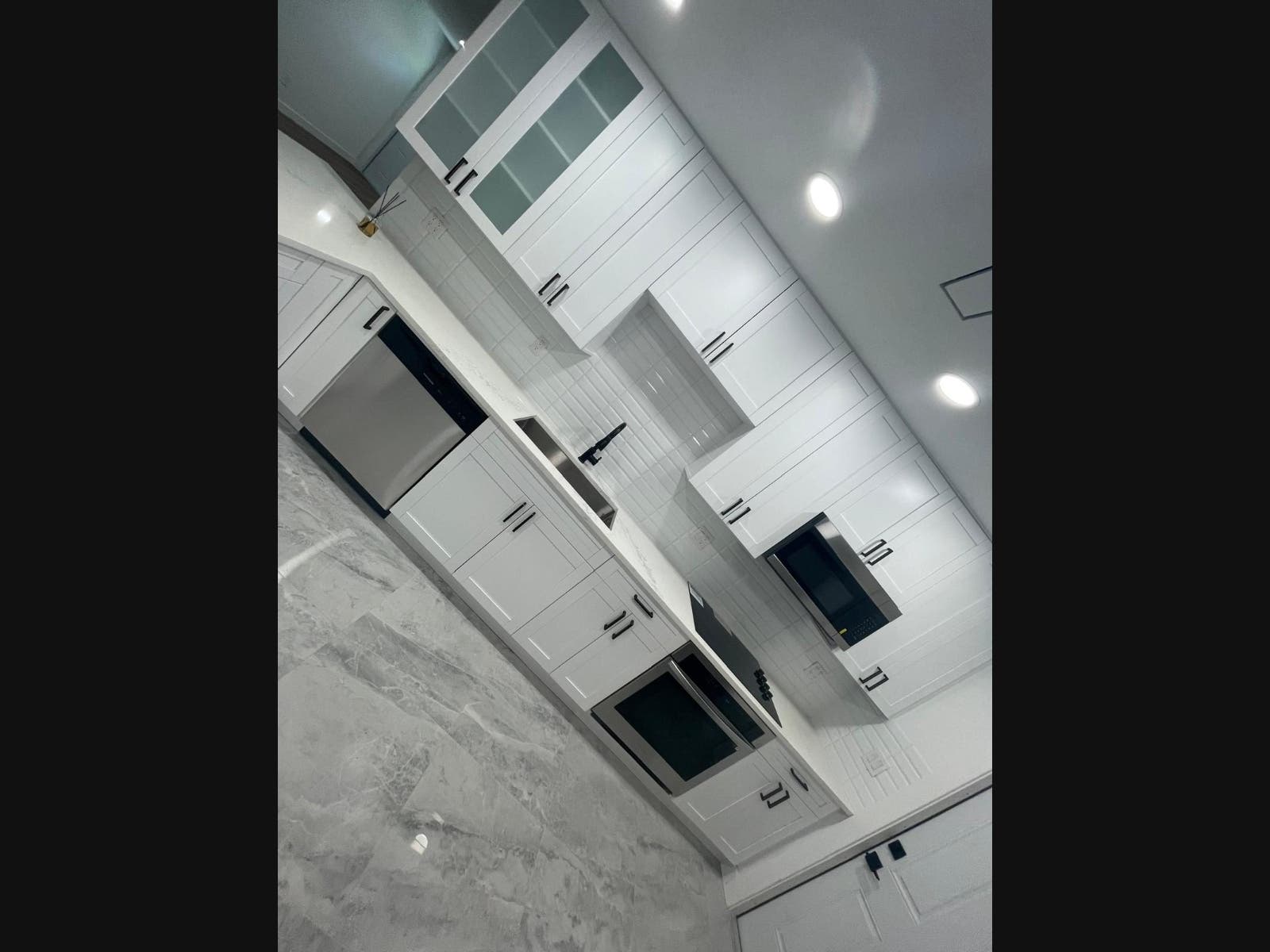
Why Tile Needs Room to Move
When homeowners picture a new tile floor, they usually focus on the finished appearance—straight grout lines, clean edges, and a beautiful design. What often goes unnoticed is one of the smallest details that can have one of the biggest impacts on how long the installation lasts.
Tile, concrete, and the structure of a home naturally expand and contract over time. In Florida, where temperatures, humidity, and moisture levels constantly change, these movements are completely normal. The flooring system must accommodate them without placing unnecessary stress on the tile itself.
This is where movement joints become important.
Find out what's happening in Tampafor free with the latest updates from Patch.
Rather than locking the entire tile installation into one rigid surface, movement joints provide carefully planned locations where small amounts of natural movement can occur. When installed correctly, they help reduce stress that might otherwise contribute to cracked grout, loose tile, or unnecessary pressure within the flooring system.
Many homeowners never notice movement joints because they are designed to blend naturally into the finished installation. However, experienced tile contractors begin thinking about them long before the first tile is installed.
Find out what's happening in Tampafor free with the latest updates from Patch.
Planning starts with evaluating the size of the room, the location and location of doorways, windows, transitions, and other structural features that may influence how the floor responds to normal movement over time.
Just as important is preparing the concrete before tile installation begins. A clean, properly prepared substrate creates a more consistent foundation for the entire installation. Proper floor grinding in Tampa helps remove old thinset, smooth surface irregularities, and prepare the slab before the tile layout is established.
How Florida Conditions Affect Tile Installations Over Time
One of the biggest misconceptions about tile flooring is that concrete slabs remain completely unchanged after a home is built. In reality, every home experiences small amounts of natural movement throughout its lifetime. Most of these changes are gradual and completely normal, but they still influence how a tile installation performs over the years.
In the Tampa area, humidity, seasonal rainfall, temperature fluctuations, and normal structural settling all play a role. While homeowners may never notice these changes, experienced tile contractors understand that the flooring system should be designed with them in mind from the very beginning.
Large-format tile has made careful planning even more important. Because each tile covers a greater surface area, stresses that develop within the installation may become more noticeable if movement has not been properly considered during the planning stage.
Movement joints are only one part of a successful installation. They work together with proper substrate preparation, accurate layout planning, appropriate mortar selection, and careful installation techniques. When every step is performed correctly, the finished floor has a stronger foundation for long-term performance.
Another factor homeowners rarely consider is the size and shape of the room. Long hallways, open-concept living areas, and large continuous tile installations may require additional planning compared with smaller rooms. Every project should be evaluated individually rather than following the same approach every time.
Professional tile contractors also pay close attention to transitions where tile meets other flooring materials or changes direction between rooms. These locations often require additional planning because different materials can respond differently to everyday environmental conditions.
The goal is never simply to finish the installation as quickly as possible. The objective is to create a flooring system that not only looks beautiful on the day it is completed but continues performing well through years of normal use in Florida's demanding climate.
Why We Never Treat Every Tile Project the Same
After installing tile in homes throughout the Tampa Bay area, one lesson has remained consistent: no two projects are exactly alike.
Two homes may have similar floor plans, use the same tile, and even be built during the same year, yet the installation strategy can still be different. Previous renovations, the condition of the concrete slab, room dimensions, moisture exposure, and the overall layout all influence how the project should be approached.
That's why we never arrive expecting to follow the same process on every job. We spend time evaluating the existing conditions first, then build an installation plan that fits that specific home. Taking a little longer during the planning stage often helps avoid much larger problems after the project has been completed.
Homeowners usually remember the finished tile because that's what they see every day. We also remember everything underneath it—the preparation, the planning, and the small details that help the installation perform well for years instead of simply looking good on day one.
Questions Every Homeowner Should Ask Before Tile Installation Begins
Choosing the right tile is only one part of planning a successful remodeling project. Before installation begins, homeowners should also understand how the floor will be prepared and how the installation itself will be planned.
A good question to ask is whether the existing concrete slab will be inspected after demolition. Every home has a different history, and previous repairs, surface irregularities, or leftover installation materials may influence how the new tile should be installed.
It is also worth asking how the layout will be planned before the first tile is set. Careful layout planning helps create balanced grout joints, cleaner transitions, and a more professional finished appearance throughout the room.
For larger spaces, homeowners can also ask how natural structural movement will be considered during the planning process. Every project has different dimensions and conditions, so understanding the installation strategy before work begins helps set realistic expectations and creates greater confidence throughout the remodeling process.
Open communication between the homeowner and contractor often leads to better results. When expectations, preparation methods, and installation details are discussed before work begins, the entire project tends to move more smoothly from demolition to the finished floor.
Where Movement Joints Are Commonly Planned During Tile Installation
Movement joints are not placed randomly. Their location is typically considered during the planning stage so they work with the overall layout rather than interrupt it.
Depending on the design of the home, contractors may evaluate room size, transitions between spaces, doorways, perimeter areas, and changes in the structure when developing the installation plan. Every project is different, which is why professional planning is based on the specific conditions of the home instead of following exactly the same approach every time.
Bathrooms, kitchens, open-concept living spaces, and large-format tile installations can all present different layout considerations. Features such as shower entrances, kitchen islands, or long hallways may also influence how the installation is planned before the first tile is set.
Most homeowners never notice these details after the project is finished because they are designed to blend naturally into the overall installation. However, careful planning behind the scenes often contributes to a cleaner appearance and a flooring system that performs more consistently over time.
Taking the time to evaluate these factors before installation begins allows contractors to create a plan that fits the space, supports the finished design, and helps provide long-term performance for the tile installation.
FINAL THOUGHTSCareful Planning Helps Create Tile Floors Built to Last
A successful tile installation is the result of many decisions working together—not just the tile that homeowners choose. Surface preparation, layout planning, material selection, and accounting for normal structural movement all contribute to the long-term performance of the finished floor.
For homeowners in Tampa, understanding these details before a project begins can make the remodeling process much more predictable. Asking questions about preparation, installation methods, and planning helps ensure expectations are clear from the very beginning.
One of the biggest differences between an average installation and a professionally executed one is the attention given to details that are rarely visible after the project is complete. A properly prepared substrate, a well-planned layout, and an installation designed for the specific conditions of the home all work together to support long-term durability.
Every home presents its own unique challenges. Rather than applying the same approach to every project, experienced contractors evaluate the existing conditions, develop an installation plan based on those findings, and make adjustments where necessary. That level of preparation helps produce a finished floor that not only looks beautiful but also performs well for years to come.
The best tile installations are rarely defined by a single material or design choice. They are built through thoughtful planning, skilled craftsmanship, and careful attention to every stage of the installation process. Those steps may not always be visible once the project is finished, but they often make the greatest difference in the quality and longevity of the final result.