Health & Fitness
Tampa’s Mosquito Problem Among Worst In Nation
Orkin has released its annual rankings of worst cities for mosquitoes. Tampa didn't fare well.


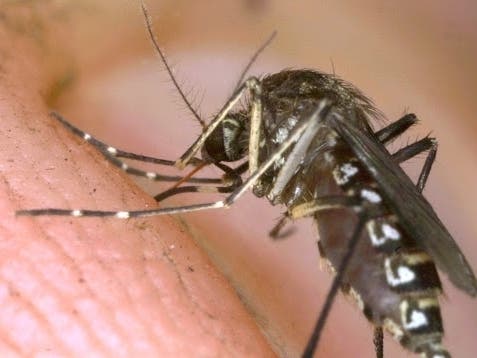
TAMPA, FL -- They’re the menace at every cookout. The uninvited guest who arrives early and refuses to leave. We’re talking, of course, about mosquitoes, the flying bloodsuckers whose bites are as annoying as they are itchy.
Worst of all, Tampa is listed among the metro areas with the worst mosquito problem in the nation by the pest control company Orkin. The company released its annual rankings Monday. The findings were based on the number of mosquito customers served from April 1, 2018, to March 31, 2019.
Tampa ranked 18th worst in the country, just behind Nashville and ahead of Indianapolis For the sixth consecutive year, Atlanta earned the miserable honor of worst cities for mosquitoes, followed by New York and Washington, D.C.
Find out what's happening in Tampafor free with the latest updates from Patch.
Orkin’s Top 50 Mosquito Cities list:
- Atlanta
- New York
- Washington, D.C.
- Chicago
- Houston
- Dallas-Ft. Worth, Texas
- Detroit
- Philadelphia
- Charlotte, N.C.
- Raleigh-Durham, N.C.
- Phoenix
- Los Angeles
- Boston
- Miami
- Baltimore
- Richmond, Va.
- Nashville, Tenn.
- Tampa
- Indianapolis
- St. Louis
- Norfolk, Va.
- Orlando
- Greenville, S.C.
- Denver
- Kansas City
- Tulsa, Okla.
- Minneapolis
- Albany, N.Y.
- Grand Rapids, Mich.
- Memphis
- Oklahoma City
- New Orleans
- Cleveland, Ohio
- Lafayette, La.
- Burlington, N.Y.
- Mobile, Ala.
- Milwaukee
- Austin, Texas
- Knoxville, Tenn.
- Cincinnati
- San Antonio, Texas
- West Palm Beach, Fla.
- Greensboro, N.C.
- Hartford, Conn.
- Savannah, Ga.
- Jacksonville, Fla.
- Baton Rouge, La.
- Amarillo, Texas
- Madison, Wis.
- Charleston, S.C.
Mosquito season begins when spring temperatures arrive, Orkin said. The pests are most active when temperatures climb above 80 degrees, with breeding season occurring July through September. Entomologist Mark Beavers noted in a news release that mosquitoes aren’t only annoying, they can be a major health threat.
Find out what's happening in Tampafor free with the latest updates from Patch.
“Mosquito-borne diseases such as West Nile virus, encephalitides, dengue, chikungunya and, for those who may remember, Zika, threaten the safety of humans and pets,” he said.
Federal health officials agree. According to the Centers for Disease Control and Prevention, mosquito bites can cause sickness or even death, though most are just a nuisance.
To prevent mosquito bites — and those irritating red bumps that inevitably follow — the CDC suggests using insect repellent that contains DEET, picaridin, ir3535, lemon eucalyptus oil, para-menthane-diol or 2-undecanone. Other options include wearing long sleeves and pants or using air-conditioning or window and door screens.
To prevent mosquitoes from laying eggs inside and outside your home, try to keep items from collecting standing water.
“Once a week, empty and scrub, turn over, cover or throw out containers that hold water,” the CDC said. This includes vases, pet water bowls, flowerpot saucers, discarded tires, buckets, pool covers, birdbaths, trash cans and rain barrels.
These steps can help reduce the mosquito population in and around homes. If you’re unable to seal off your home, the CDC offers up a less-than-glamorous tip: “Sleep under a mosquito bed net.”
Patch national staffer Dan Hampton contributed to this report.
Get more local news delivered straight to your inbox. Sign up for free Patch newsletters and alerts.