Crime & Safety
What A Stay-At-Home FL Coronavirus Order Could Look Like
California, New Jersey and New York have taken extreme measures, ordering everyone to stay home. What would that mean if done in Florida?


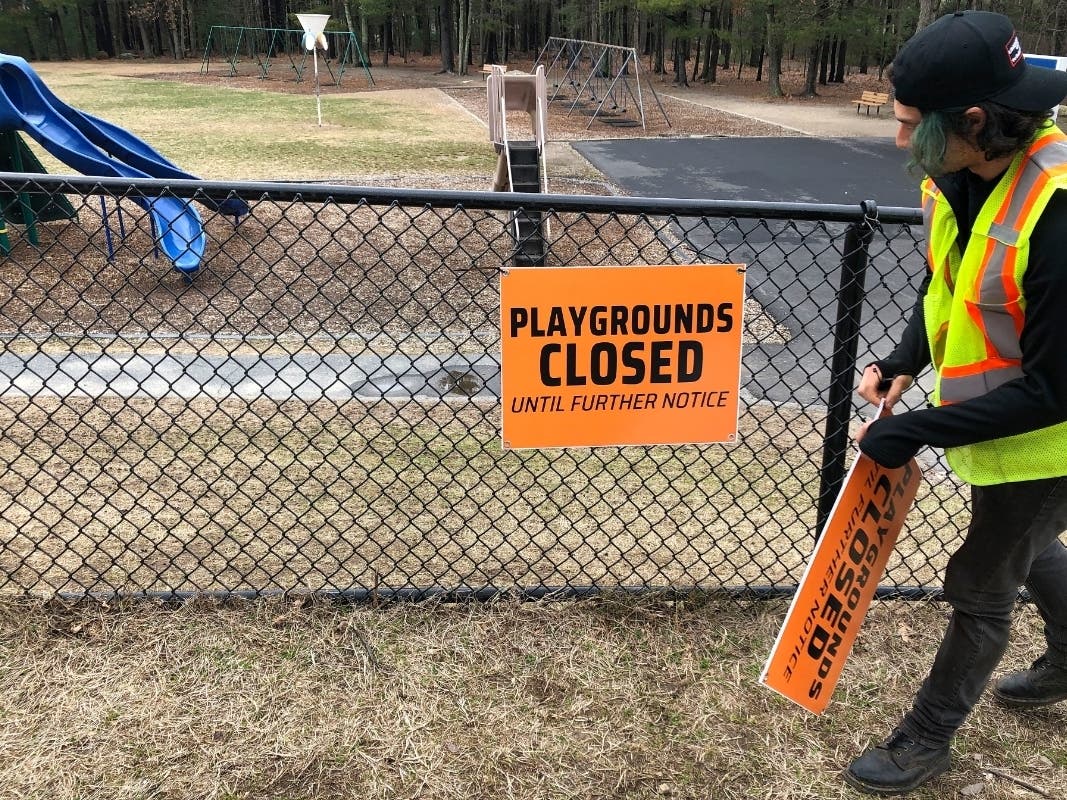
FLORIDA — In recent days, California, Illinois, New York and most recently New Jersey officials have ordered tens of million of residents to stay home in the most extreme measures taken yet to slow the spread of the new coronavirus. As of Sunday evening, Florida health officials reported 1,007 confirmed cases, along with 13 deaths.
Miami-Dade County has the most confirmed cases of any of Florida's 67 counties with 227 cases, followed by Broward County with 217 cases. Palm Beach County has 72 cases. Those three South Florida counties account for half of all Florida cases.
Hillsborough County had 58 cases as of Sunday, the most in the Tampa region, followed by Pinellas County with 38 cases. Lee County had 26 cases while Manatee County had 13. Sarasota county had 17 cases. Polk County and Pasco County each had 11 cases.
Find out what's happening in Tampafor free with the latest updates from Patch.
Florida Gov. Ron DeSantis opened a drive-through testing facility Sunday outside Hard Rock Stadium near Miami. He said he plans to offer as much testing as possible at locations throughout the state. Most people who are being approved for tests are either first responders or people 65 and older with symptoms of the virus, including shortness of breath, fever and a cough.
Don't miss local and statewide news about coronavirus developments and precautions. Sign up for Patch alerts and daily newsletters.
Find out what's happening in Tampafor free with the latest updates from Patch.
On March 14, the Florida Department of Education ordered all schools across the state to close for two weeks. The Hillsborough school district said it plans to reopen schools on Monday, March 30.
On Friday he issued an executive order mandating restaurants shut down in-house dining and offer only takeout and delivery for 30 days, and also lifted the ban on alcohol delivery by restaurants under certain conditions.
One day after calling South Florida the "epicenter" of the state's new coronavirus outbreak, Desantis ordered all beaches and non-essential businesses to close in Palm Beach and Broward counties.
County officials have ordered beaches closed in the past week, including those in Pasco and Pinellas counties.
Miami-Dade Mayor Carlos Gimenez on March 19 ordered people to stay off the Miami areas's world-famous beaches.
Following urging from a state lawmaker, Seminole Hard Rock Casino agreed to temporarily close its casinos in Tampa and Hollywood.
What would a stay-at-home order look like in Florida:
What is a stay-at-home order?
Usually government officials order residents to shelter in place during emergencies like storms or police activity. Residents are often required to stay at home for the duration of the event. Obviously, with a viral outbreak that could last months, the order may not be quite as comprehensive.
What's the point?
In this case, the idea of a stay-at-home order would be to enforce social distancing. Public health officials recommend residents avoid gatherings and maintain at least six feet between them, in an attempt to slow the spread of the coronavirus. That's why DeSantis, or mayors, have closed schools statewide, banned large gatherings and barred dine-in customers from restaurants in some areas.
Say they call a stay-at-home here. Could I get arrested if I violated it?
That would likely depend on DeSantis' order, but the California order is enforceable by law. When six San Francisco Bay Area counties ordered residents to shelter-in-place earlier this week, law enforcement agencies said they'd look to "educate people, not to make arrests." In Alameda County, officials explained that violating the order is a misdemeanor, punishable by fine or arrest, but the "intent is not for anyone to get in trouble."
Would that mean I wouldn't be able to get groceries?
Generally, residents are allowed to leave the house for "essential needs," which is defined as visits to grocery stores, banks, convenience stores, pharmacies, restaurants for delivery and pick up only, laundromats, skilled trades essential to maintaining the safety and sanitation of residences, hardware stores, medical service providers, first responders, transportation providers, government activities and essential social service providers and shelters."
The stay-at-home order in California has a number of exceptions:
- Gas stations
- Pharmacies
- Food: Grocery stores, farmers markets, food banks, convenience stores, take-out and delivery restaurants
- Banks
- Laundromats/laundry services
Essential government functions are still open. Currently in Florida many government offices are closed, but residents can still access government services online or by phone.
What about exercising or walking the dog?
California Gov. Gavin Newsom said that residents can still take their kids outside or walk their dogs, as long as they practice social distancing.
What's it like being locked-down long term?
It's still early, but the San Francisco Bay Area has been under a shelter-in-place order since Monday afternoon. For vox.com, resident Kelsey Piper wrote about her experience so far with the lockdown. She described last-minute visits with friends before the order went into effect and the psychological effects of being required to stay home.
"It's weird how much being locked down feels different from staying home voluntarily. We'd decided weeks ago we should avoid others, do our part in preventing this pandemic from overrunning hospitals. But now that it's required, it's stressful," Piper wrote.
She also described confusion over what businesses count as essential and more generally about what people can do to slow the spread of the virus.
"There's a sense of patriotism, of courage, of civic duty, but it's stifled and poorly directed," Piper continued. "We want to serve our country, but we don't know how. We want to save our neighbors, but we don't know how. On many of the most critical questions, the experts don't know either."
Follow our latest coronavirus coverage in Florida:
With reporting from Christopher Huffaker, D'Ann White and Paul Scicchitano, Patch Staff
Get more local news delivered straight to your inbox. Sign up for free Patch newsletters and alerts.