Neighbor News
Why Proper Tile Surface Preparation Matters More Than Most Tampa Homeowners Realize
A beautiful tile installation starts long before the first tile is set. Proper surface preparation helps create a stronger foundation.

Why the Condition Beneath Your Tile Matters More Than the Tile Itself
Most homeowners spend far more time choosing tile than thinking about what goes underneath it. They compare colors, patterns, grout options, and layouts, expecting those decisions to determine how the finished floor will look for years to come.
While those choices certainly matter, experienced tile contractors know that the success of an installation often depends on something homeowners rarely see—the condition of the surface beneath the tile.
After working on homes throughout Tampa Bay, we’ve found that many flooring problems don’t begin with the tile itself. Instead, they start with an improperly prepared substrate that was never corrected before installation began.
Find out what's happening in Tampafor free with the latest updates from Patch.
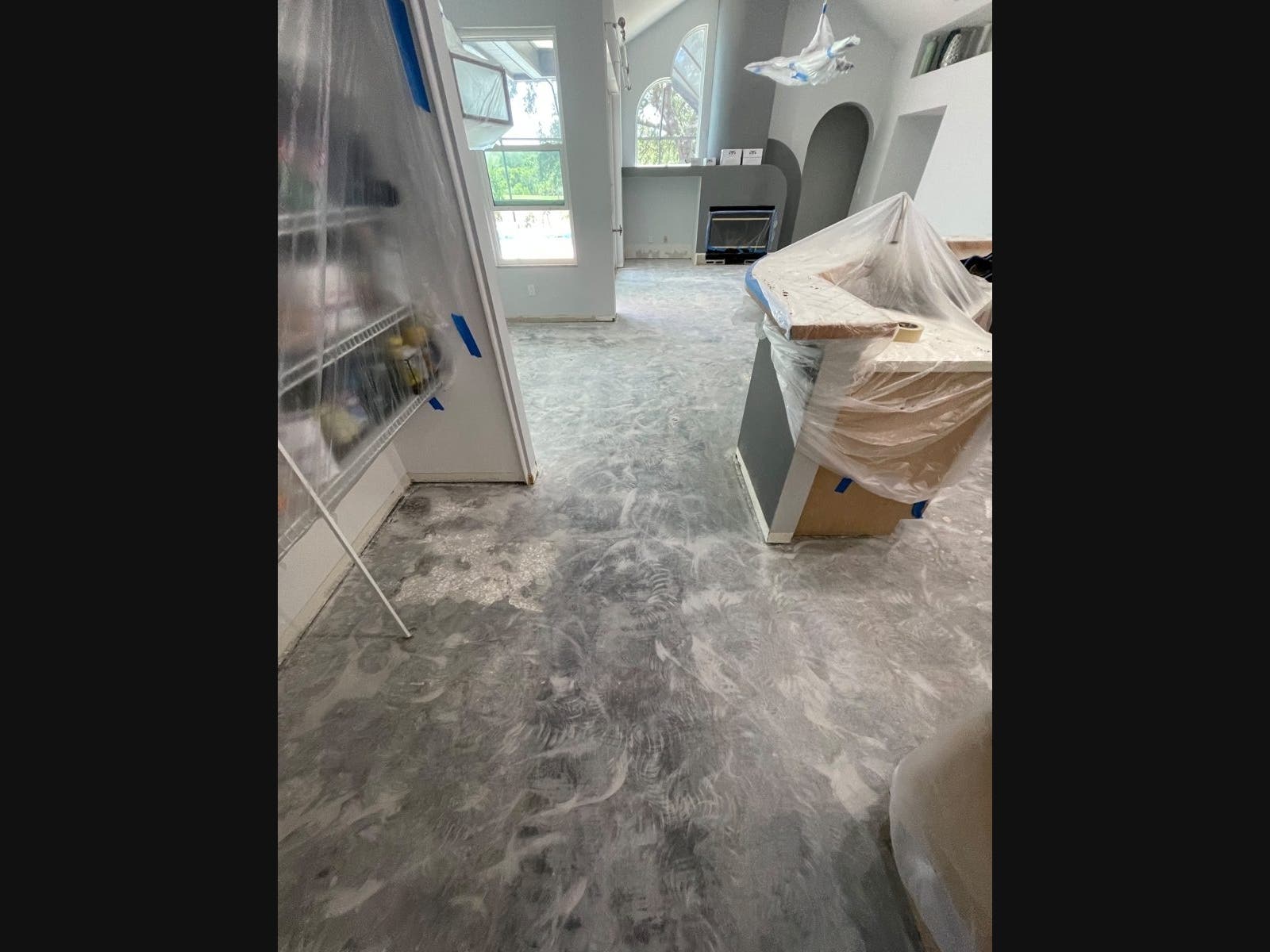
Concrete slabs naturally change over time. Previous flooring installations, old thinset, surface damage, minor repairs, and years of normal settling can all influence how well new tile performs. These conditions often remain hidden until the existing flooring has been removed.
Florida adds another layer of complexity. Tampa’s humidity, seasonal moisture changes, and natural slab movement place constant stress on flooring systems. A surface that appears acceptable at first glance may still require preparation before new tile is installed. Ignoring those conditions can increase the likelihood of cracked grout, hollow-sounding tile, lippage, or other issues that may not become noticeable until months after the project is complete.
Find out what's happening in Tampafor free with the latest updates from Patch.
One of the biggest misconceptions is that thinset mortar can correct an uneven floor. In reality, thinset is designed to bond tile to the substrate—not to compensate for significant irregularities in the concrete itself. The flatter and cleaner the substrate is before installation begins, the better opportunity the finished floor has to perform as intended.
Professional preparation isn’t about adding unnecessary work to a project. It’s about creating the right foundation before the first tile is installed. Proper floor grinding in Tampa helps remove old thinset, eliminate surface irregularities, and prepare the concrete slab for a stronger, longer-lasting tile installation.
Hidden Surface Problems Are More Common Than Most Homeowners Expect
Once the old flooring has been removed, every home tells a different story. Even two houses built in the same Tampa neighborhood can require completely different preparation before new tile is installed.
Some concrete slabs are left with heavy layers of old thinset that must be mechanically removed before the surface is ready for new tile. Others reveal adhesive from previous flooring, patched concrete, small shrinkage cracks, or uneven areas that were hidden beneath the old floor for years.
This is one of the reasons experienced contractors never assume every installation will follow the same process. Demolition is more than just removing old materials—it is the first opportunity to assess the actual condition of the existing substrate.
Many homeowners are surprised to learn that most of the preparation work occurs before the first tile is ever laid. The goal is not simply to create a clean floor. The goal is to create a surface that allows the tile installation to perform properly over time.
Trying to move too quickly through this stage may save a little time at the beginning of a project, but it can create much larger problems later. Floors often look beautiful on the day installation is completed, while hidden substrate issues slowly begin affecting grout joints, tile alignment, and long-term durability.
Another important part of preparation is checking how different areas of the home connect together. Small height differences between rooms, previous remodeling work, and repaired concrete can all influence the final installation. Addressing these conditions before the tile is installed usually produces a cleaner finished appearance and helps reduce unnecessary adjustments during the project.
Professional contractors also understand that different tile sizes require different levels of floor flatness. Large-format tile, for example, typically demands a flatter substrate than smaller tile because even slight irregularities become much easier to see across a larger surface.
For homeowners planning a remodeling project, understanding what happens before installation begins often explains why professional preparation plays such an important role in the overall quality and longevity of a finished tile floor.
EXPERT INSIGHTWhy Experienced Contractors Never Rush Surface Preparation
One thing we’ve learned after years of installing tile throughout Tampa Bay is that homeowners rarely see the work that makes the biggest difference. Everyone notices the finished tile, but very few people see the hours spent preparing the surface before installation ever begins.
In our experience, taking extra time to prepare the concrete almost always pays off. A properly prepared substrate gives tile a much stronger foundation, helps create a flatter finished floor, and reduces the likelihood of problems that could require repairs later. While every home presents different conditions, careful preparation is one of the most valuable investments in the entire installation process.
What Homeowners Should Ask Before Tile Installation Begins
Before selecting tile or grout colors, homeowners should spend a few minutes asking questions about the preparation process itself. Those conversations often reveal far more about the quality of an installation than the flooring products being used.
For example, ask how the existing concrete will be evaluated after demolition. Will old thinset or adhesive be removed if necessary? How will uneven areas be identified? What happens if minor cracks or previous repairs are discovered? These questions help homeowners understand how the contractor approaches long-term performance instead of focusing only on appearance.
Another important consideration is whether the preparation plan is based on the specific flooring being installed. Large-format tile, natural stone, and porcelain can each have different substrate requirements. A preparation method that works well for one type of flooring may not always be the best choice for another.
Homeowners should also understand that preparation is rarely identical from one project to the next. Even homes built during the same year in the same Tampa neighborhood can have completely different slab conditions because of previous remodeling, moisture exposure, or normal settlement over time.
Choosing a contractor who evaluates each project individually helps create a more predictable installation process and gives the finished floor the best opportunity to perform well for many years.
FINAL THOUGHTSA Strong Tile Installation Always Starts Below the Surface
Beautiful tile is only one part of a successful flooring project. Long-term performance depends just as much on the preparation that happens before installation as it does on the materials homeowners choose.
Taking time to inspect the existing concrete, remove old installation materials correctly, and prepare the substrate properly creates a stronger foundation for the finished floor. While every home presents unique conditions, careful preparation helps reduce avoidable problems and gives new tile the best opportunity to perform as intended.
For homeowners in Tampa, understanding the importance of surface preparation can make a significant difference when planning a remodeling project. Asking the right questions before installation begins—and working with contractors who take preparation seriously—often leads to better results and greater confidence throughout the entire process.
No homeowner wants to replace a floor only to face unexpected repairs a short time later. Investing in proper preparation from the beginning helps protect both the appearance of the finished tile and the value of the investment for years to come.
Every successful tile installation starts with a solid foundation. When the work beneath the surface is done correctly, homeowners are far more likely to enjoy a floor that continues looking and performing its best long after the project is complete.