Neighbor News
Why Some New Floors in Tampa Begin Showing Problems Much Sooner Than Homeowners Expect
Many flooring problems begin long before the first tile or plank is installed. Hidden issues beneath the old floor often determine how well

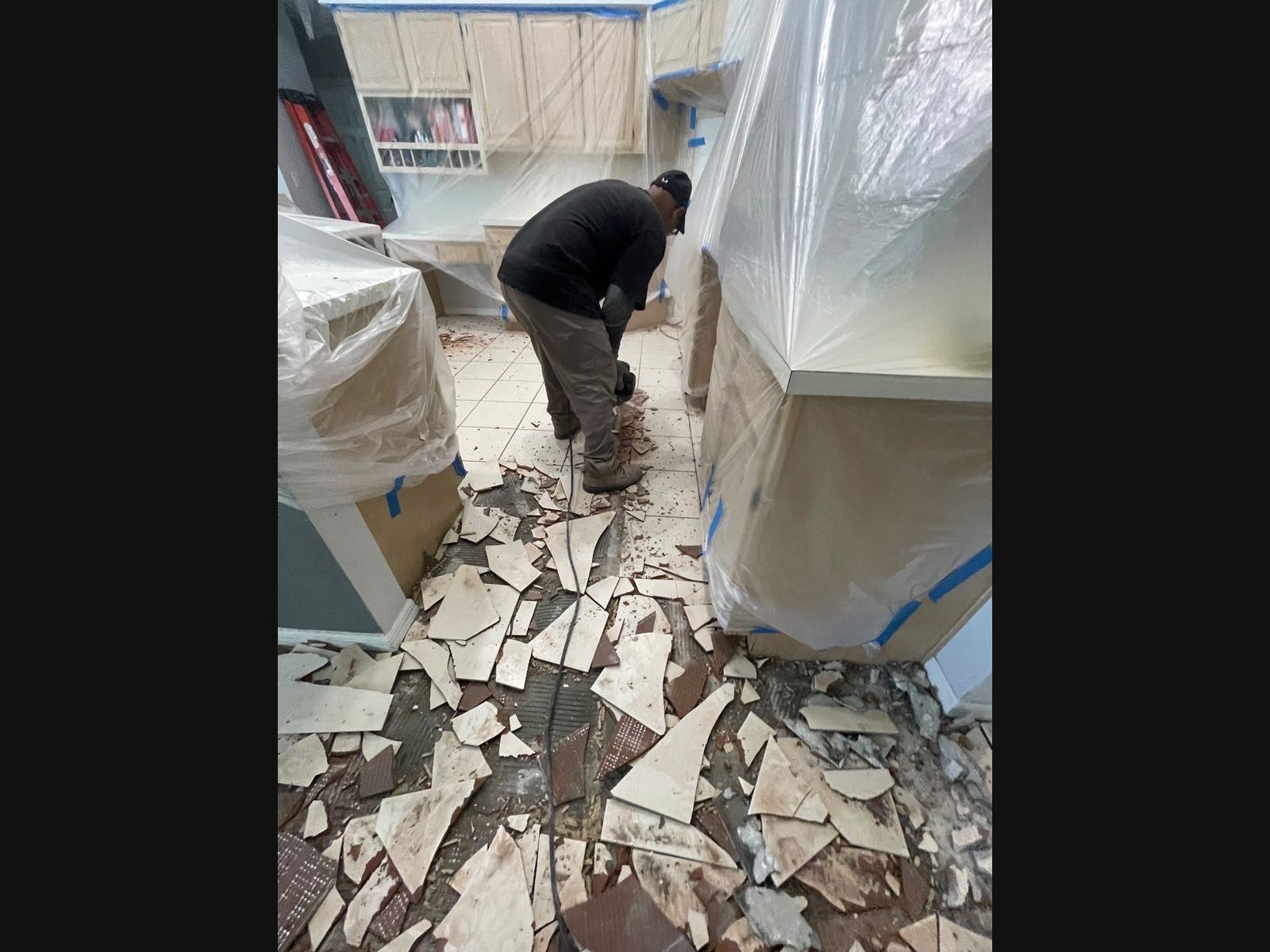
Choosing new flooring is one of the most exciting parts of a home renovation. Homeowners often spend weeks comparing tile, luxury vinyl plank, hardwood, and laminate, expecting the finished floor to completely transform their living space.
What many people don’t realize is that the flooring material itself is only part of what determines how long a floor will last. Even the highest-quality products can experience problems if the surface underneath isn’t properly prepared before installation begins.
After working in homes throughout Tampa Bay, we’ve seen that many flooring failures actually begin beneath the finished floor. By the time homeowners notice cracked grout, loose tile, hollow sounds, separating vinyl planks, or uneven flooring, the real cause has often existed since the very beginning of the project.
Find out what's happening in Tampafor free with the latest updates from Patch.
That’s why experienced flooring contractors spend so much time evaluating the existing floor immediately after demolition. Once the old flooring has been removed, the concrete slab reveals conditions that were completely hidden from view. Previous repairs, leftover thinset, adhesive residue, uneven surfaces, moisture intrusion, and small structural cracks all become visible for the first time.
Florida homes present their own unique challenges. Tampa’s humidity, seasonal moisture fluctuations, and natural slab movement can gradually place stress on flooring systems over time. Installing new flooring over an unprepared surface may reduce the lifespan of the entire installation, regardless of how expensive the flooring material itself may be.
Find out what's happening in Tampafor free with the latest updates from Patch.
One of the biggest misconceptions is that new flooring will hide imperfections below. In reality, modern flooring systems often reflect the condition of the substrate beneath them. Slight irregularities can eventually appear as cracked grout joints, lippage between tiles, movement in luxury vinyl plank flooring, or premature wear that surprises homeowners only months after the project has been completed.
For this reason, professional preparation is never just another step in the installation process. It creates the foundation that supports everything installed above it. Proper floor grinding in Tampa helps remove old thinset, smooth uneven concrete, and prepare the slab for a stronger, longer-lasting flooring installation.
Every demolition project tells a different story. Two homes built during the same year in the same Tampa neighborhood can require completely different preparation before new flooring is installed.
Some concrete slabs are left with heavy layers of thinset that must be mechanically removed before installation can begin. Others reveal adhesive from previous flooring, repaired cracks, uneven patches, or areas that require additional leveling before they can support new materials.
These conditions often remain hidden for decades beneath existing flooring. While many homeowners think demolition simply removes old materials, experienced contractors know it is one of the most valuable opportunities to inspect the structural condition of the floor before investing in new finishes.
Trying to speed through preparation may save time at the beginning of a project, but it often creates much larger problems later. A newly installed floor can look perfect on the day it is completed, while hidden substrate issues slowly begin affecting its long-term performance.
One of the greatest advantages of careful floor preparation is that small issues can usually be corrected before they become expensive repairs. Identifying uneven concrete, remaining installation materials, or minor slab imperfections early helps create a smoother installation process and improves the overall durability of the finished floor.
Professional contractors also evaluate factors that homeowners rarely think about. Floor flatness, transitions between rooms, remaining adhesive, previous repair work, and moisture conditions all influence how new flooring should be installed. Different flooring products require different preparation methods, making every project unique rather than following the same process every time.
The goal isn’t simply to install new flooring. The goal is to create a stable foundation that allows the flooring to perform well for many years, even under Florida’s demanding climate.
One thing we’ve learned after years of installing flooring throughout Tampa Bay is that the finished floor only tells part of the story. The real quality of any flooring project is built before the first tile or plank is installed.
Homeowners naturally focus on the flooring they can see, but experienced contractors spend just as much attention on the concrete slab underneath. When the substrate is properly prepared, the entire installation has a stronger foundation to perform as intended for years to come.
WHAT PROFESSIONAL CONTRACTORS LOOK FOR BEFORE INSTALLING NEW FLOORINGEvery demolition project creates an opportunity to evaluate the existing concrete slab before new materials are installed. While homeowners often focus on selecting flooring products, professional contractors first examine the surface that will support the finished installation.
One of the first items evaluated is floor flatness. Even relatively small high or low areas may affect tile, luxury vinyl plank, laminate, or hardwood flooring differently. Some products require much tighter tolerances than others, making proper preparation an important part of achieving a professional installation.
Moisture is another critical consideration in Florida homes. Concrete slabs may retain or transmit moisture over time, particularly during periods of high humidity. Depending on the flooring system being installed, additional moisture protection or preparation may be recommended before installation begins.
Contractors also inspect previous repairs, shrinkage cracks, remaining installation materials, and areas that may require additional preparation. These conditions do not automatically indicate major structural problems, but identifying them early allows the installation plan to be adjusted before new flooring is installed.
Another important consideration is the transition between rooms. Small differences in floor height can influence how flooring connects from one space to another. Addressing these details before installation helps create a cleaner finished appearance and reduces unnecessary adjustments later.
Every home presents different conditions. Rather than following the same process on every project, experienced contractors evaluate each floor individually and choose preparation methods that best match the existing slab and the flooring being installed.
WHAT HOMEOWNERS ARE OFTEN SURPRISED TO DISCOVERMany homeowners believe the most important decision during a flooring project is selecting the right color or flooring material. In reality, some of the most important discoveries happen only after the existing floor has been removed.
It is common to uncover previous repairs, multiple layers of flooring from earlier renovations, remaining adhesive, damaged concrete, or sections that require additional preparation before new flooring can be installed. Discovering these conditions does not necessarily make a project more complicated, but it does demonstrate why every home deserves an individual evaluation rather than a one-size-fits-all approach.
Even neighboring homes built during the same period may have completely different slab conditions depending on years of moisture exposure, remodeling history, settlement, and previous flooring installations.
Taking the time to identify these conditions before installation begins helps create a more predictable project, allows the proper preparation methods to be selected, and supports better long-term flooring performance throughout Tampa Bay.
FINAL THOUGHTSEvery flooring project is an investment, and most homeowners expect that investment to last for many years. While beautiful flooring attracts the most attention, long-term performance depends on everything that happens before installation begins.
Carefully evaluating the concrete slab, removing old installation materials correctly, and preparing the substrate properly gives new flooring the best opportunity to perform as designed. Whether the project involves tile, luxury vinyl plank, laminate, or hardwood, preparation remains one of the most important stages of the entire installation.
Florida’s combination of humidity, moisture, and natural slab movement makes this step especially important. While no installation can eliminate every environmental factor, proper preparation significantly improves the likelihood of a durable, long-lasting floor.
Before beginning a flooring renovation, homeowners should ask how the existing floor will be evaluated, what preparation will be completed, and whether hidden conditions will be addressed before new materials are installed. Those conversations often have a greater impact on the success of a project than the flooring selection itself.
For homeowners throughout Tampa and the surrounding Tampa Bay area, understanding what happens beneath the finished floor can help protect both the appearance of a new installation and the investment behind it for many years to come.