Health & Fitness
Inchworms Invade My Florida Bougainvillea Vine
It is rare for the inchworm – which also is known as the looper – to completely defoliate and kill a healthy plant, but it still causes damage to the vibrant blooms.


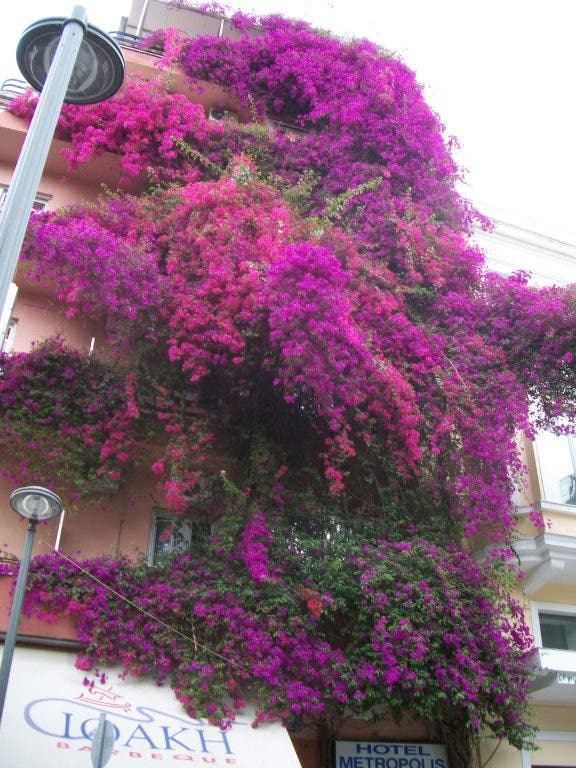
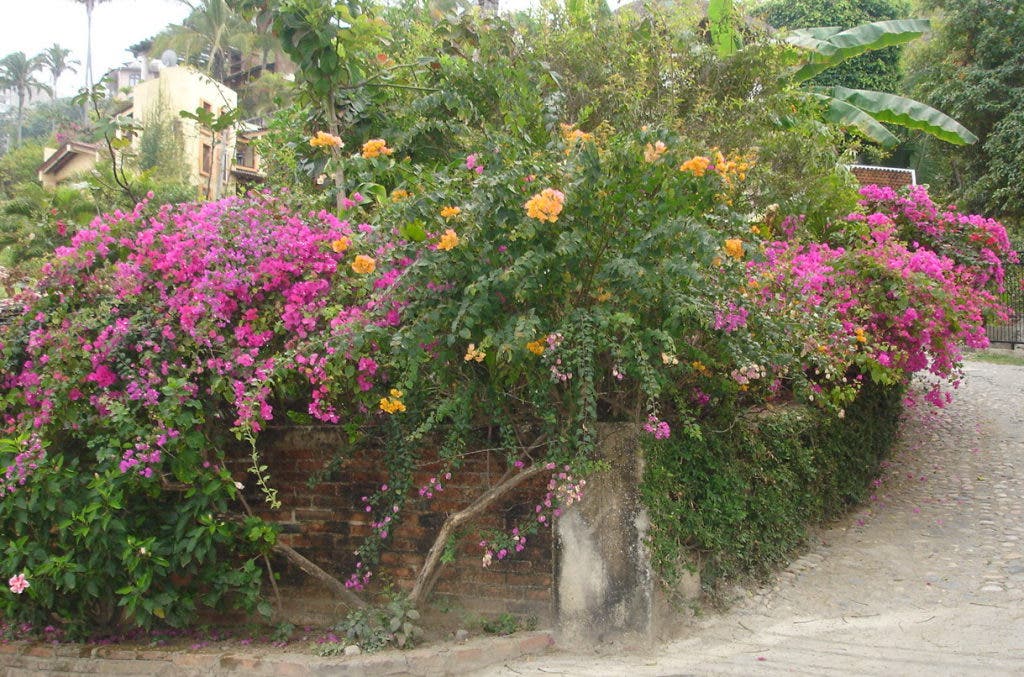
Fall is in the air with promise of cooler weather. This is the time of the year that I like to spruce up the garden with a few colorful plants and fresh mulch to control the weeds before they go to seed and reappear with a vengeance in the spring.
With notebook and pencil in hand, I set out on a recent morning with a very defined goal: List every area on my property that needs attention.
But I stopped in my tracks when I discovered my Bougainvillea was under attack. Instead of making a note to revisit this area, I had to stop what little progress I had made, and try to determine what was devouring the leaves on my plant.
Find out what's happening in St. Petefor free with the latest updates from Patch.
With a little research, I confirmed what I already knew about this tropical plant: The Bougainvillea is a sturdy, thorny, shrubby vine that is drought tolerant and grows well in hardiness zones 9b–11. Pinellas County is Zone 9b. Its colorful long-lasting flowers, which are actually bracts, are most plentiful in the fall and winter.
Research also revealed that there are several pests that find the Bougainvillea especially tasty. The one I was able to identify on my plant is the Bougainvillea Looper (Disclisioprocta stellata), a brown or tan caterpillar that is about an inch long. It is also known as the “inchworm” because of its undulating movement as it travels around the plant looking for a tasty succulent leaf.
Find out what's happening in St. Petefor free with the latest updates from Patch.
The adult is a moth with a wing span of about an inch and is a fast flyer active at night. It lays eggs on the host plant and soon the larvae (caterpillars) emerge; these larvae are the destructive agents. The looper is difficult to find because it
is active mainly at night and mimics the leaves and stems of the host plant
very well.
It is rare for the looper to completely defoliate and kill a healthy plant but the damage it causes is unsightly and could be extensive enough to prevent blooming. I have to admit the main reason I have a Bougainvillea is to enjoy the vibrant colors of the bracts, so something that inhibits bloom is a big deal.
If you are comfortable that your plant is healthy, you might want to just let
nature take its course. Wasps and spiders feed on the looper, and they are very good at finding a looper where it hides.
If you are certain the damage is preventing your plant from making enough food to support a healthy existence, you can try using some of the synthetic insecticides on the market. But many of these will also kill the beneficial insects, and these insecticides are not friendly to you, the user.
Bacillus thuringiensis, BT, or a product containing BT, such as Dipel or Thuricide, is good and effective control. Remember to follow label instructions on all insecticides because “The Label is the Law,” and any insecticide, even biological based ones, can be dangerous if not used with caution.
If you need to learn more, you can find several good articles on the Internet about
the Bougainvillea Looper; just Google “Bougainvillea caterpillar” for more than
a few choices to make an informed decision about what to do about this munching
machine.
In case you are wondering what I did to control this pest; because the damage was not widespread, I trimmed off the affected areas and decided to let the wasps and spiders do what they do best.