Community Corner
Skin Scaries: What Microneedling With PRP Can Do for Texture, Acne Scars and Fine Lines
Microneedling may sound spooky around Halloween but the treatment uses a patient's own platelet-rich plasma to support smoother-looking skin
This is a paid post contributed by a Patch Community Partner. The views expressed in this post are the author's own, and the information presented has not been verified by Patch.
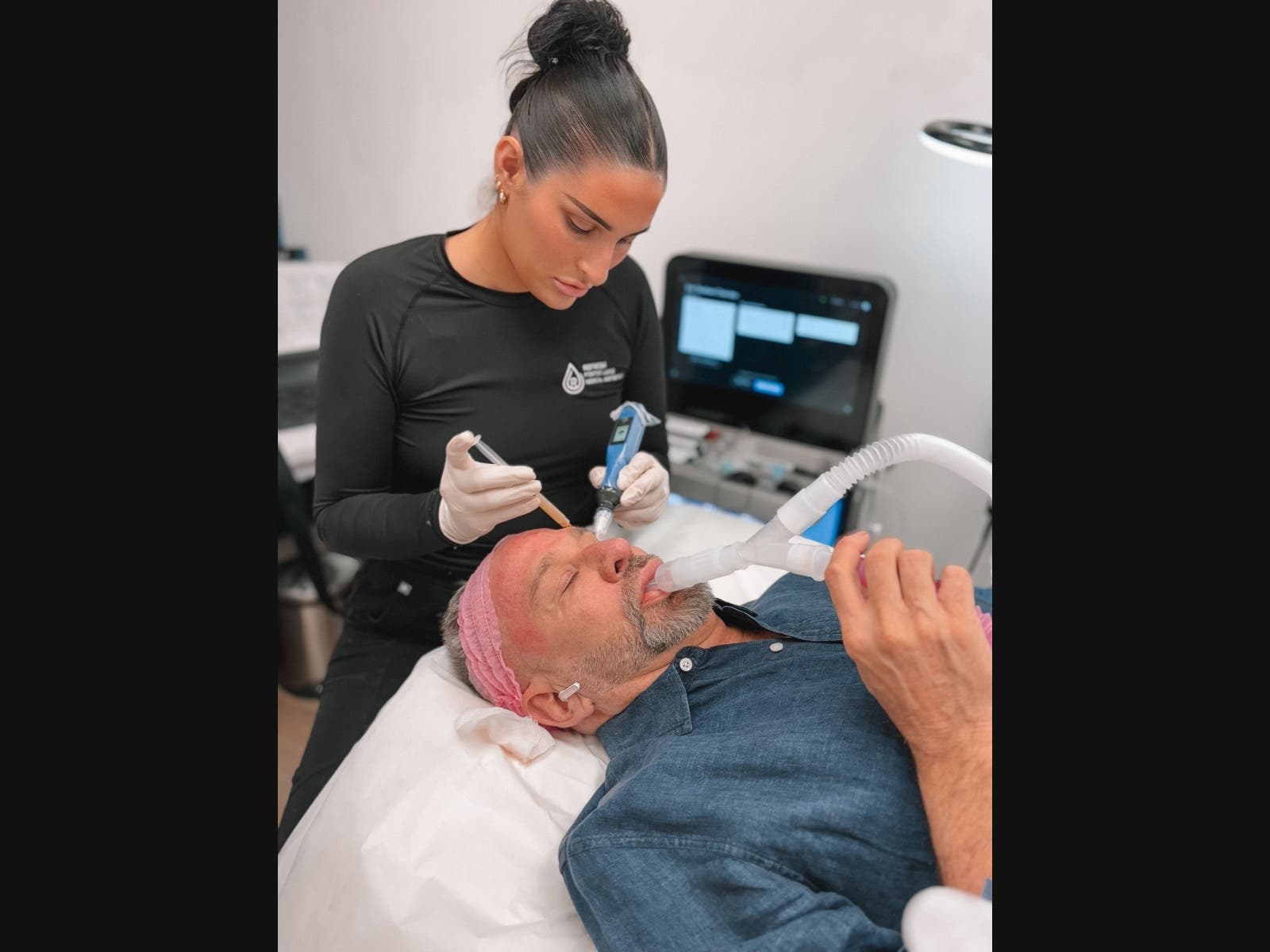
The tiny needles may sound like something from a Halloween movie, but microneedling is actually designed to create controlled, microscopic punctures in the skin. Those micro-injuries trigger the skin’s natural healing response, which is why microneedling is commonly used to improve the appearance of concerns such as acne scars and facial wrinkles.
When platelet-rich plasma, or PRP, is added, the treatment becomes what many patients know as a “Vampire Facial.” PRP is prepared from a small sample of the patient’s own blood and contains a concentrated portion of platelets.
For patients in St. Petersburg, Gulfport and the Pinellas Beaches who are dealing with uneven texture, acne scarring or early signs of aging, the important question is not how dramatic the nickname sounds. It is understanding what the treatment actually does, what it can realistically address and whether it makes sense for your skin.
Explore Microneedling with PRP at Refresh in St. Petersburg
What actually happens during microneedling?
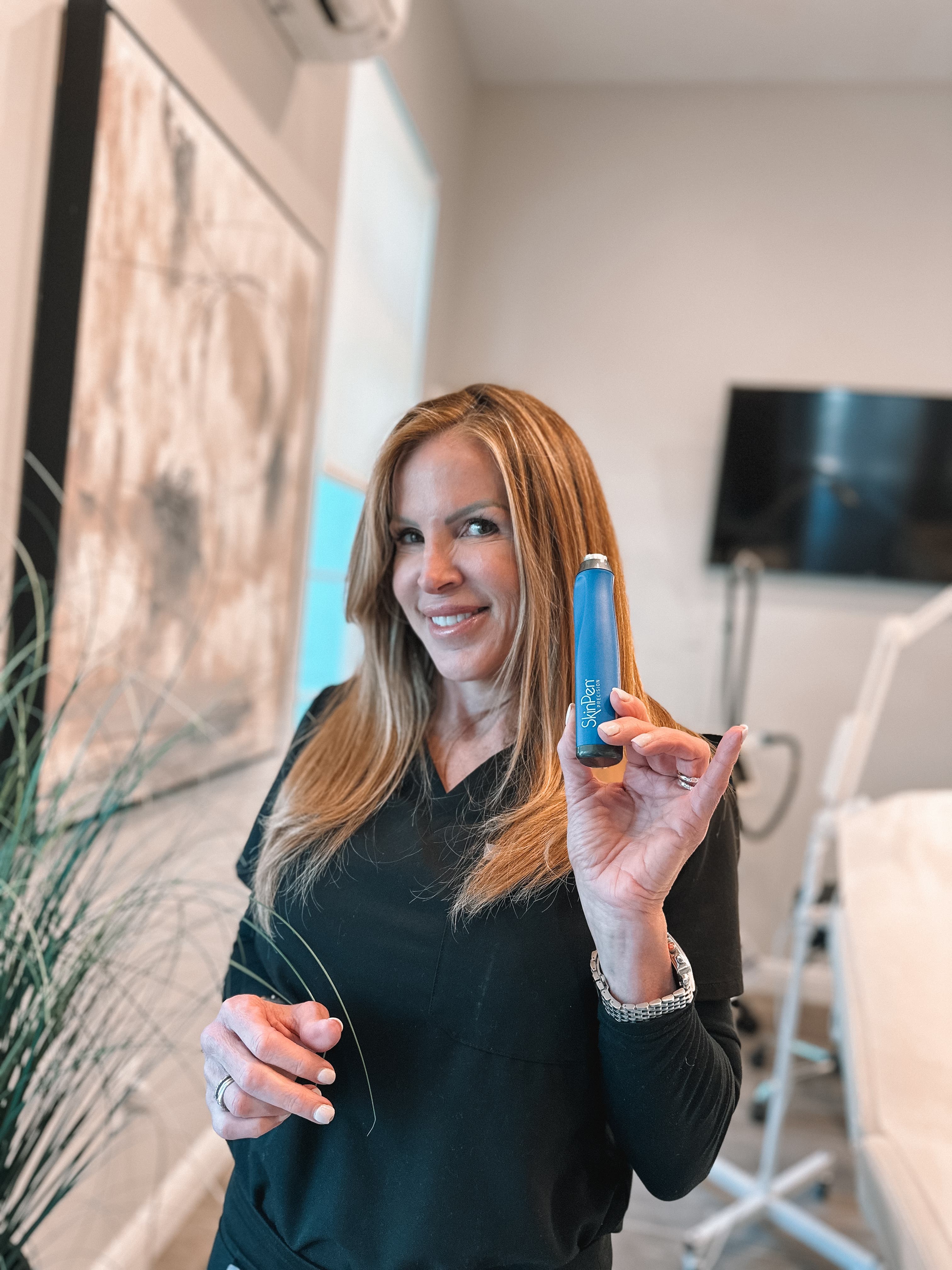
Microneedling devices use multiple very small needles that repeatedly enter and exit the skin, creating tiny punctures across the treatment area. The FDA has cleared certain microneedling devices for improving the appearance of facial acne scars and facial wrinkles in adults age 22 and older.
Those controlled micro-injuries initiate the body’s normal wound-healing response. Over time, that process can support changes in the skin’s texture and appearance.
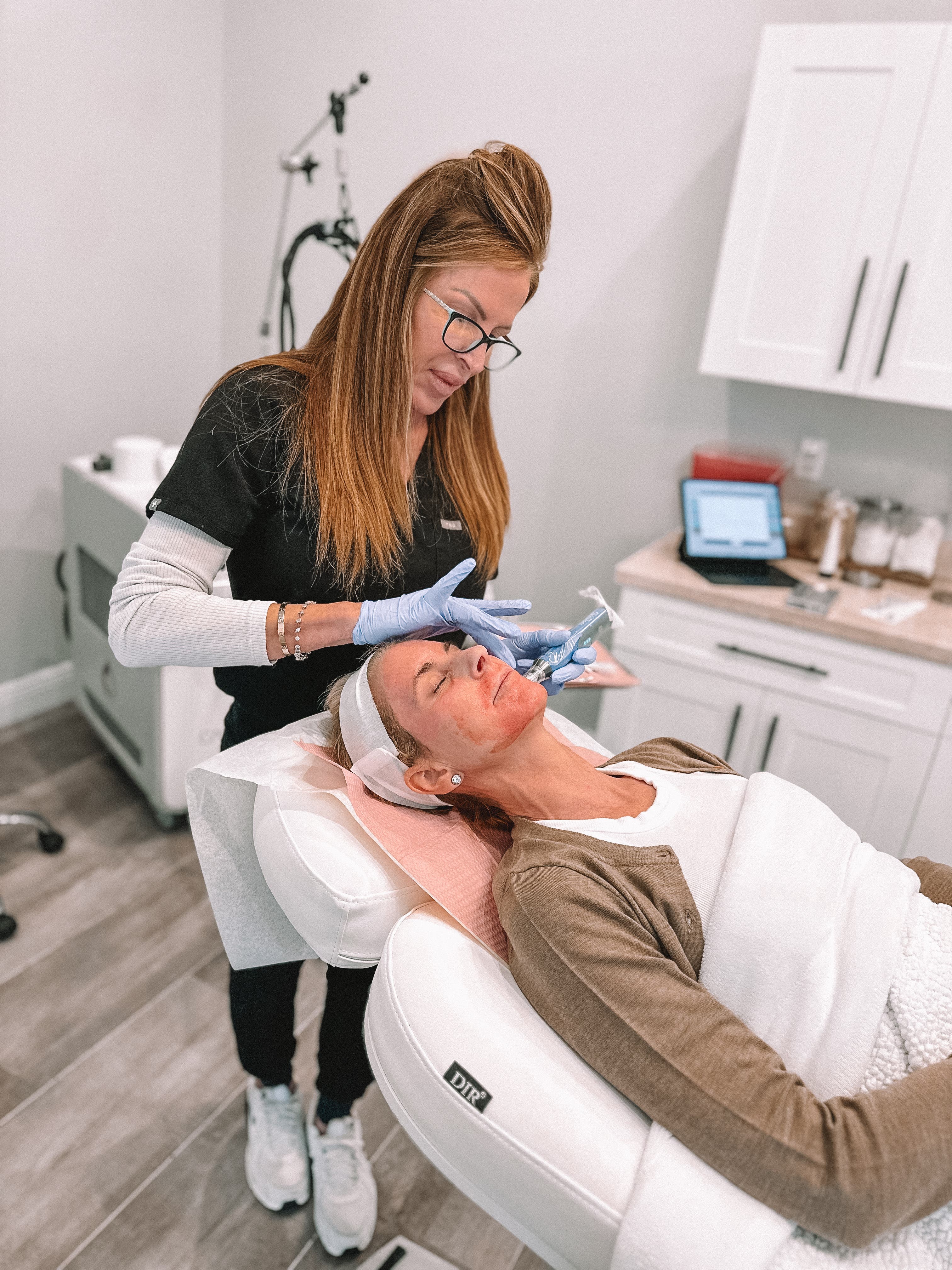
Microneedling is not the same as simply rolling an at-home device across the face. Medical microneedling can penetrate deeper layers of skin, which is why the FDA recommends having the procedure performed by a properly trained health care provider.
What is PRP?
PRP stands for platelet-rich plasma. A small amount of the patient’s blood is drawn and processed in a centrifuge so that a platelet-concentrated portion can be separated.
At Refresh - Aesthetics & Wellness in St. Petersburg, PRP is paired with microneedling as part of the treatment. Refresh describes the procedure as combining controlled microneedling with PRP derived from the patient’s own blood.
The “vampire” nickname comes from the blood draw involved in creating the PRP. It does not mean the treatment is unusually aggressive or intended to leave the skin looking bloody.
It is also important to understand a regulatory distinction. The FDA has cleared certain microneedling devices for specific uses, but it has not cleared microneedling devices specifically for delivering PRP into the skin. Patients should discuss the benefits, limitations and risks of the combination with their provider before treatment.
Why combine microneedling with PRP?
Microneedling already creates a controlled healing response. Adding PRP is intended to complement that process.
Research has looked particularly at acne scarring. A meta-analysis that reviewed 14 controlled studies involving 472 patients found that microneedling combined with PRP produced greater improvement in acne scars than microneedling alone.
That does not mean every scar or skin concern responds the same way. Acne scars vary significantly in depth, shape and severity, and some patients may benefit from a different treatment or a combination approach.
What skin concerns can microneedling help address?
Patients commonly consider microneedling when they want to improve:
- Acne scars
- Uneven or rough-looking skin texture
- Fine lines and facial wrinkles
- Overall skin quality and smoothness
The FDA has specifically cleared certain microneedling devices for the improvement of facial acne scars and facial wrinkles.
For someone whose main concern is pigmentation, deeper scars, significant skin laxity or another issue, a provider may recommend a different procedure instead.
Does microneedling hurt?
A topical numbing medication is commonly applied before medical microneedling to reduce discomfort. Patients may still feel pressure, vibration or a prickling sensation during treatment.
Afterward, temporary redness, tightness, dryness, peeling, itching, tenderness or mild bleeding can occur. These reactions typically improve as the skin heals, although every patient responds differently.
Less common risks can include changes in pigmentation, infection or reactivation of cold sores.
How much downtime should you expect?
Microneedling is generally not considered a zero-downtime treatment.
The skin can appear red or feel sensitive after a session, sometimes resembling a mild sunburn. Patients should follow their provider’s aftercare instructions carefully because freshly treated skin may be more sensitive to sunlight and certain skin-care ingredients.
The FDA specifically notes that ingredients such as retinol, glycolic acid and alcohol may irritate the skin after microneedling.
For St. Pete patients who spend significant time outdoors, sun protection and planning around beach days or extended outdoor activities can be especially important after treatment.
How many treatments are needed?
There is no single number that applies to everyone.
The FDA notes that more than one microneedling procedure may be needed to achieve the desired cosmetic improvement, and maintenance treatments may sometimes be needed over time.
The number of sessions depends on the concern being treated, the severity of that concern, how the skin responds and the patient’s overall goals.
Acne scarring, for example, often requires a different treatment plan than someone primarily concerned with mild texture changes or fine lines.
Who should be careful with microneedling?
Microneedling is not appropriate for everyone.
Patients should tell their provider about their health history, medications and skin conditions before treatment. According to the FDA, certain people may not be appropriate candidates, including some patients with active skin infections, bleeding disorders, weakened immune systems, uncontrolled diabetes, active cold sores or a history of certain types of scarring.
A consultation matters because the safest treatment is sometimes deciding not to perform the procedure at all.
Microneedling with PRP in St. Petersburg
Refresh - Aesthetics & Wellness offers Microneedling with PRP at its downtown St. Petersburg location. According to Refresh, treatments are performed by licensed medical providers under physician oversight after an evaluation of the patient’s skin and goals.
The office serves patients throughout St. Petersburg, Gulfport, St. Pete Beach, Treasure Island, Madeira Beach and surrounding Pinellas County communities.
Rather than choosing a treatment based on a Halloween nickname or social-media trend, patients should start by identifying what they actually want to improve. Acne scars, fine lines and uneven texture can have different causes and may require different approaches.
A provider can evaluate the skin, medical history, skin type, current products and treatment goals before deciding whether microneedling with PRP or another option makes the most sense.
Refresh - Aesthetics & Wellness, St. Petersburg
646 1st Ave S, St. Petersburg, FL 33701
(727) 300-5575
Monday through Friday, 9 a.m. to 5:30 p.m.; Thursday until 7:30 p.m.
Request a Microneedling with PRP consultation at Refresh
This article is general information, not medical advice. Microneedling and PRP are not appropriate for every patient, individual results vary, and treatment recommendations should be based on an evaluation by a qualified medical provider.
This post is an advertorial piece contributed by a Patch Community Partner, a local brand partner. To learn more, click here.