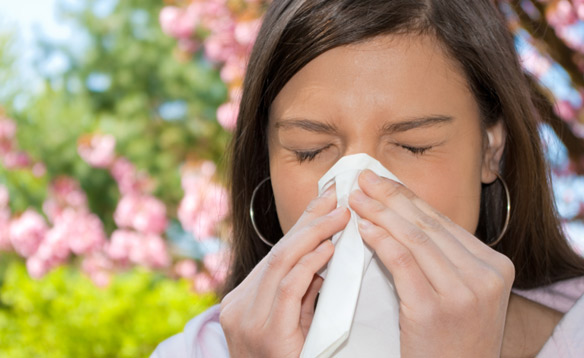
Allergies lead to sneezing, sniffling, coughing, stuffiness, itchiness, runny nose, and watery or dry eyes. To prevent and fight allergies,
- Vacuum areas where pollen might accumulate: the carpet, air filters – use high efficiency grade filters, furniture and beds. Check cool, wet and dark spots for molds such as the basement, bathroom, underneath the sink, and anywhere with leaks.
- While cleaning, wear gloves and face mask, and wash your cloth immediately.
- Leave the windows and doors closed and use your air conditioning. This will keep your house cool while limiting the risk of pollen getting into your home.
- Reduce early morning activities, between 5 a.m. and 10 a.m., when the pollen count is high and on windy days when pollen may be present in higher amounts in the air.
- Immediately take off your clothes and change into clean wear as soon as you get home. Take a shower, wash your hair and hands before sleeping, or possibly immediately you get home, to reduce the transference of outside pollen into your already clean space. When you wash your clothes, use a dryer rather than line drying it.
- When you are out, wear sunshades to protect your eyes and hats to prevent pollen getting stuck in your hair. When pollen counts are high, avoid wearing contact lens. And when you exercise, wear a mask or bandanna over your nose and mouth.
- Talk to your doctor about taking allergies medication, or shots, or nasal irrigation, or decongestant nasal sprays. This will help flush out the spring allergens out of your body and nose as the allergy season starts.
- Try acupuncture. A new study published in the Annals of Internal Medicine found having acupuncture with seasonal allergies increases patients’ quality of life. However, the benefits of acupuncture do disappear after two months.
Although there is no cure for allergies, there are several medications available to help ease and treat allergy symptoms. They include:
- Antihistamines: in pills, liquid, nasal spray, or eye drops form, antihistamines help with itchy watery eyes, runny nose and sneezing, as well as itchy skin and hives by blocking histamine and keeping it from binding to receptors.
- Nasal Decongestants: in nasal spray, eye drop, liquid, or pill form, nasal decongestants shrink swollen nasal tissues and blood vessels, and relieve patients of nasal swelling, congestion, mucus secretion, and redness work, effectively controlling allergy symptom and stopping chronic symptoms.
- Nasal spray or eye drop decongestants only should be used for few days while pills and liquids can be taken for a longer period safely.
- Corticosteroids: reduce inflammation associated with allergies, prevent and treat nasal stuffiness, sneezing, and itchy, runny nose due to seasonal or year-round allergies, and decrease inflammation and swelling from other types of allergic reactions.
- Immunotherapy (Allergy Shot): Although immunotherapy, used when allergy medicines don’t work and you have constant allergy symptoms, doesn’t cure allergy, it desensitizes and helps your body get used to allergens. When undergoing immunotherapy, be sure to tell your allergist about your health and any medicines you take.