Health & Fitness
Smile! (If) You Have Cavities
Some of our cavity-nesting birds and their favorite trees are described.
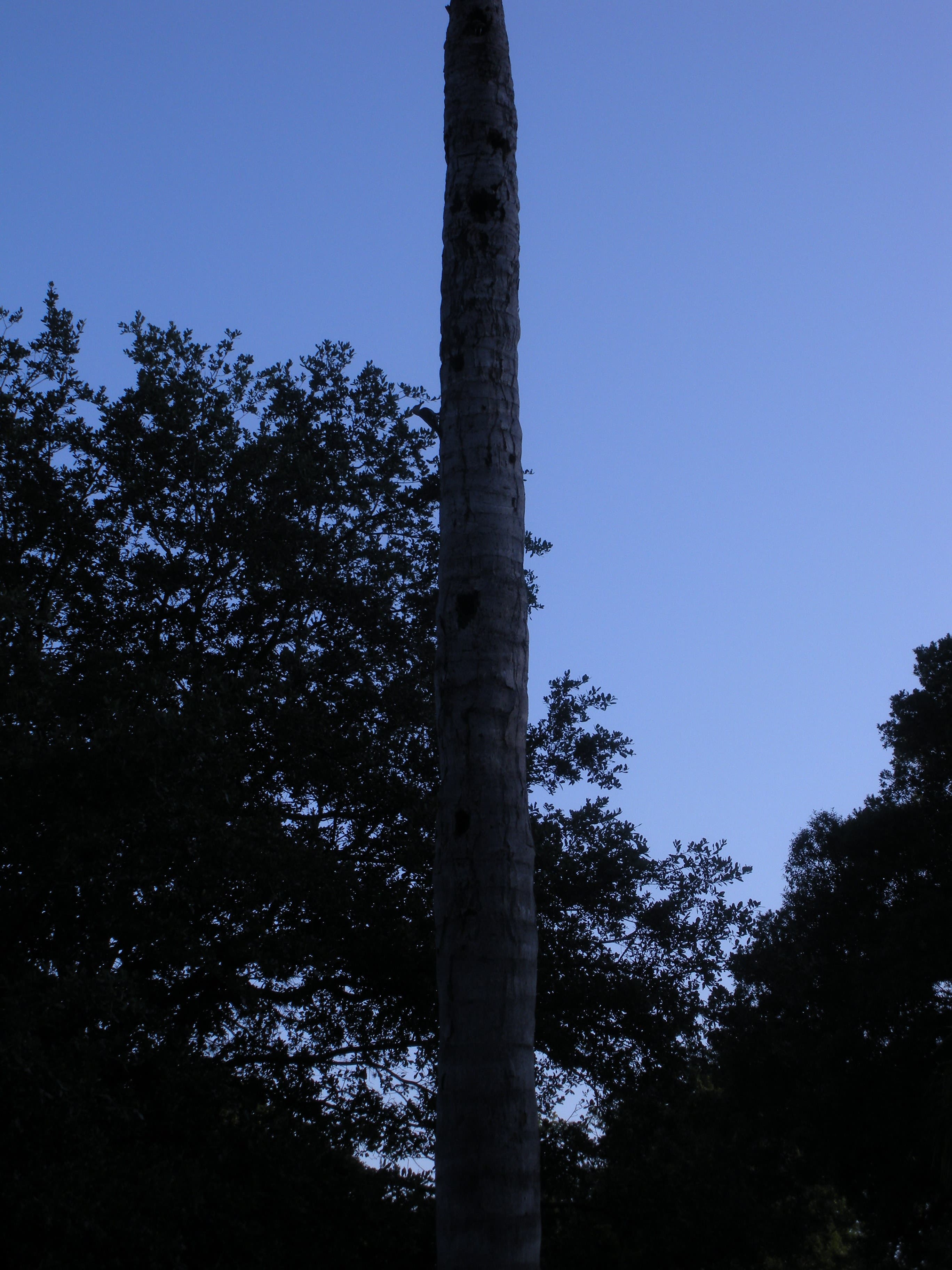
If you are a property owner or manager (taking care of our local parks, or the Golf course, for instance) and you have a dead tree with nice round holes in the trunk, please think twice before cutting the tree down. You might be cutting down the home of one of cavity-nesting bird families. In our area, birds of the woodpecker family are the most common cavity nesters. These include the flickers, red-headed and red-bellied woodpeckers, and the great Pileated. Bluebirds are also cavity nesters, but can be coaxed into nesting boxes under the right conditions.
Cavity-nesting birds make their homes by using their beaks to bore holes into tree trunks. This does not kill the tree. Most often, these trees are already dead or dying, and even in cases where birds choose live trees (like red-cockaded woodpeckers do) the trees continue growing and don't seem to mind. Our cavity-nesters do good things for us and should be appreciated. They mostly eat ants, wasps, wood-boring beetles and other insects and will also eat seeds and fruits from our local native plants. They belong in our ecosystem and are good neighbors.
I'm attaching a photo of one of my favorite cavity trees. At least one family of woodpeckers lives here, maybe more. Male and female woodpeckers can live in separate holes (the wisdom of nature!), with the female roost often becoming the nest for rearing the young. Young birds are living in this tree and will pop their heads out for a look at the outside world. I think these birds are red-bellied woodpeckers, but I usually visit in the very early hours before full daylight and it's hard to get a good look.
Find out what's happening in Temple Terracefor free with the latest updates from Patch.
There are other cavity trees in TT so be on the lookout. And please, before you raise the axe or fire up the chainsaw, check to make sure you're not about to make a bird family homeless. Most of the cavity trees I know of around here are single pines or palms (like in the photo), and not the laurel oaks that many of us worry about. If you have a cavity tree on your property, smile, and say hello to your cavity-nesting neighbors.