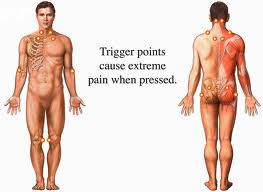
What is Fibromyalgia?
The second most common diagnosed musculoskeletal disorder, over 12 million Americans currently live with fibromyalgia, with the majority being women between the ages of 20 and 60. Linked to fatigue, sleep problems, headaches, depression, and anxiety, fibromyalgia involves long-term (chronic) body pain, and tenderness in the joints, muscles, tendons and other soft tissues.Researchers believe that fibromyalgia increases painful sensations by affecting the way the brain processes pain signals. That is, fibromyalgia makes patients more susceptible to pain and creates tender spots all over the body.
People who have fibromyalgia typically also have tension headaches,temporomandibular joint (TMJ) disorders, irritable bowel syndrome, anxiety and depression.
Symptoms of Fibromyalgia
Similar to osteoarthritis, tendinitis and bursitis, symptoms include constant, dull body ache, fatigue, tenderness, swelling, sleep complications, abdominal pain, chronic headaches, dryness of the mouth/eyes/nose, stiffness of the joints, and numbness or tingling in the fingers and feet.Fibromyalgia Causes
While the exact cause is still unknown, certain factors play a role in the development. Such factors include hormonal imbalance, trauma, injury, illness, infections, and hereditary factors (genetics). It’s believed that fibromyalgia most likely occurs from a variety of these factors working together.Some researchers theorize that the condition may arise as a result of lesser amounts of serotonin in the brain. This low amount creates pain sensitivity, which could be a predecessor to this condition.
Often, fibromyalgia causes sleep disorders, making it difficult for patients to get a restful nightcap. This may be because of the low amount of serotonin in the body which prevents the body from getting a restful sleep.
Treatment Options for Fibromyalgia
While there is no cure for fibromyalgia, a variety of treatment plans can be combined to meet individual needs and help control symptoms. Such treatment plans include medications, stress-reduction measures, behavioral techniques, and exercise to suppress symptoms and help the body recoup the lowered amount of serotonin. Common medication include: analgesics (pain relievers), sleeping aids, antidepressants, muscle relaxants and anti-seizure drugs.Therapy helps with learning to deal with stressful situations, reduce pain, be happy and recognize symptoms. Massage therapy, one of the oldest methods of health care, may provide pain relief for the body’s muscles and soft tissues. Behavioral therapies, like relaxation therapy, help provide stress relief.
Rest well, exercise as much as you can― aerobic exercise reduce body stiffness, live a healthy lifestyle, reduce stress triggers, and do everything in moderation.
If you think you may show signs of fibromyalgia, please talk to a doctor or a healthcare provider. See more at: http://mygenesismedical.com/fibromyalgia
~~~
Genesis Medical Clinic specializes in pain management, auto injury, chiropractic adjustment, family practice, primary care medicine, massage therapy and medical weight loss, with a full service walk-in clinic. It operates at 9780 N. 56th Street Temple Terrace, FL 33617 and 2916 W. Waters Ave #A2 Tampa FL 33614.