Neighbor News
Florida's Gold-Silver Law Doesn't Erase Your Tax Bill
Gold is down about a quarter from January's record; silver has lost more than half. Florida's tax break won't cover federal gains.


For Florida retirees who own gold or silver, the recent price drop raises a practical question: what happens if they sell before the end of the year? Someone who bought years ago might still have a sizable gain. Someone who bought during January's rally could be looking at a loss.
By early November, gold had fallen roughly a quarter from its January high, while silver had lost more than half its value since its January 29 peak. At the same time, Florida has a new law recognizing certain precious metals as legal tender. The two developments sound related, but they answer very different questions for investors.
Florida changed some state rules for buying and using bullion. It did not erase federal taxes when an investment is sold for a profit.
Find out what's happening in West Palm Beachfor free with the latest updates from Patch.
What Florida's New Law Really Changes
Gov. Ron DeSantis signed House Bill 999 in May 2025. After lawmakers ratified the necessary rules through HB 1311, the legal-tender provisions took effect July 1, 2026, for qualifying debts incurred from that date forward.
Not every gold or silver coin qualifies under the law. Gold generally must be at least 99.5% pure, while silver must be at least 99.9% pure. Both must also meet specific weight and marking requirements. Certain bars and rounds may qualify, but that doesn't mean someone can use just any coin from their collection as legal tender.
Find out what's happening in West Palm Beachfor free with the latest updates from Patch.
And don't expect to pay for lunch with a silver round unless the restaurant agrees. Florida businesses and residents aren't required to accept the metal. Local governments may choose to accept qualifying payments, but only by electronic transfer, not by taking physical bullion across the counter.
Nearly five months into the new framework, there is still no statewide requirement for businesses to accept gold or silver. The law creates an option, not a replacement, for dollars.
The Sales Tax Break Came First
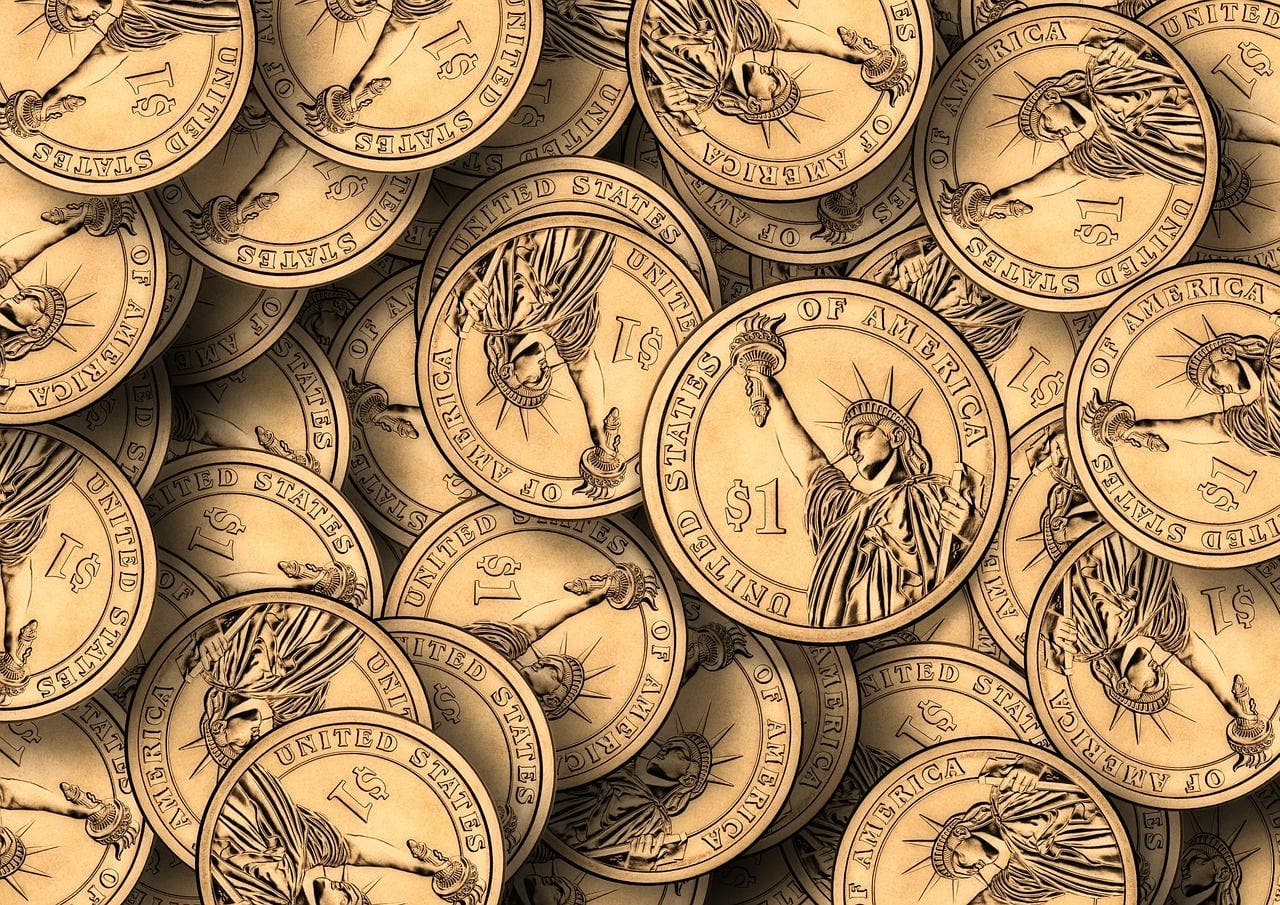
A more noticeable change for Florida buyers came on August 1, 2025. Thanks to HB 7031, qualifying gold, silver, and platinum bullion purchases are now exempt from state sales and use tax, regardless of how much someone spends. Before the law changed, purchases under $500 were generally subject to sales tax.
Think of a retiree in Sarasota buying a modest amount of silver to put away for the grandchildren. The state no longer adds sales tax to a qualifying purchase just because the amount is small.
That's a purchase-tax benefit, though. It says nothing about whether that retiree will owe federal tax after selling the metal years later. Florida already has no personal income tax, so the new legal-tender framework did not create a new exemption from state capital gains tax.
What the IRS Still Collects When You Sell
The IRS generally considers investment bullion a “collectible.” If you sell gold or silver for a profit after holding it for more than a year, you could face a federal capital gains tax rate of up to 28%, depending on your income. That's the maximum rate, though, and not everyone pays that much. Sell within a year of buying, and the profit is generally taxed at your ordinary income tax rate.
For example, a Florida resident who bought silver several years ago for $5,000 and sells it for $6,200 would have a $1,200 capital gain, before accounting for any eligible fees or expenses. That gain is still subject to federal taxes, even though Florida no longer charges sales tax on qualifying bullion purchases.
Reverse the dates and the result may change. Someone who bought near January's highs and sells for less than their investment may realize a capital loss. If the metal was held for investment, that loss may help offset capital gains elsewhere. Simply watching the price fall, however, doesn't create a tax deduction.
When it comes to silver taxes, what matters most is what you paid, what you receive when you sell, and how long you owned the metal.
Why Retirees Should Check More Than the Sale Price
Selling gold or silver at a profit could affect more than a retiree’s capital gains taxes. Depending on their income, the sale might make a larger portion of their Social Security benefits taxable or push up their Medicare premiums in a future year. How much, if anything, changes depends on their overall financial situation.
Before selling, it’s worth digging out the original purchase records. Receipts showing when the metal was bought, how much it cost, and any dealer fees can help establish the taxable gain. Inherited or gifted bullion requires extra attention because the original purchase price isn’t always the figure the IRS uses.
The sale date also makes a difference. Selling just before the one-year holding mark can mean paying a different tax rate than someone who waits until after that anniversary. Investment losses may also offset gains from other sales during the same tax year, although certain restrictions apply.
Anyone considering a sale can read more about how taxes on bullion work when you sell, including what needs to be reported to the IRS. Florida’s new legal-tender law doesn’t change those federal obligations. Even using appreciated bullion to pay for goods or services can trigger a taxable gain.

What This Means for Florida Communities
A buyer in Jacksonville can now purchase qualifying bullion without paying state sales tax, while a business owner in Fort Myers can choose to accept certain gold or silver coins as payment. Those are the changes Florida’s new laws allow. But when either person sells bullion for more than they originally paid, the IRS still expects that profit to be reported.
As families review year-end finances alongside other developments covered in Patch's Florida reporting, a few minutes spent finding old purchase receipts may be worth more than another glance at the daily gold price.
For retirees considering a sale before December 31, knowing the original cost and talking with a qualified tax professional can help avoid surprises when tax season arrives.