Neighbor News
MEOW! Celebrate National Pet First Aid Awareness Month with American Humane Society
Discover 10 lifesaving tips to act fast, stay prepared, and protect your pet in emergencies.
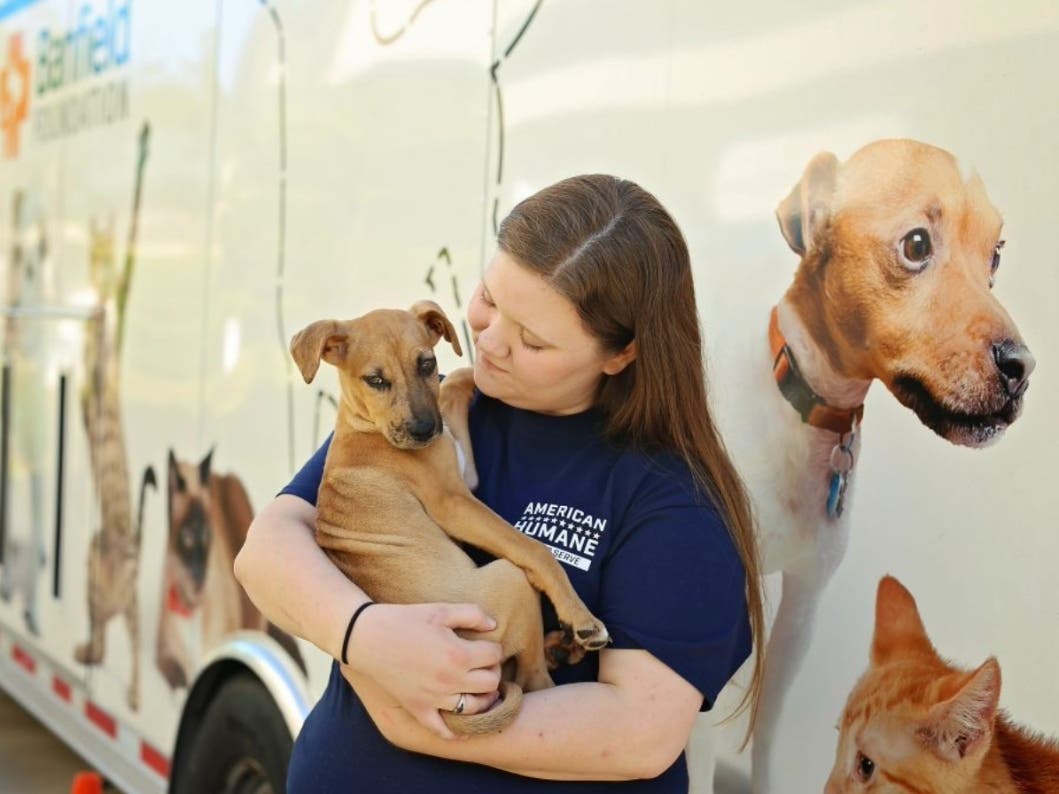
SOUTH FLORIDA – Woof! April is National Pet First Aid Awareness Month, a time to protect the ones who love us unconditionally. While no one ever wants to imagine their pet in danger, accidents happen. Being prepared can make all the difference in an emergency.
Here are 10 essential tips from the American Humane Society to help you act fast and smart when your pet needs you most:
1. Bleeding Injuries
Find out what's happening in West Palm Beachfor free with the latest updates from Patch.
If your pet is bleeding, bleeding is profuse, soaking through bandages, or blood is spurting from the wound, apply direct pressure with a clean cloth or gauze. For limbs, elevate the area if possible. If bleeding doesn’t stop within five minutes, seek immediate veterinary care.
2. Heatstroke
Find out what's happening in West Palm Beachfor free with the latest updates from Patch.
If you suspect heatstroke, start the cooling process immediately and take your pet to the vet as safely and quickly as possible. Move your pet to a shaded or air-conditioned space. Offer small sips of cool water and gently wet their paws and ears with a cool (not cold) cloth. Never use ice as it can cause shock. Heatstroke can be fatal and may require urgent professional treatment.
3. Insect Stings or Bites
If you see a stinger, remove it carefully with tweezers. Apply a cold compress to reduce swelling. Watch for signs of allergic reactions like difficulty breathing or vomiting and call your vet right away if they occur.
4. Poisoning
If your pet has ingested something toxic, call a veterinary emergency clinic. If directed, go to the vet who can offer first aid and assess your pet in person. Do not induce vomiting unless instructed to. Time is critical so have the suspected substance on hand for reference. You can also call the Pet Poison Helpline at (800) 213-6680.
5. Choking
Signs of choking include coughing, pawing at the mouth, or difficulty breathing. Carefully open your pet’s mouth to check for visible obstructions, removing them only if it is safe to do so. Avoid blind finger sweeps, which can push objects deeper. If the object cannot be removed, go to an emergency veterinarian immediately.
6. Build a Pet First-Aid Kit
Every pet parent should keep a dedicated kit that includes:
– Gauze and bandages
– Non-stick pads
– Adhesive tape
– Tweezers
– Antiseptic wipes
– Digital thermometer
– Muzzle or soft cloth (injured pets may bite)
– Emergency contacts
7. Know the Signs of Illness
Sudden behavior changes, vomiting, diarrhea, lethargy, or labored breathing are all red flags. Early detection saves lives. Don’t wait to see if symptoms “go away on their own.” Watch for signs of eating and drinking. Most pets can go a day or two not eating, but not drinking water needs to be addressed within a few hours. Dehydration is deadly serious.
8. Practice Fire & Disaster Safety
Plan an evacuation strategy that includes your pets. Keep carriers by the door, ID tags updated and pet alert window decals on your home to notify first responders.
9. Stay Calm Under Pressure
Pets pick up on your stress. Your calm tone and steady movements can help reduce their fear and pain. Take a deep breath—your confidence helps them feel safe.
10. Keep Emergency Numbers Handy
Post your vet’s contact info, the nearest 24/7 emergency vet clinic, and the Pet Poison Helpline somewhere visible. Save them to your phone, too.
For more breaking news and pet safety tips from the American Humane Society, visit americanhumane.org.
About American Humane Society
Located in Palm Beach, Florida, and Washington, D.C., American Humane Society is the United States’ first national humane organization and the world’s largest certifier of animal welfare, helping to verify the humane treatment of more than one billion animals across the globe each year. Founded in 1877, American Humane Society has been at the forefront of virtually every major advancement in the humane movement to rescue, care for and protect animals. For more information or to support our life-changing work, visit AmericanHumane.org for the latest breaking news and features about the animals with whom we share our Earth.