Neighbor News
South Florida Hurricane Season: Preparing for Rain, Floods, and Mold
South Florida's east coast faces unique challenges during the Atlantic hurricane season, which runs from June 1 to November 30.

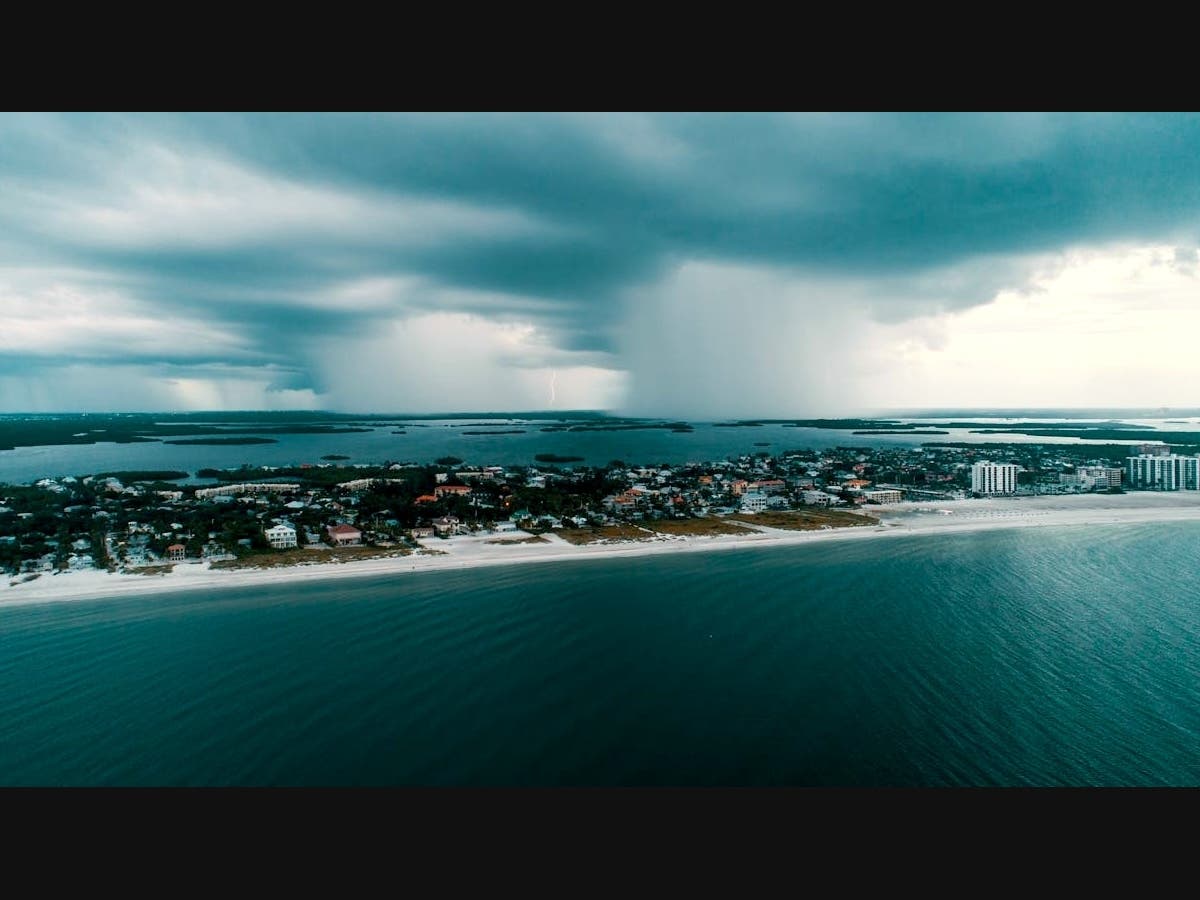
South Florida’s east coast, encompassing vibrant communities in Palm Beach and Broward Counties, faces unique challenges during the Atlantic hurricane season, which runs from June 1 to November 30. With the potential for torrential rains, flooding, and subsequent mold issues, residents and business owners must take proactive steps to protect their homes and commercial spaces. This guide offers a detailed guide tailored for South Florida, covering the hurricane season’s impact, how to prepare properties for heavy rainfall and flooding, the risks associated with water damage, where mold commonly appears, prevention strategies, the importance of having a professional mold remediation company ready to help with mold inspections, testing, and removal in Palm Beach and Broward Counties.
Understanding the Atlantic Hurricane Season in South Florida
From June to November, the Atlantic hurricane season brings the threat of tropical storms and hurricanes to South Florida’s east coast. Areas like West Palm Beach, Boca Raton, and Fort Lauderdale are particularly vulnerable due to their coastal location, where storms can deliver heavy rainfall, high winds, and storm surges. Recent storms, such as Hurricanes Helene and Milton in 2024, underscored the region’s susceptibility, prompting emergency measures like those issued by Governor Ron DeSantis to support recovery efforts, including mold mitigation, in affected counties.
South Florida’s warm, humid climate amplifies the risk of mold growth following water intrusion, making preparation and vigilance critical. By understanding the season’s challenges and taking preventive measures, property owners can minimize damage and protect their health.
How to Prepare Your Home or Office for Heavy Rain and Flooding
To shield your property from the impacts of heavy rain and potential flooding, consider these practical steps:
Find out what's happening in West Palm Beachfor free with the latest updates from Patch.
Fortify Your Property’s Exterior:
- Roof and Drainage: Inspect roofs for loose tiles or damaged flashing and clear gutters of debris to ensure proper water flow. A compromised roof or clogged drainage can lead to leaks and interior damage.
- Windows and Entrances: Apply caulk or weatherstripping to seal gaps around windows and doors. Installing hurricane shutters can provide additional protection against wind-driven rain.
- Yard and Foundation: Check for cracks in the foundation and use sandbags or barriers in low-lying areas. Slope landscaping to divert water away from the building.
Protect Valuables:
Find out what's happening in West Palm Beachfor free with the latest updates from Patch.
- Elevate important items like documents, electronics, and furniture to higher floors or shelves. Businesses should raise critical equipment, such as computers or inventory, above flood levels.
- Use waterproof containers for sensitive items to prevent water damage.
Invest in Flood Defenses:
- Install a sump pump with a battery backup in basements or flood-prone areas to remove water quickly.
- For commercial properties, consider flood barriers or temporary pumps, as used by South Florida’s water management districts during recent hurricanes.
Review Insurance Policies:
- Confirm that your insurance covers flood and water damage, as standard policies often exclude flooding. Explore options through the National Flood Insurance Program (NFIP).
- Take photos or videos of your property’s condition before the season to support potential insurance claims.
Develop an Emergency Strategy:
- Create a plan for evacuation or sheltering, especially in multi-story buildings like condos in Delray Beach or Pompano Beach. Stock emergency kits with essentials like water, food, and medical supplies.
- Businesses should establish a continuity plan to maintain operations and communicate with staff during storms.
Problems Caused by Heavy Rainfall in Residential and Commercial Properties
Heavy rain and flooding can lead to significant issues for properties in South Florida:
Structural Compromise: Water can erode foundations, weaken walls, and damage roofing materials. Soaked drywall or insulation may warp or collapse if not addressed promptly.
Electrical Risks: Floodwater can infiltrate electrical systems, creating hazards like short circuits or fires. For instance, a flooded Fort Lauderdale office building required extensive repairs after water damaged wiring and equipment.
Health Hazards: Floodwater often carries contaminants like sewage or chemicals, posing risks to occupants’ health.
Mold Proliferation: The region’s humidity fosters rapid mold growth, which can begin within 24-48 hours of water exposure. Mold can degrade air quality and trigger respiratory issues or allergic reactions.
Commercial properties may also face operational downtime, damaged stock, and potential legal issues if mold affects employees or clients.
Where Mold Commonly Appears After Heavy Rain
Mold flourishes in warm, damp, and poorly ventilated spaces, which are common in South Florida after storms. Watch for mold growth in these areas:
Basements and Low-Lying Areas: These spaces often collect water during floods, creating prime conditions for mold.
Bathrooms: Wet tiles, grout, or poorly ventilated areas around showers and sinks are susceptible to mold growth.
Kitchens: Leaks under sinks or behind appliances can foster mold, especially in humid conditions.
HVAC Systems: Moisture in air ducts can spread mold spores throughout a property, affecting indoor air quality.
Attics: Roof leaks or inadequate ventilation can lead to mold on insulation or wooden beams.
Walls and Ceilings: Water-soaked drywall or plaster is a common mold hotspot, particularly if not dried quickly.
Carpets and Furniture: Wet rugs, carpets, or upholstered items can harbor mold if left damp.
Mold Prevention Strategies for South Florida Properties
Preventing mold is essential to maintaining a safe and healthy environment. Here are effective tips:
Manage Humidity Levels:
- Use dehumidifiers in vulnerable areas like basements or storage rooms, keeping humidity below 60%, ideally 30-50%.
- Keep air conditioning running to reduce moisture, avoiding prolonged HVAC shutdowns in humid weather.
Dry Wet Areas Quickly:
- Address water damage within 24-36 hours using fans, air movers, or dehumidifiers. Remove and discard porous materials like carpets or drywall that cannot be fully dried.
Enhance Air Circulation:
- Ventilate spaces by opening windows when outdoor humidity is low, but close them during rainy or humid conditions.
- Install exhaust fans in bathrooms, kitchens, and laundry areas to reduce moisture buildup.
Address Leaks Immediately:
- Fix roof, plumbing, or appliance leaks promptly to prevent water accumulation.
- Regularly inspect pipes, HVAC units, and exterior seals for potential issues.
Use Mold-Resistant Products:
- Opt for mold-resistant drywall, paints, or sealants during renovations, particularly in flood-prone areas.
- Businesses can apply antimicrobial treatments or dry fog systems for ongoing mold prevention.
Schedule Regular Inspections:
- Look for signs of water damage, such as discoloration or musty smells, which may indicate mold.
- Arrange professional mold inspections annually or after storms to detect hidden growth.
Why Professional Mold Remediation Is Essential After Water Damage
When water damage occurs, professional mold remediation is often necessary to address mold effectively. South Florida’s climate accelerates mold growth, and amateur cleanup attempts can worsen the problem by spreading spores or missing hidden colonies. Professional mold remediation offers:
Comprehensive Mold Detection: Experts use tools like thermal imaging and air sampling to locate mold, even in concealed areas like walls or ducts.
Safe Mold Removal: Technicians contain affected areas to prevent spore spread and use specialized equipment for thorough mold elimination.
Health Protection: Professional mold service providers like Mold Only apply hospital-grade sanitizers to ensure spaces are safe for occupants.
Insurance Assistance: Reputable mold remediation companies coordinate with insurers to simplify claims, reducing stress for property owners.
DIY mold removal with household cleaners like bleach is often inadequate and may pose health risks, particularly for those with asthma or allergies. Professionals adhere to standards set by organizations like the EPA and IICRC, ensuring safe and effective results.
Preparing Your Property for Mold Remediation
If mold remediation is needed, preparing your home or office can streamline the process:
Stop Water Intrusion:
- Address the source of water damage, such as fixing leaks or sealing entry points, before remediation begins.
- Shut off water lines if needed to prevent further issues.
Clear the Work Area:
- Move furniture, equipment, or personal items from affected areas to a dry, safe location. This ensures technicians have unobstructed access.
- For businesses, relocate critical assets to minimize operational disruptions.
Facilitate Access:
- Provide clear pathways for remediation crews, ensuring safe entry and exit. In high-rise buildings, verify elevator functionality or arrange stair access, as seen in a Delray Beach condo affected by flooding.
- Notify technicians of hazards like damaged wiring or unstable structures.
Communicate Details:
- Inform the remediation team about the water damage incident, including its timing and any visible mold or odors.
- Discuss insurance requirements to ensure proper documentation.
Plan for Temporary Relocation:
- Severe mold issues may require vacating the property during remediation, especially if air quality is compromised.
Why Mold Only Is the Right Choice for Mold Services in Palm Beach and Broward Counties
For property owners in Palm Beach and Broward Counties, Mold Only is a premier provider of mold inspections, testing, and remediation. Here’s why they stand out:
Local Market Knowledge: Serving areas from Jupiter and West Palm Beach to Fort Lauderdale and Pompano Beach, Mold Only understands South Florida’s unique climate and mold challenges, delivering customized mold removal solutions.
Full-Service Approach: From quick and affordable mold inspections to complete remediation, they use advanced tools to detect and eliminate mold, including in HVAC systems and hidden spaces.
Proven Reliability: Clients praise Mold Only’s quick response times and professionalism.
Insurance Expertise: Mold Only collaborates with insurance providers to maximize coverage for testing and remediation, easing financial concerns.
Certified Excellence: A team of certified mold technicians follow industry standards, offering safe, effective services backed by a one-year workmanship warranty.
Contact Mold Only or call to schedule an affordable mold inspection. Their expertise ensures your property is restored to a healthy, mold-free state.
Getting Ready for The 2025 Atlantic Hurricane Season
Hurricane season in South Florida poses significant risks for commercial and residential properties, but proactive preparation can mitigate the impacts of heavy rain, flooding, and mold. By fortifying your home or office, addressing water damage swiftly, and adopting mold prevention measures, you can protect your property and health. When water damage leads to mold, professional mold remediation is critical to ensure thorough mold removal. In Palm Beach and Broward Counties, Mold Only provides expert mold inspections, testing, and removal, making them a trusted partner for hurricane season recovery. Act now to safeguard your property and rely on Mold Only for expert mold removal services near you in South Florida.