Neighbor News
Why Tech Billionaires Moving to Florida Matters for West Palm Beach Real Estate
When people at this level move, they bring their companies, their employees, and their networks with them.

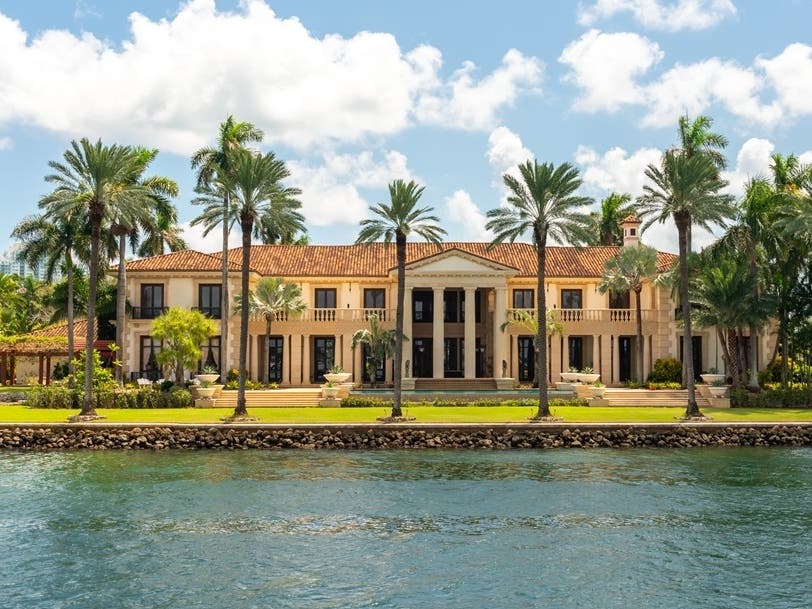
Mark Zuckerberg is moving to Florida. Jeff Bezos already moved. Larry Page, co-founder of Google, is here too. When you see this pattern of tech billionaires and CEOs relocating to South Florida, it tells you something important about where the market is headed.
These aren't just personal decisions. When people at this level move, they bring their companies, their employees, and their networks with them.
What California's Wealth Tax is Driving
California's new 5% wealth tax is triggering migration from tech founders and CEOs who are looking for more tax-friendly environments. Florida offers no state income tax, no wealth tax, and policies that are more welcoming to high-income individuals.
Find out what's happening in West Palm Beachfor free with the latest updates from Patch.
For Florida, this creates opportunity. We're becoming the tech hub that people are choosing over Silicon Valley, and that has ripple effects throughout the real estate market.
West Palm Beach as "Wall Street South"
Wells Fargo just moved their headquarters to West Palm Beach. Iconic developers from New York and Florida are investing heavily in new projects here. We've got eight developments either breaking ground or underway right now.
Find out what's happening in West Palm Beachfor free with the latest updates from Patch.
West Palm Beach is earning the nickname "Wall Street South" because hedge funds and asset management firms are relocating here. This isn't just about individual wealthy buyers. It's about entire companies and their workforces.
What This Means for the Market
When tech billionaires and major corporations move to an area, several things happen:
First, they bring their employees. A CEO doesn't relocate alone. They bring C-suite executives, senior staff, and eventually expand their local teams.
Second, they invest in the community. Mark Zuckerberg reportedly paid $200-300 million for his Florida property. That's not just a real estate transaction. That level of investment signals long-term commitment to the area.
Third, they attract other high-net-worth individuals. When your peers are moving somewhere, you start looking at it differently. South Florida becomes the place to be, not just for tax reasons but for the network and lifestyle.
The Bigger Picture for Buyers
Some people look at these moves and think, "Florida's market has slowed down." But when people with this much information and resources are still choosing to invest hundreds of millions in Florida real estate, that tells a different story.
If Mark Zuckerberg, who has access to the best advisors and market data in the world, thinks Florida is a good place to invest $200-300 million, maybe the market isn't as soft as headlines suggest.
Population Growth Supports Long-Term Value
When big companies move here, they bring job growth. Jobs bring population growth. Population growth creates demand for housing across all price points, not just luxury estates.
Tech companies need engineers, marketing teams, administrative staff, and support personnel. Those employees need places to live. They need schools for their kids. They need restaurants, shops, and services. That's how a regional economy grows.
What I Tell Clients About Market Timing
I'm not telling people to buy just because billionaires are moving here. But I am saying that if you're on the fence about Florida real estate, look at what informed buyers with significant resources are doing.
They're not waiting for perfect conditions. They're not trying to time the market. They're making moves based on long-term value and lifestyle preferences.
The same logic applies whether you're buying a $300,000 condo or a $3 million home. If the property works for your life, your budget, and your timeline, current market conditions favor buyers who are ready to act.
Infrastructure and Development Follow Money
When major corporations relocate to an area, infrastructure improvements follow. Roads get upgraded. Airports expand. Entertainment and dining options improve. Cultural institutions grow.
West Palm Beach is already seeing this. New restaurants, retail, and walkability improvements are making the city more attractive. That doesn't happen by accident. It happens because money and people are flowing into the area.
The Take for Local Buyers
You don't need to be buying luxury oceanfront property to benefit from these trends. A rising tide lifts all boats. When the area becomes more desirable to high-net-worth individuals and corporations, it increases demand across the market.
For buyers who have been waiting on the sidelines, these migration patterns should factor into your thinking. The wealthy and well-informed are betting on South Florida's future. They're not concerned about short-term fluctuations.
If you're looking at a five to seven year hold, which is what I always recommend, then buying while the market is balanced and before the next wave of demand hits makes strategic sense.
Don't try to catch the absolute bottom. Focus on whether the property works for your life and whether you can afford to hold it through market cycles. The rest tends to take care of itself.
Loodmy Jacques has worked in South Florida real estate for 17 years, serving Palm Beach County and surrounding areas.