Written by Wayne Sager, M.A., BCBA
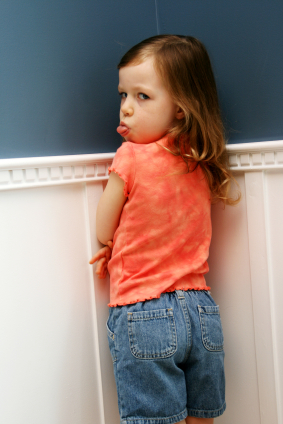
From time to time, all children (and adults) engage in annoying, inappropriate behavior that is not harmful to themself, others, pets, or property. We typically call this behavior junk behavior because it is inappropriate, but not harmful. For a young child, they may say “no,” or drop to the ground crying, while an older child may yell, roll their eyes, or just walk away while giving you the silent treatment.
Why:
Find out what's happening in Westchasefor free with the latest updates from Patch.
So why do we all engage in junk behavior? We do junk behavior because it works for us. Listed below are the major reasons why junk works.
1. Attention, items and activities: Junk often results in attention from peers and adults. Attention alone can be enough to keep the junk behavior going day after day. When a child gets items or activities (e.g. cookies or going to the park with friends after you’ve said, NO!) because they just pestered you long enough, chances are that they may pester you again in the future, even if there is only a small chance that you will give in to their demands.
Find out what's happening in Westchasefor free with the latest updates from Patch.
2. Escape/Avoidance: You place a demand that they would rather not do, they engage in the junk behavior, and now they get out of it, or at least it is delayed or made lesser in some way (e.g. you tell them that they have to eat all their green beans, they cry, and now you tell them to eat at least half of their green beans).
3. Automatic Reinforcement: If your child does a junk behavior and that junk behavior produces a sensation that reduces pain or stress or just feels good to the child. Some examples that may occur due to the sensation that they produce include: nail biting, fidgeting, making funny or loud noises, thumb sucking, rocking)
Pivot:
If your child is engaging in junk behavior for reason 1, 2, and/or 3, the most important thing that you can do is minimize the attention that you provide the child while they are engaged in the junk.
- If no demand was placed on your child, it may be sufficient to just ignore the junk behavior. For more information on Ignoring junk behavior, see the blog “How to Manage Junk Behavior.”
- If a demand was placed, you should keep the demand in place, while you ignore the junk behavior.
If you have more than one child, an excellent way to ignore the child’s junk is to pivot away from the child that is engaging in the junk and place your attention on the child that is behaving appropriately (you may even be able to pivot to an adult or pet). For instance:
- At dinner, one child is complaining about how gross the food is and how they never get to have the foods that they like. Instead of lecturing them on the benefits of healthy eating, bla, bla, bla, you turn to the other child at the table and say, “Wow, you must be really hungry.” “You’re such a good eater!” Then talk to them about their day, etc. When your child stops complaining and starts eating, go right back to them and ask them about their day. Compliment them on their good eating, once they have eaten some.
Pivot Steps:
1. Say nothing about the junk behavior. (For example: Don’t say, “Stop that now!” or “Quit doing that!”)
2. Do nothing to react to the junk behavior (for example: don’t roll your eyes, stomp out of the room, cross your arms, stare.)
3. Turn to another child. Depending on your kids, you may be able to tell the other child that you like their behavior. For instance, if one child is whining and complaining about having to brush their teeth and your other child goes and starts brushing right away, you could say, “Wow you are so fast at going to brush your teeth!” With some children you may want to just provide additional attention to the child behaving appropriately. You can ask them about their day or what they are doing or engage with them in the activity they are doing.
4. Immediately once the child who displayed junk behavior behaves appropriately; acknowledge the appropriate behavior of this child. Don’t forget to come back to the child and provide praise and/or attention when they begin to act appropriately.
Helpful Tips:- Small children often respond well to specific praise, “Joe, you’re doing such a great job helping Dad pick up the toys.” With older children, you may need to use more subtle praise or provide attention in a more subtle manner, “Hey thanks for helping, so tell me more about that car you saw on the way home.”
- It is common for the junk behavior to get temporarily worse before it gets better. This really depends on the reason for the junk behavior and the child’s ability to use an alternative appropriate behavior to get that same need met. If your child does not know what they should be doing in the situation (you’ve never seen them do an appropriate behavior in that same situation) then you should check out the blog: Just redirect that behavior?
- Some children will aggress against you, property, or the other child when you stop giving them attention during the pivot. If aggressive behavior occurs, the behavior must be stopped while still providing the least amount of attention possible. Please contact info@bcotb.com for a specific behavior assessment and plan to address any dangerous behavior.
- If your child is engaging in the behavior because it produces its own reward (reason 3 above), you may find that the behavior continues even though you are pivoting. Your child may need a certified behavior analyst to assess their behavior and develop a specific intervention for your child. For more information you can contact us directly at info@bcotb.com.
Need help figuring out the function of your child’s behavior? Is your child engaging in a particularly persistent or dangerous behavior? Please feel free to contact us directly at info@bcotb.com.
Reference: