Neighbor News
Smartphone Use While Driving Grows Beyond Texting to Social Media, Selfies and Video Chat
New research from AT&T shows 7 in 10 people engage in smartphone activities while driving.
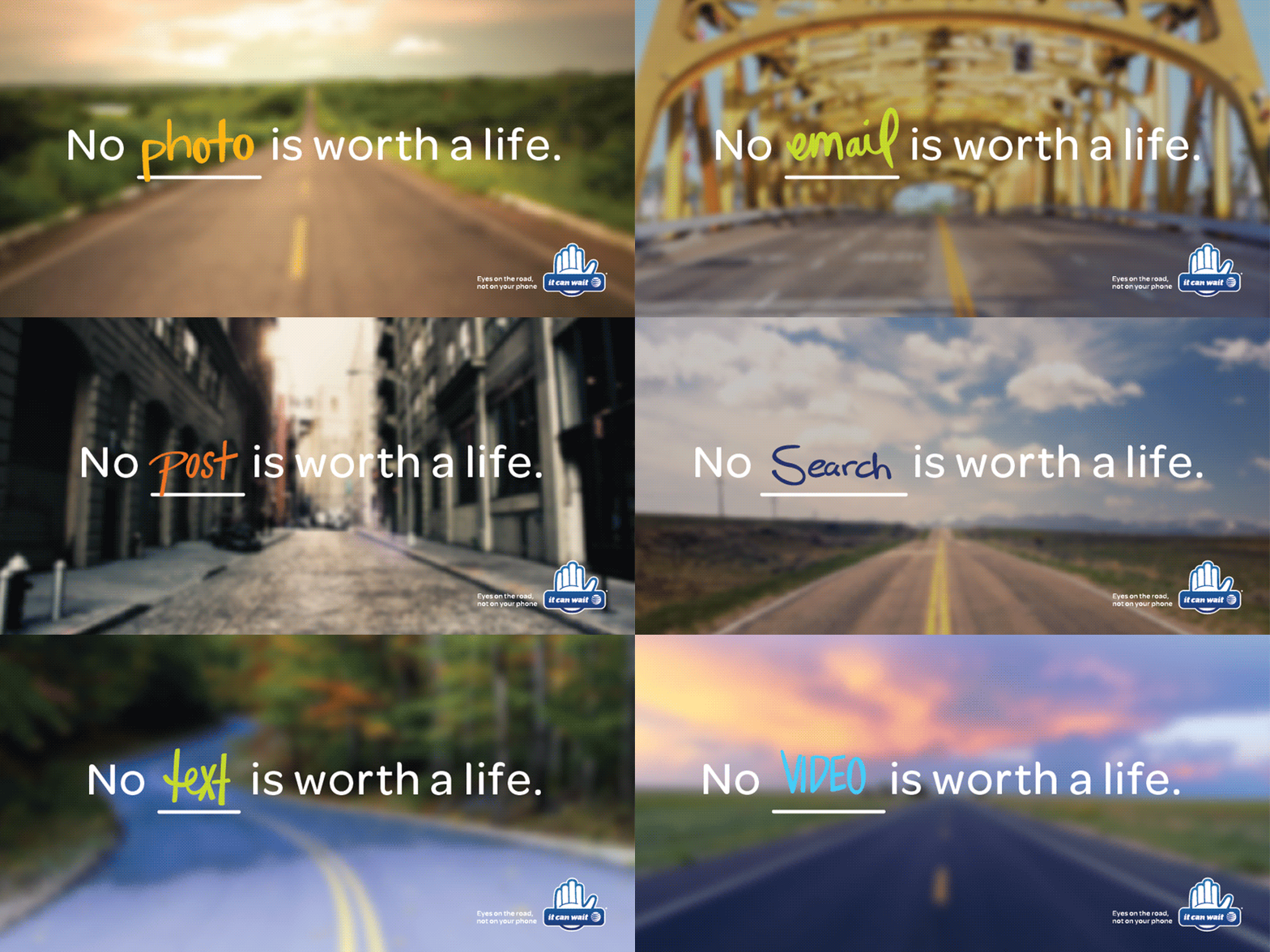


When you see the driver next to you looking at their phone, it’s no longer safe to assume they’re texting. New research from AT&T shows nearly 4 in 10 smartphone users tap into social media while driving. Almost 3 in 10 surf the net. And surprisingly, 1 in 10 video chat.
Seven in 10 people engage in smartphone activities while driving. Texting and emailing are still the most prevalent. But other smartphone activity use behind the wheel is now common. Among social platforms, Facebook tops the list, with more than a quarter of those polled using the app while driving. About 1 in 7 said they’re on Twitter behind the wheel.
AT&T will expand the It Can Wait® campaign from a focus on texting while driving to include other smartphone driving distractions that have emerged as our relationships with our devices have changed.
Find out what's happening in Westchasefor free with the latest updates from Patch.
“When we launched It Can Wait five years ago, we pleaded with people to realize that no text is worth a life,” said Lori Lee, AT&T’s global marketing officer. “The same applies to other smartphone activities that people are doing while driving. For the sake of you and those around you, please keep your eyes on the road, not on your phone.”
Smartphone activities people say they do while driving include:
Find out what's happening in Westchasefor free with the latest updates from Patch.
· Text (61%)
· Email (33%)
· Surf the net (28%)
· Facebook (27%)
· Snap a selfie/photo (17%)
· Twitter (14%)
· Instagram (14%)
· Shoot a video (12%)
· Snapchat (11%)
· Video chat (10%)
Other unsettling findings include:
· 62% keep their smartphones within easy reach while driving.
· 30% of people who post to Twitter while driving do it “all the time.”
· 22% who access social networks while driving cite addiction as a reason.
· Of those who shoot videos behind the wheel, 27% think they can do it safely while driving.
Some regional differences:
· Those in the South are more likely than those in the Midwest or West to glance at social networks while driving (28% vs. 22%, respectively)
· Those in the South are more likely than those in the West to post to Facebook while driving (16% vs. 12%, respectively)
· Those in the South are more likely than those in the Midwest to glance at/post to Twitter while driving (16% vs. 11%, respectively)
AT&T will use the survey findings to help drive awareness of the dangers of smartphone use behind the wheel, and to encourage life-saving behavior change. It will collaborate with social platforms to share the message, and will launch a nationwide virtual reality tour this summer to help people understand that it’s not possible to drive safely while using a smartphone.
Twitter will collaborate with AT&T to share messages on their platform about the dangers of smartphone use behind the wheel.
Samsung, Bose and Google will support the immersive tour experience, which will be delivered through Samsung Gear VR, with premium sound from Bose QuietComfort® 25 Acoustic Noise Cancelling® Headphones. Google Cardboard will make it possible for people to use their own smartphones to see the 3D virtual reality program.
Since its launch in 2010, the It Can Wait campaign has:
· Helped drive awareness of the dangers of texting while driving to about 90% for all audiences surveyed.
· Inspired more than 6.5 million pledges not to text and drive.
· Worked with departments of transportation in Texas, Kentucky and other states on research that suggests a correlation between It Can Wait campaign activities and a reduction in crashes.
Watch our new It Can Wait video here and visit www.ItCanWait.com to learn more .