Health & Fitness
National Parks Lifetime Senior Pass: 2 Days To Get Yours Before Prices Increase (Here's How)
There's less than 48 hours left to buy your lifetime senior pass to U.S. national parks, including Georgia sites, before prices jump.


Hundreds of senior citizens are rushing to get their National Parks Service Senior Pass before the price for the lifetime pass increases dramatically at the end of the month, thanks to legislation passed by Congress in December. The price of the America the Beautiful-The National Parks and Federal Recreational Lands Senior Pass will go up to $80 starting Monday, Aug. 28.
Currently, the pass costs $10, and the price has not gone up since 1994, so naturally the parks service is seeing a huge surge in demand and is struggling to keep up. While the lifetime Senior Pass will cost $80, the legislation also established an annual Senior Pass, valid for one year from the date of issuance, which will cost $20. The parks service also says that four annual Senior Passes purchased in prior years can be traded for a lifetime pass.
In Georgia, the parks include 10 diverse sites, from north Georgia battlefields to the pristine Atlantic coast. If you want to stay close to the area, check out Prince William Forest Park or Great Falls Park. (SIGN UP: Get Patch's Daily Newsletter and Real Time News Alerts. Or, if you have an iPhone, download the free Patch app.)
Find out what's happening in Buckheadfor free with the latest updates from Patch.
If you currently have a Senior Pass, rest assured it will remain valid for your lifetime. If you lost your pass or it was stolen, you will need to apply for a new one. Anyone who is a U.S. citizen or permanent resident aged 62 or older is eligible for the Senior Pass. The pass not only admits the pass owner for free but also allows free entry for traveling companions.
So, if you want to purchase a senior pass before the price jumps, here's how:
Find out what's happening in Buckheadfor free with the latest updates from Patch.
- Senior passes can be purchased at any federal recreation site, including national parks, that charge an entrance or standard amenity (day-use) fee. (See a complete list of sites where the pass is available.)
- You can buy the pass online or through mail from the USGS, though that'll cost you an extra $10 processing fee.
The parks service said it is overwhelmed with demand — more than 250,000 online and mail-in applications have been submitted this year compared to previous highs of 33,000 passes — and to address the backlog it is printing and distributing hundreds of thousands of passes to sites that sell them. They are also increasing staff at the online processing center.
If you buy your pass online and haven't yet received your printed pass, you can use your order confirmation along with a photo ID to enter a national park. Similarly, if you buy your pass at a physical location that is out of printed passes, you will be issued a rain check that can be used to enter parks. The parks service advises anyone buying a pass at a physical location to contact the agency to ensure that it is not out of rain checks.
Georgia’s national parks include:
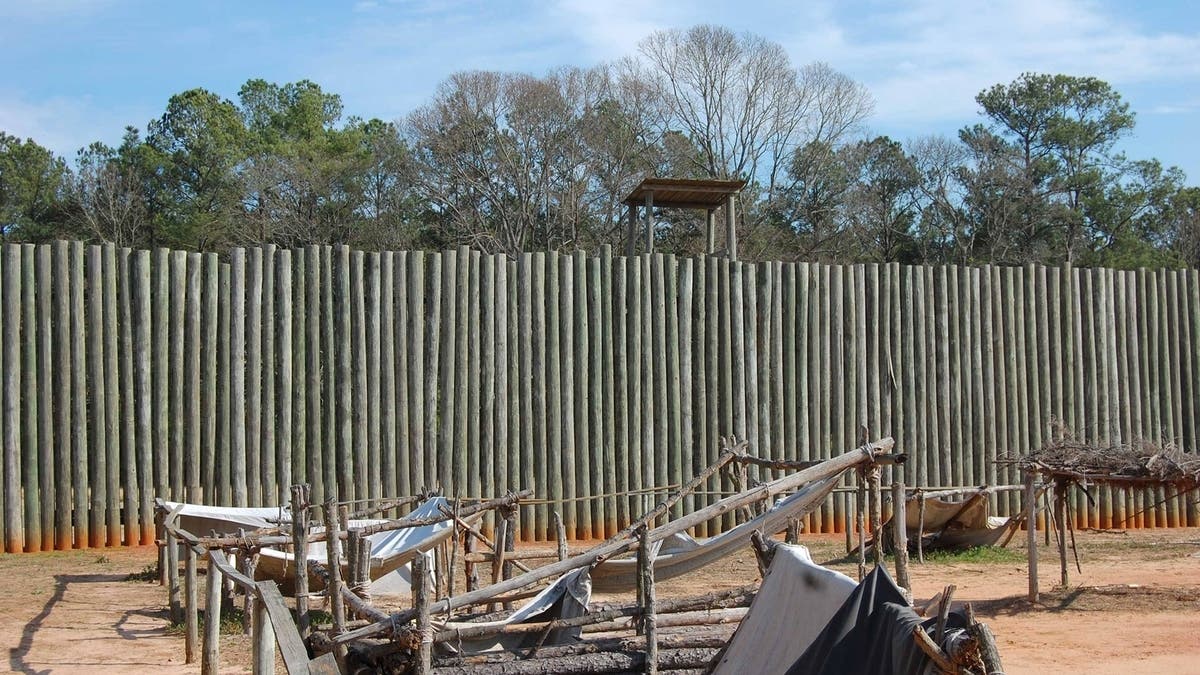
This site serves as a memorial to all prisoners of war throughout the nation's history. Andersonville, or Camp Sumter, as it was officially known, was one of the largest of many Confederate military prisons established during the Civil War. During the 14 months the prison existed, more than 45,000 Union soldiers were confined there, and almost 13,000 died.
Chattahoochee River National Recreation Area
Picnic, hike or get some boating in at this Atlanta-area park. The park features 48 miles of river and is rich in both human and natural history. "Shoot the Hooch," hike the trails or simply relax at this getaway from the busy, big-city world.
Chickamauga & Chattanooga National Military Park
Union and Confederate forces fought a battle here in 1863 for control of Chattanooga, which is just across the border in Tennessee. The Confederates won at Chickamauga in September, but Union troops rallied for a final victory in Chattanooga in November. The park was created in 1890 to preserve and commemorate these battlefields.
Cumberland Island National Seashore
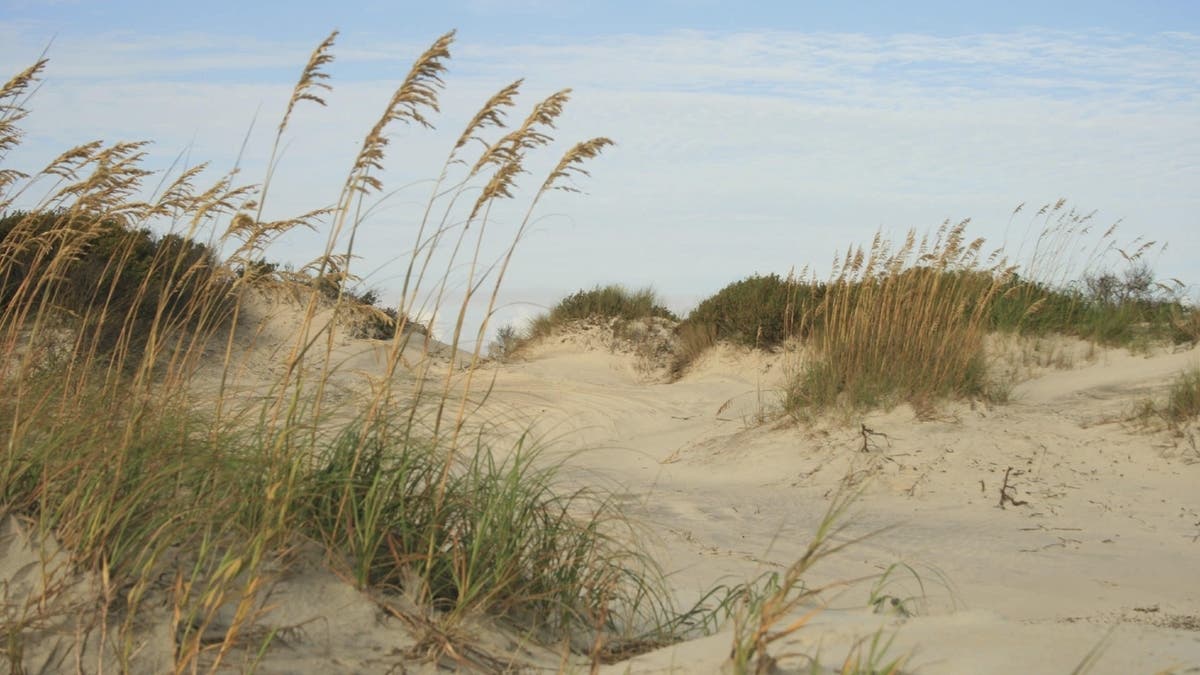
Georgia's largest and southernmost barrier island is full of undeveloped beaches, forests and marshes. Totaling more than 36,000 acres, the island features early native settlements, wild horses, turkeys, turtles and other wildlife and historic structures.
Fort Frederica National Monument
This is a spot where British and Spanish forces clashed during Georgia's colonial days. The fort held, ensuring Georgia's future as a British colony. The fort was established in 1736 to protect the then-relatively new colony of Georgia, which had been founded just three years earlier.
Fort Pulaski National Monument
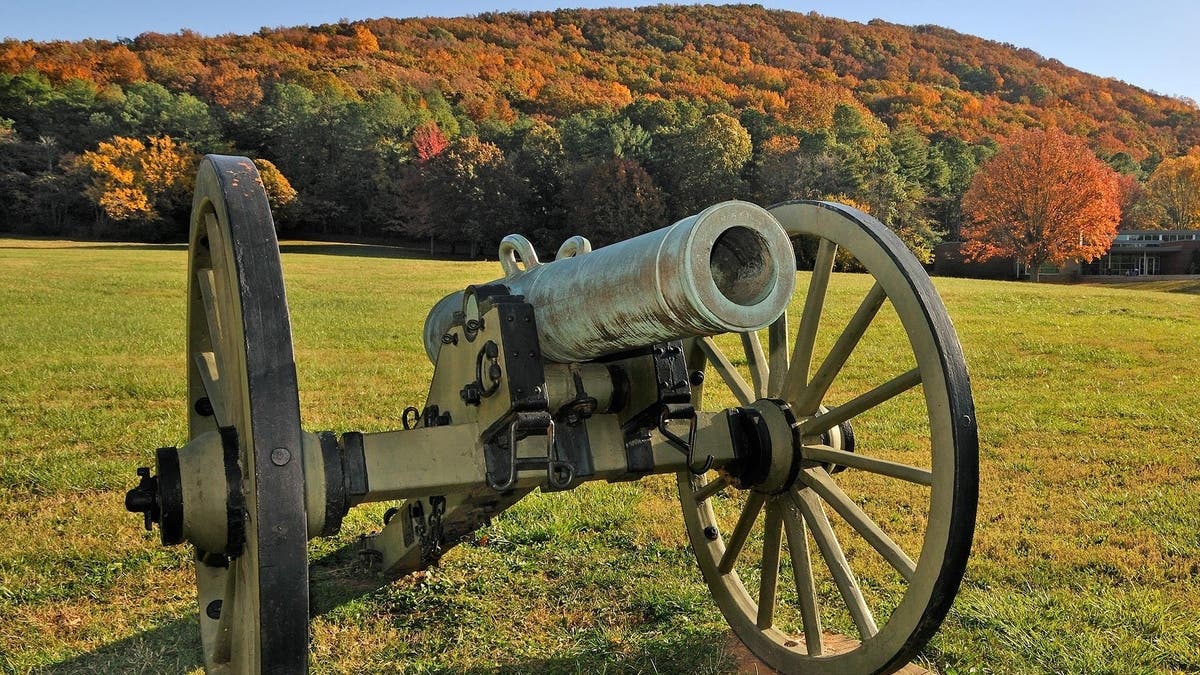
Sitting between Savannah and Tybee Island, Fort Pulaski was a Confederate outpost that fell to Union troops, thanks largely to new rifled cannon technology that, in effect, made brick forts obsolete. Today, the park includes scenic marsh and other wilderness areas that support white-tailed deer, alligators and raccoons as well as resident and migratory birds.
Jimmy Carter National Historic Site
The site includes President Carter's boyhood home, farm, school and the railroad depot that served as his campaign headquarters during the 1976 election. The Carters returned to Plains after he left office in 1981.
Kennesaw Mountain National Battlefield Park
The 2,888-acre park was the site of some of the Civil War's heaviest fighting during the battle for Atlanta. It commemorates the 67,000 soldiers who were killed, wounded and captured during the entirety of the Atlanta Campaign.
Martin Luther King Jr. National Historic Site
It was in the home, church and neighborhood on this historic site that King grew up. Located in a residential section of Atlanta's "Sweet Auburn" district, the site includes Ebenezer Baptist Church, where the civil rights icon, like his father and grandfather, preached.
Ocmulgee National Monument
A prehistoric Native American site, Ocmulgee is a memorial to the region's earliest peoples. There is evidence of 12,000 years of human activity at the site, including a skilled farming people who lived there from 900-1200 AD.
Out of the 417 national parks in the U.S., 59 sites include “National Park” as part of their proper name such as Acadia, Everglades, Grand Canyon, and Yellowstone.
You can find a complete searchable listing of national parks based on state, region or park name.
— Includes reporting by Patch Editor Feroze Dhanoa
Photos of Martin Luther King Jr. statue and other park sites courtesy National Park Foundation
Get more local news delivered straight to your inbox. Sign up for free Patch newsletters and alerts.