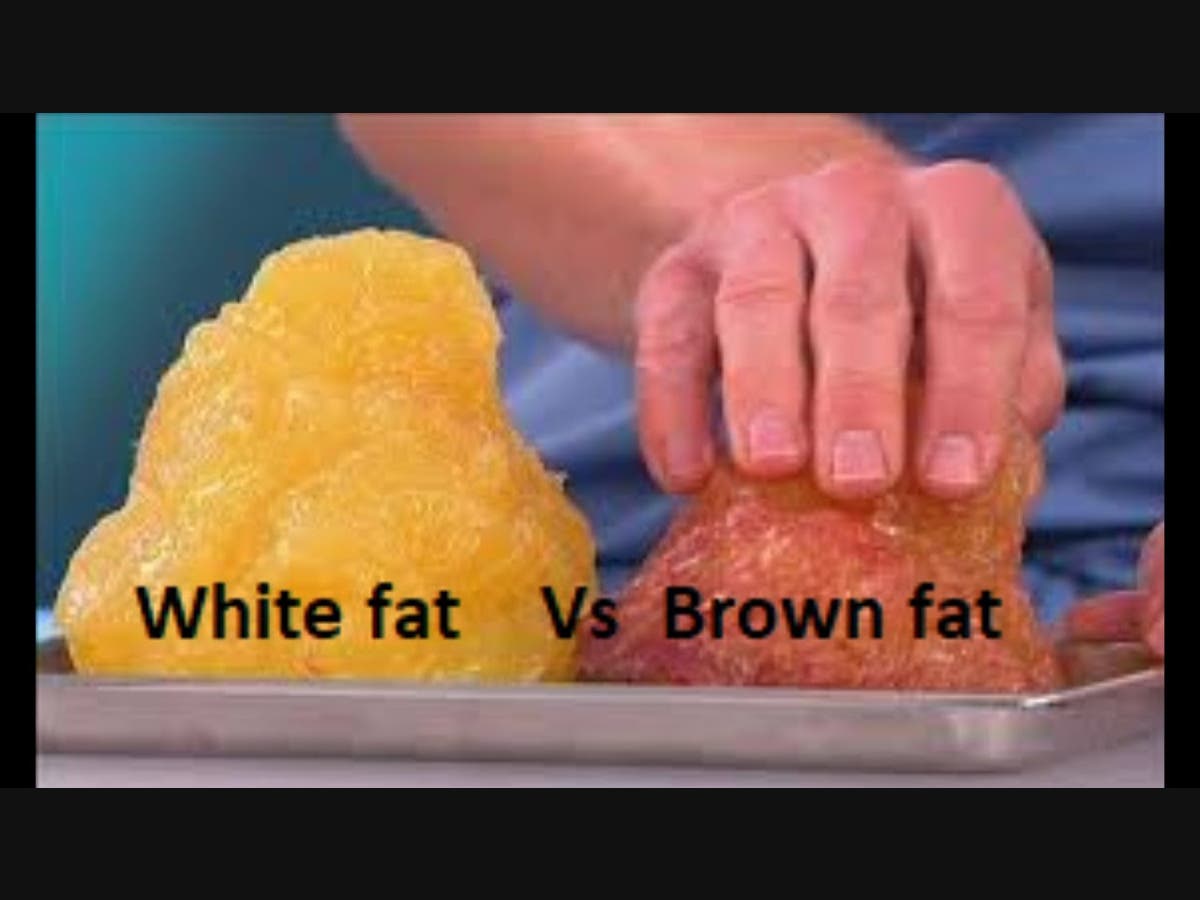
A new study published in the Journal of Nature Medicine 2021 reported that individuals with brown adipose tissue (aka brown fat) had a lower prevalence of type 2 diabetes, dyslipidemia, coronary artery disease, cerebrovascular disease, congestive heart failure, and hypertension. These findings were supported by improved blood glucose, triglyceride, and high-density lipoprotein values.
So, compared to white adipose tissue (aka white fat), brown fat has more iron-rich mitochondria, thus making its color brownish. Mitochondria works like an engine in a car, which turns the fuel glucose into ATP for energy in body cells. However, the membrane of mitochondria in brown fat has UCP protein, which shortcuts the pathway of ATP production in mitochondria into heat production. Newborn babies have more brown fat tissues, without shivering, they are cold resistant. Brown fat diminishes as we are older and develop shivering to increase body heat. Why babies don’t shiver is still unknown.
Most brown fats are found in the neck and upper shoulder area in adults. Cold acclimatization is the process by which you become physically adjusted to the temperature of your environment. For example, taking a cold shower for 2 min. each time, a few times per week, or staying in a house below 66 degrees can significantly help in raising brown fat.