Health & Fitness
First Sexually-Transmitted Zika Case Confirmed in Georgia
The woman's partner had traveled to Brazil, where he contracted the virus, health officials say.


Georgia's first sexually transmitted case of the Zika virus has been confirmed, health officials say.
The Georgia Department of Public Health says a non-pregnant woman was infected by her male partner, who had traveled to Brazil earlier this year and was among the state's confirmed travel-related cases of Zika.
The woman who was infected has not traveled outside the country.
Find out what's happening in Decatur-Avondale Estatesfor free with the latest updates from Patch.
Both she and her partner have fully recovered, the health department said in a news release.
To date, there have been 17 confirmed travel-related cases of Zika virus in Georgia.
Find out what's happening in Decatur-Avondale Estatesfor free with the latest updates from Patch.
There are no confirmed cases of people acquiring the virus locally.
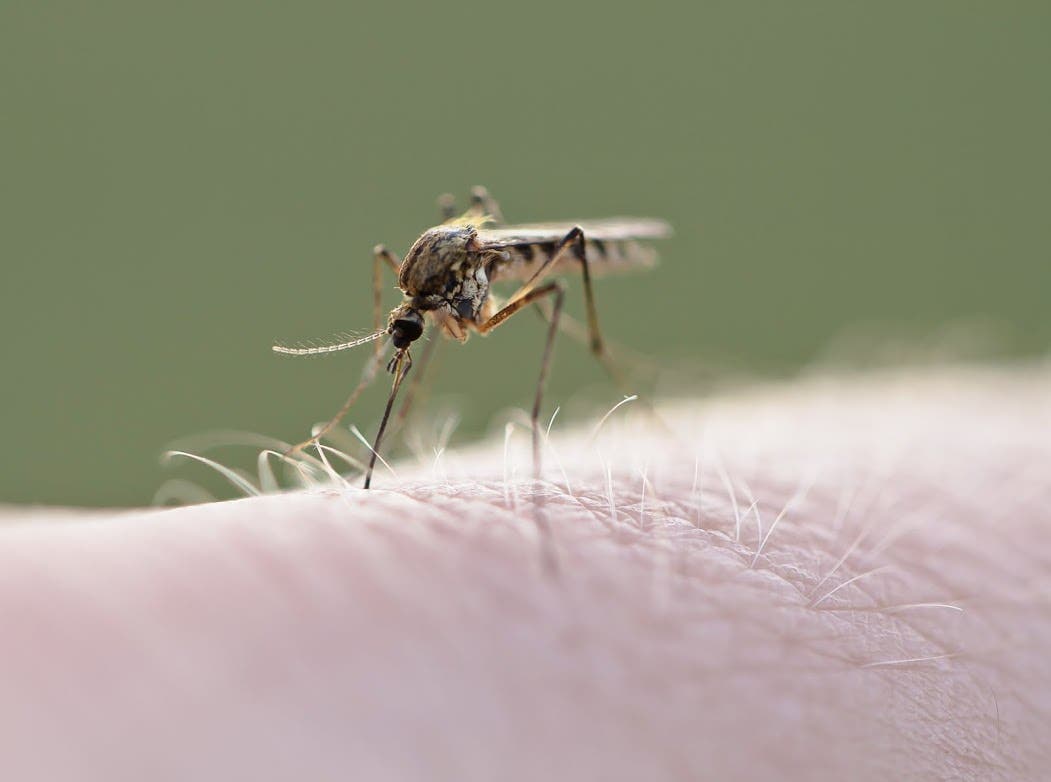
Zika virus is transmitted primarily through the infected bite of two specific kinds of mosquitoes. Both of those species are found in Georgia.
But a man infected with Zika also can pass the virus on to a sex partner, before, during or after symptoms appear. A recent report indicated Zika can be sexually spread for 62 days, the health department said.
At this time, there is no evidence women can sexually transmit Zika to their partners.
"If your partner has traveled to an area where Zika virus transmission is ongoing, protecting yourself by abstaining from sex or using condoms during sex is the best way to prevent sexual transmission of the Zika virus,” said Dr. Brenda Fitzgerald, commissioner of the Georgia Department of Public Health.
"Next to abstinence, condoms are the best prevention method against any sexually transmitted infection."
In adults, the symptoms of Zika are relatively mild. They include a rash, joint pain, conjunctivitis and a slight fever. Most people who contract the virus don't even show those symptoms, experts say.
But the virus has been connected to birth defects in places it has spread, such as Brazil. Specifically, the virus is linked to microcephaly, a birth defect in which the baby is born with a smaller-than-normal head due to abnormal brain development.
Currently, there is no vaccine to prevent or treat Zika.
Travelers to regions where the virus has been prevalent are urged to take precautions to avoid mosquito bites, including wearing long sleeves, pants and socks and using insect repellents.
Get more local news delivered straight to your inbox. Sign up for free Patch newsletters and alerts.