Autoimmune diseases occur when the body’s immune system attacks its organs. They are a varied group of more than 100 illnesses. The most common ones include multiple sclerosis, rheumatoid arthritis, lupus, celiac disease, etc.
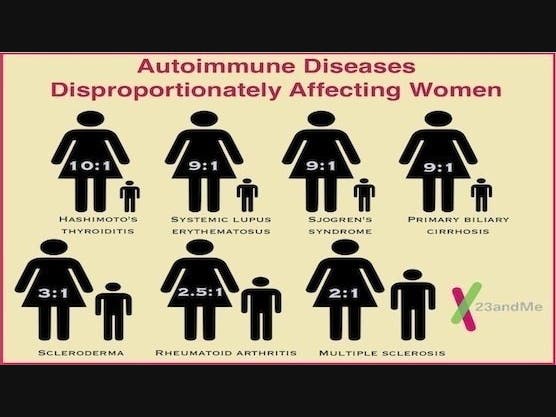
National Institutes of Health (NIH) report that the prevalence of autoimmune diseases is rising, affecting more than 23.5 million Americans. In addition to genetic factors, there are many triggers including stress, poor diet/lifestyle, lack of exercise, insufficient sleep, and smoking. Research estimates that autoimmune diseases are twice as likely to affect women as men. Two possible reasons including genetics- women have two X chromosomes while men have one, which increases chances of gene mutations. Hormonal changes- autoimmune diseases tend to affect women during major endocrine transitions, such as puberty, pregnancy, and menopause. These changes influence the immune system in significant ways, making autoimmune diseases more prevalent in women. Currently, there are no known cures for autoimmune disorders. However, patients can still lead healthy, fulfilling lives with pharmacological intervention and/or lifestyle changes.