Politics & Government
Dunwoody raises its fee for stormwater maintenance
City has hundreds of stormwater pipes that are more than 35 years old, city officials say
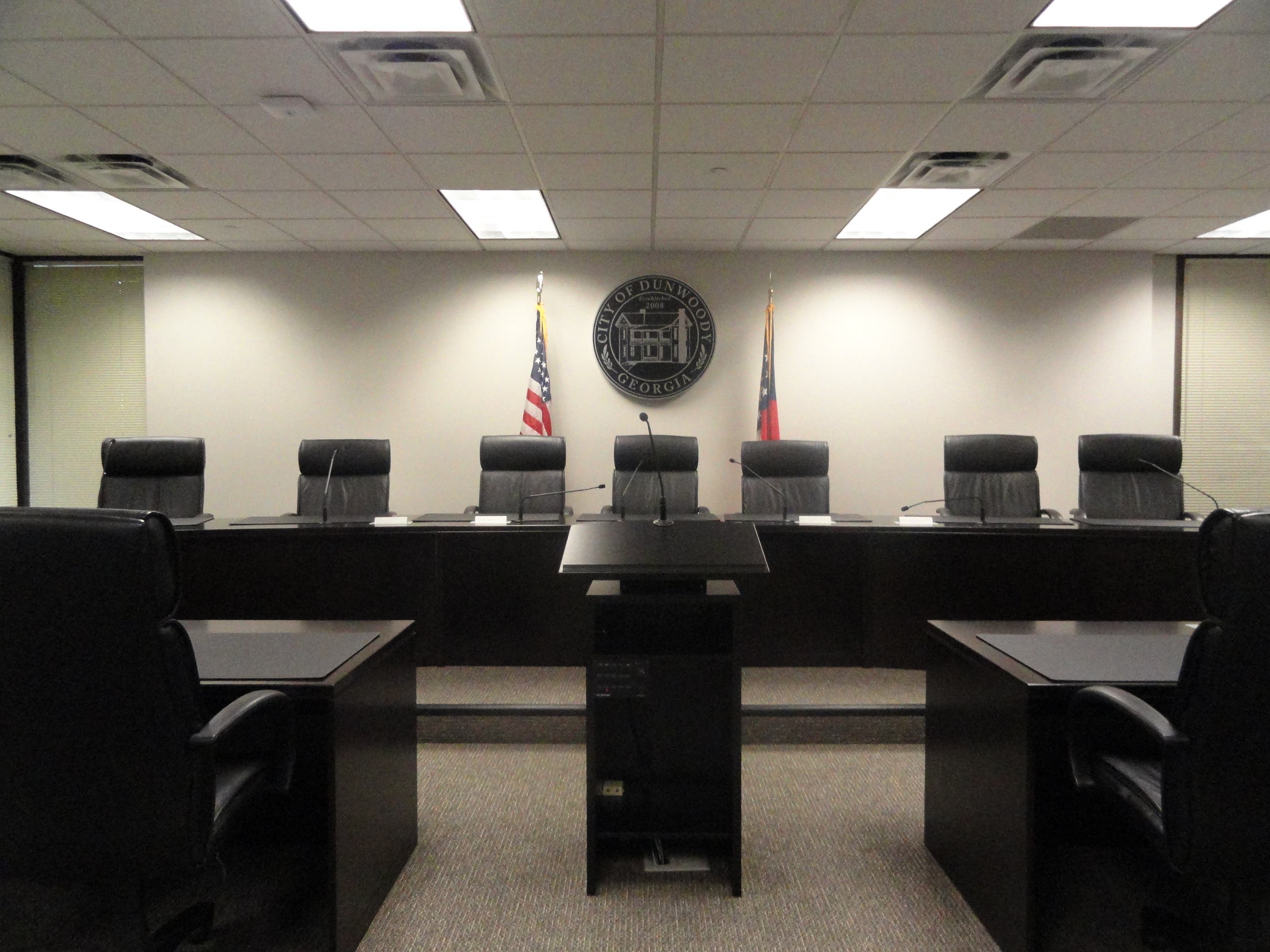
The Dunwoody City Council approved an increase Monday night to the city's rate to repair and maintain the city's aging stormwater system.
The rate will increase to $5.75 from $4 for a single-family residence in the city. The new rate adds up to $69 per year for a single-family home, according to a city estimate.
The increase will provide Dunwoody with about $925,000 per year to repair, maintain and replace a city inventory of 5,700 stormwater structures and 69 miles of pipe.
Find out what's happening in Dunwoodyfor free with the latest updates from Patch.
The vote was unanimous on the issue. Councilmen Doug Thompson and Denis Shortal did not attend the meeting.
Some council members said they were not necessarily in favor of raising the fee on homeowners, but decided that the state of disrepair in the system required it.
Find out what's happening in Dunwoodyfor free with the latest updates from Patch.
“We’re in the middle of a race to repair these pipes before we have” a major problem, said Councilman Terry Nall.
The city currently has about 300 metal stormwater pipes older than 35 years, which is considered their useful life. A number of components in the system have been identified for replacement through citizen reports or through an inventory of the system.
The cost of the backlog for repair or replacement is estimated at about $3.3 million and would take about six years to complete at current funding levels, according to a city report.
The city took over the utility in 2009 after it incorporated and broke away from DeKalb County. Dunwoody has been maintaining the system for two years and has a feel for the costs associated with maintaining it, city officials said.
The current annual funding of $525,000 from the current $4 fee was not enough to cover the repairs last year and required the city to dip into reserves, said Michael Smith, head of the city’s public works department.
He said the department looked at the revenue generated by the increased fee “a few different ways” and decided the $925,000 generated per year would be enough to cover the costs during most years.
While the fee will increase to $5.75 per single family residence, all other developed land will be charged $5.75 for each 3,000 square feet of impervious surface, and rounded to the next highest tenth of an equivalent residential unit, according to the city's resolution.
Councilwoman Adrian Bonser said that no one on the council wanted to increase the rate. But city officials realize “it’s a matter of time before they break.”
Before the city took over the system, it had little knowledge of the status of the stormwater pipes and structure and had no access to the county information regarding it.
The former $4 residential rate was adopted by DeKalb County in 2003. It’s unclear if there was a rate before that dedicated to maintaining and repairing the system, said city officials.