Neighbor News
After Hurricane Isaias: Practical Steps Toward a Safe Recovery
After the storm, learn how to check your property, document damage, contact your insurer, and choose reputable contractors.

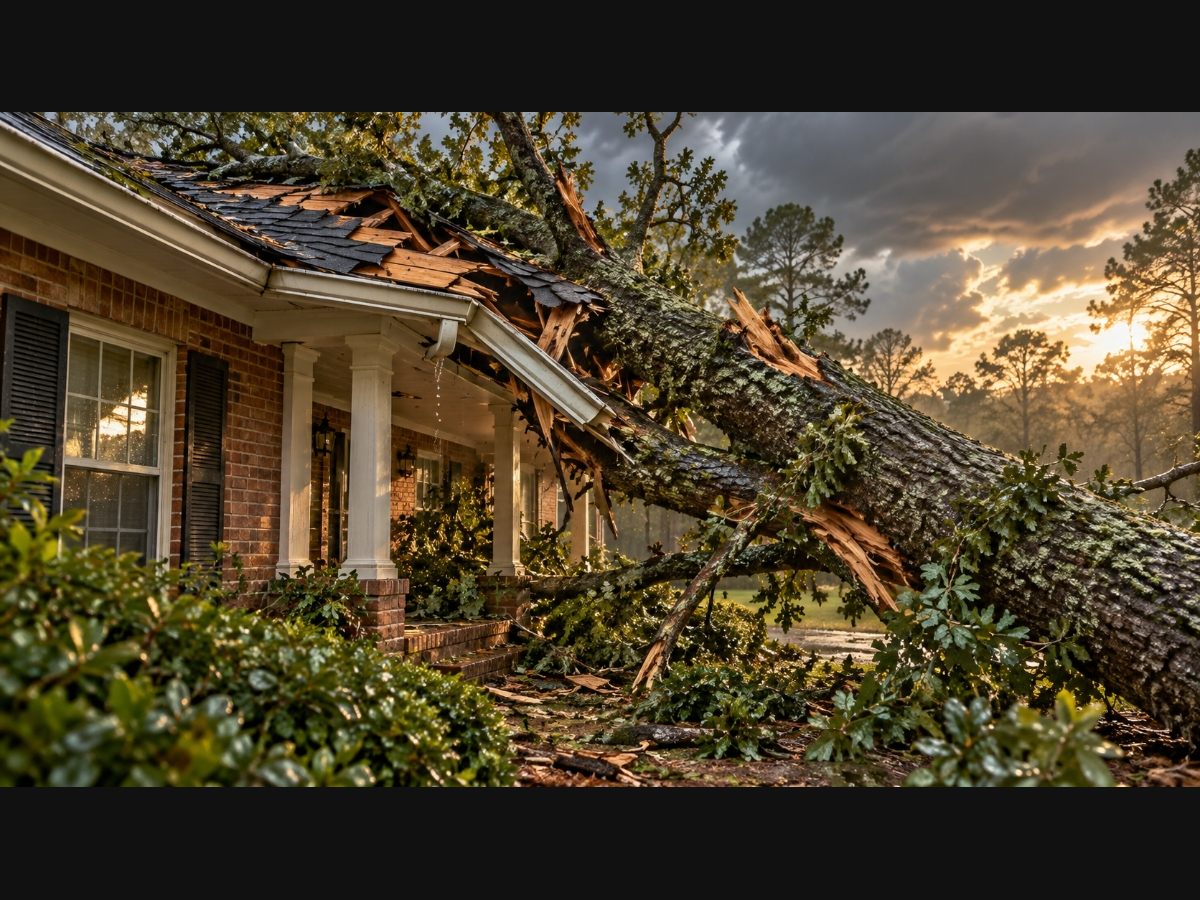


When the winds settle and the rain begins to ease, there is a natural sense of relief. But for families facing fallen trees, power outages, roof damage, or water inside their homes, the storm’s aftermath brings another set of challenges.
Hurricane Isaias made landfall near Destin, Florida, on Friday, October 9, 2026, as a Category 2 hurricane before moving north into Alabama. Its effects extended beyond the coastline, with power outages reported across Florida, Alabama, and Georgia. For affected residents, recovery begins with assessing what happened and deciding what to do next.
There is no need to solve every problem at once. A thoughtful sequence—protect people, assess the property, document damage, and arrange qualified help—can make an overwhelming situation more manageable.
Find out what's happening in Gwinnettfor free with the latest updates from Patch.
Start With Safety
Find out what's happening in Gwinnettfor free with the latest updates from Patch.
The end of the strongest winds does not mean every danger has passed. Continue monitoring local emergency alerts, road closures, and weather updates. If you evacuated, return only when officials say it is safe.
Stay away from downed power lines, flooded roads, and damaged structures. If you smell gas or see signs that a building may be unstable, leave the area and contact emergency services or the appropriate utility. Do not enter a home surrounded by floodwater simply to retrieve belongings.
During an outage, operate portable generators outdoors, at least 20 feet from doors, windows, and vents. Never run one inside a garage, even with the door open. Use a battery-powered carbon monoxide detector and flashlights for lighting.
Check Your Property Carefully
Once conditions are safe, begin with a visual inspection from the ground. Look for missing shingles, damaged siding, broken windows, displaced gutters, fallen branches, and debris against the building. Leave roof climbing and work around damaged trees to qualified professionals.
Inside, look for new ceiling stains, damp walls, wet flooring, and water around windows or exterior doors. Note anything that has changed since before the storm. Avoid entering flooded crawl spaces or walking beneath sagging ceilings.
A home that appears intact from the street may still need attention. If something looks questionable, arrange an assessment before assuming the property is ready for normal use.
Document Damage Before Cleanup
Before moving damaged belongings or beginning repairs, take clear photographs and videos wherever it is safe to do so. Capture wide views to show the location of the damage, followed by close-ups that show the details.
Create a written inventory of affected belongings. Include descriptions, approximate purchase dates, and available receipts. Photograph appliance and electronic serial numbers when accessible.
The National Flood Insurance Program recommends documenting damage before cleanup and retaining repair receipts. Photograph items that must be discarded because they pose a health risk; do not keep unsafe materials indoors solely for an insurance inspection.
Keep your photos, estimates, invoices, and correspondence together in one folder. An organized record can make later conversations easier.
Contact Your Insurance Company Promptly
If you discover damage, notify your insurance company or agent. Ask what information is needed, how to submit documentation, and what the next steps will be. Record your claim number and keep notes of conversations.
Discuss reasonable emergency measures to prevent additional damage, along with any temporary housing needs. Keep receipts, but do not assume every expense will be reimbursed. Coordinate permanent repairs with your insurer so the damage can be evaluated appropriately.
Ask specifically about your deductible and the cause of the damage. Wind damage and flooding may be treated differently. Standard homeowners policies generally exclude flood and storm-surge damage, which typically requires separate flood coverage. Hurricane or named-storm deductibles may also apply, depending on the policy.
Address Water Damage Without Taking Unnecessary Risks
Water damage deserves prompt attention once the property is safe. The Centers for Disease Control and Prevention recommends drying a home and its contents as quickly as possible, ideally within 24 to 48 hours.
Flood-soaked materials that cannot be cleaned and dried within that period may need removal. Wear appropriate protective equipment during cleanup, and use electrical drying equipment only after electricity is safe to use. Never mix cleaning products or paint over mold as a substitute for correcting the moisture problem.
When contamination, extensive damage, or unsafe conditions are involved, seek qualified assistance. Fast action should still be careful action.
Choose Contractors With Care
Storm recovery can create pressure to hire the first person available. Take time to verify the company’s identity, references, insurance, and any license required for the work.
Request a written scope and contract describing the work, price, payment schedule, and anticipated timeline. For substantial repairs, compare estimates when practical. Be cautious of anyone demanding full payment upfront, asking you to sign blank documents, or pressuring you to commit immediately. These are warning signs identified by the Federal Trade Commission.
A reputable contractor should welcome questions and explain what you are authorizing.
Recovery Is a Community Effort
After addressing immediate needs, check on neighbors, especially older adults and people who may need help accessing supplies or reliable information. Share verified updates and respect the limits of what you can safely do.
Give yourself permission to recover in stages. Property damage can interrupt routines and create uncertainty, but each completed step brings greater clarity.
Overcoming a storm begins with protecting people and making informed decisions. With patience, good documentation, and dependable support, families and communities can move forward—one safe step at a time.