Politics & Government
Mayor Reed and City of Atlanta Call for Strengthening Our Nation's Water Systems
Atlanta joins 30-city consortium in pushing for increased investments in water infrastructure


From the City of Atlanta
On Capitol Hill today, the City of Atlanta joined a group of public water utility leaders to educate the public about the benefits of water infrastructure investments for job creation and economic vitality. This group is among a 30-city consortium that plan to collectively invest $233 billion in operating and improving municipal water systems over the next 10 years.
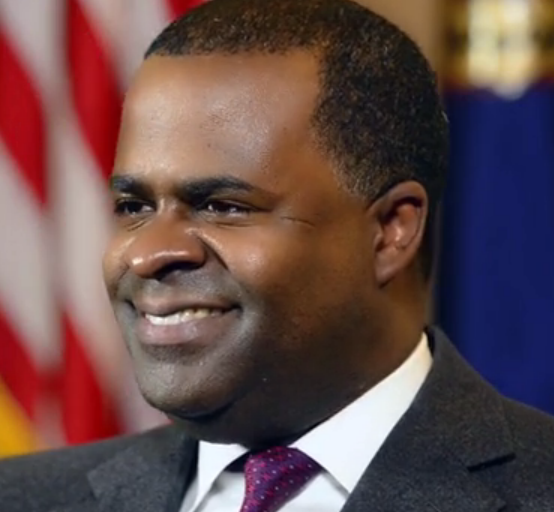
“Atlanta’s future, and the future of all cities across the United States, will depend on how well we can continue to provide a safe and reliable water system by efficiently replacing aging pipes while adding new, sustainable infrastructure that will allow continuing economic development,” said Mayor Kasim Reed, a committee chair of the U.S. Conference of Mayors. “The City of Atlanta has a leadership role in this nationwide effort to invest in water infrastructure, which will serve as a catalyst for economic development that leads to jobs and helps train up the next generation of water professionals. The City is about to launch its single largest water project at a cost of $250M that will give Atlanta a more reliable water system for the next 100 years.”
Find out what's happening in Midtownfor free with the latest updates from Patch.
According to new research by the Water Research Foundation and the Water Environment Research Foundation, the utilities are responsible for 36,500 high-quality, direct jobs that help workers enter the middle class and further grow American competitiveness. More than 289,000 permanent jobs will be supported annually over the next decade. One-fifth of the U.S. economy relies on a reliable and clean water supply. In the metropolitan Atlanta area, 5 million people depend on the Chattahoochee River for their drinking water.
Jo Ann J. Macrina, Commissioner of the City of Atlanta’s Department of Watershed Management, was one of a dozen national utility leaders at today’s Build America Infrastructure Investment Summit in Washington that demonstrates the widespread recognition of the water sector’s economic importance. Commissioner Macrina will contribute to a roundtable discussion on the importance of making adequate investments in our nation’s water infrastructure.
Find out what's happening in Midtownfor free with the latest updates from Patch.
“Our economy, public health, and environmental sustainability rely on a well-maintained water system,” said Commissioner Macrina. “We are investing heavily in our water infrastructure and doing so in a manner that helps bolster Atlanta’s workforce and sharpens our competitive edge. We are always looking for innovative ways to deliver clean water more efficiently to all of Atlanta’s citizens.”
The Department of Watershed Management has a strong record on water infrastructure. Most recently, Watershed Management successfully reached its latest federal consent decree milestone by completing the Peachtree Creek Capacity Relief Project and citywide sewer rehabilitation on time and under budget by $50 million dollars.
The $40 million Peachtree Creek Capacity Relief Storage Tank & Pump Station will alleviate sewer overflows during heavy rain in the Peachtree Creek basin. The tank just west of Cheshire Bridge Road and bordering the CSX rail right-of-way, will store up to 10 million gallons of water and is equipped with a state-of-the-art self-cleaning and odor control system.
To meet federal consent decree obligations for sewer rehabilitation, Watershed Management inspected all of the City’s 1,600 miles of sewer lines that will lead to more than 380 miles of repair work, resulting in a drastic reduction in sewage spills. More than 119 miles of sewer mains were repaired ahead of EPA’s July 1, 2014 milestone deadline. All sewer rehabilitation will be completed by July 2027.
Watershed Management is also focused on improving water quality in our streams and has implemented new green infrastructure policies to reduce stormwater pollution. The program has received national recognition. Green infrastructure helps minimize stormwater runoff, which in turn reduces flooding and pollution that occurs when untreated runoff flows through storm drains into streams and creeks. Many green infrastructure techniques, including preservation of green space, installation of permeable pavement, and bioswales, are being implemented. Such techniques not only reduce the volume of runoff, but remove pollutants as well.
These efforts will support Mayor Reed’s goal of making Atlanta a top-tier city for sustainability.
Get more local news delivered straight to your inbox. Sign up for free Patch newsletters and alerts.