Politics & Government
Midtown Journalist Testifies on Sunshine Law Draft
Matthew Cardinale makes suggestions to the state legislature.
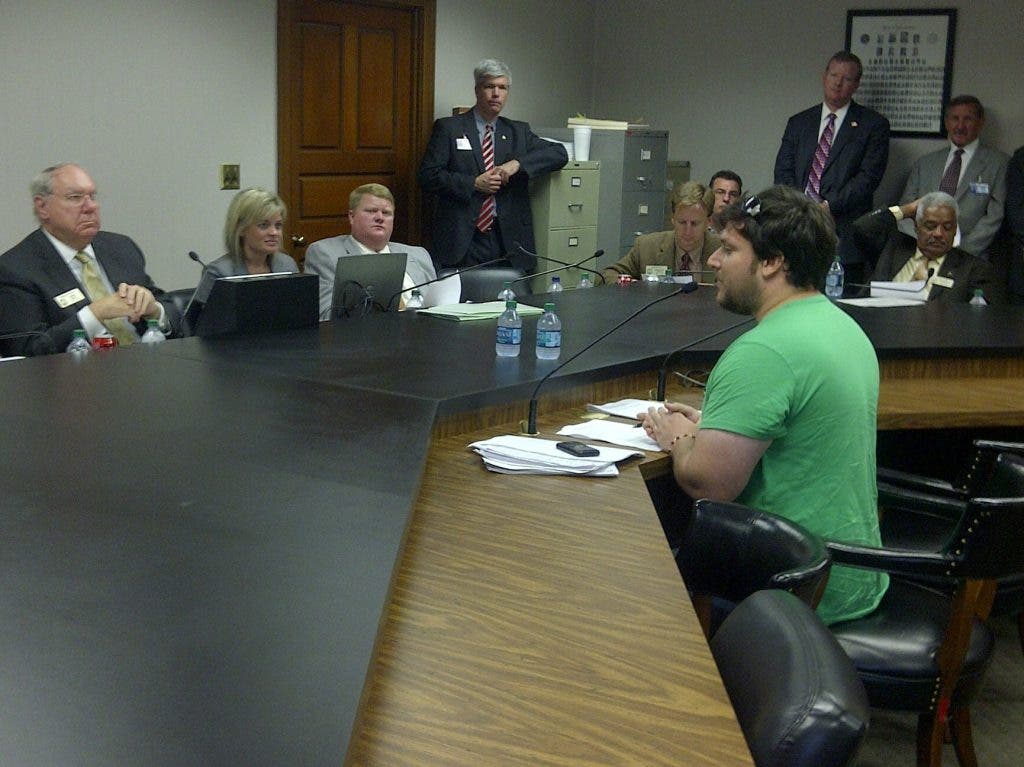

Attorney General Sam Olens' proposed amendments to Georgia's government transparency rules are very favorable, but might still allow secret votes, suggests Midtown journalist Matthew Cardinale.
"I think there's still a loophole," Cardinale told the state House panel in charge of ethics legislation at an Aug. 30 hearing.
The editor of Atlanta Progressive News is intimately familiar with the subject: he and the city of Atlanta will meet in the this October in a case about the interpretation of Georgia's current law. Cardinale took the to get results of a vote held at a city council retreat where the council members took a vote but did not reveal the tally.
Find out what's happening in Midtownfor free with the latest updates from Patch.
Today's language, two lower courts have ruled, allow minority dissent in votes to go unrecorded. Thus the official record can officially show simply "passage," no word of naysayers.
Cardinale submitted some alternate language to the House panel that simply states that names of persons voting against proposals or abstaining "shall be recorded."
Find out what's happening in Midtownfor free with the latest updates from Patch.
He applauded the new law's language that makes it clear all debates must be in public. "The City of Atlanta has been doing one of the things the AG mentioned, a meeting before a meeting," said the reporter. "So what we get to see is a vote. They've already made up their minds."
The new proposal, House Bill 397, would specifically ban gatherings of less than a quorum of county commissioners, city council members or other elected bodies, if it's for the purpose of settling business behind the scenes.
That’s one of several statewide abuses Olens named during the same hearing.
There are also examples beyond Atlanta Public Schools of governments destroying records in order to keep them out of the public view. And of government asking for thousands of dollars to provide documents, simply as a way to try and evade requests.
One private attorney also testifying suggested some edits too, including a provision to compensate attorneys who press public interest lawsuits regarding the open records and meetings acts.
Said Cardinale: "I've had to do this myself, with no legal training so that’s a real issue."
He, personally, is planning to argue his case before the Georgia Supreme Court. The Attorney General's office is expected to issue a brief in his support.
"It's kind of become the epic battle between good and evil," Cardinale said, likening his fight to David and Goliath. "They have all these resources at their disposal."
The bill will come up for debate and passage during the state legislature's regular session which starts in January. Some edits may be made to the law.