Politics & Government
U.S. Supreme Court Strikes Down Key Portion of Voting Rights Act
U.S. Rep. John Lewis (D-GA) said Tuesday's decision "put a dagger in the heart" of the 1965 landmark legislation.


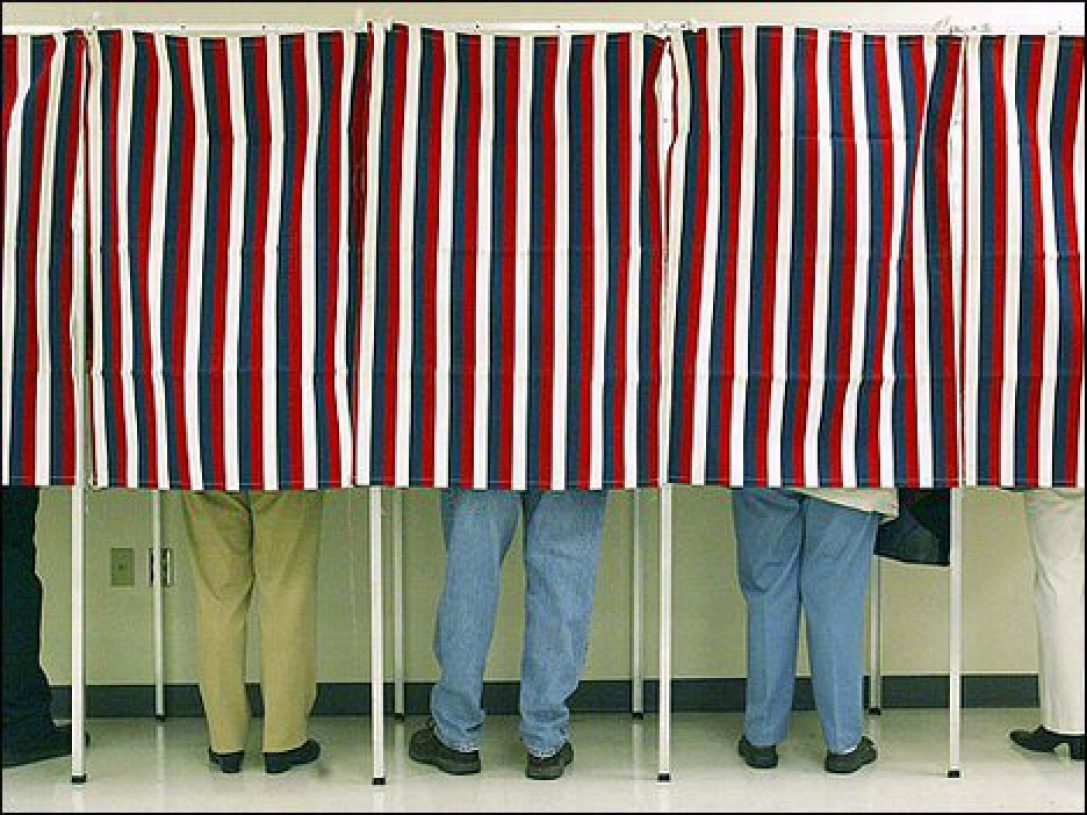
The United States Supreme Court on Tuesday struck down an important component of the 1965 Voting Rights Act, ruling that Congress had not presented adequate justification for federal supervision over voting laws for nine state including Georgia.
By a 5-4 decision, the court upheld a civil rights ruling that enforces states to get advance approval from the justice department to change their voting rules at the state, city or county level, but said the formula for which jurisdictions are covered is outdated and would need to be updated by Congress.
The decision was written by Chief Justice John Roberts, who wrote, “Our country has changed, and while any racial discrimination in voting is too much, Congress must ensure that the legislation it passes to remedy that problem speaks to current conditions.”
Find out what's happening in Midtownfor free with the latest updates from Patch.
The court was mulling the fate of the Voting Rights Act in Shelby County, Ala., v. Holder, a lawsuit claiming that Section 5 of the act is unconstitutional.
Section 5 applies to nine U.S. states, including Georgia. Under Section 5, jurisdictions covered by these special provisions could not implement any change affecting voting until the Attorney General or the United States District Court for the District of Columbia determined that the change did not have a discriminatory purpose and would not have a discriminatory effect. Those states affected by Section 5 were selected based on having a history of voter suppression.
Find out what's happening in Midtownfor free with the latest updates from Patch.
The court did not strike down Section 5, but it is now without significance since the coverage formula of Section 4 was tossed out and ruled unconstitutional by the majority.
Rep. John Lewis (D-GA) told ABC News that the decision "put a dagger in the heart" of the landmark legislation. The Civil Rights leader has been a longtime supporter of the Voting Rights Act and referenced his participation in the Bloody Sunday” march on Selma, Ala., in 1965
“This act helped liberate not just a people but a nation,” Lewis told the news outlet. “We don’t want to go back. I’m shocked, dismayed, disappointed. I take it very personally. I gave a little blood on that bridge for the right to vote, for the right to participate in a Democratic process.”
In a statement following the ruling, Georgia Attorney General Sam Olens said: “When the Voting Rights Act was passed in the 1960s, several states and local jurisdictions, including Georgia, discriminated against minority voters. Discrimination is wrong, and Section 5 was an appropriate response.
I am pleased, however, that the Supreme Court recognized today that, “[n]early 50 years later, things have changed dramatically. The Voting Rights Act will continue to protect the rights of all voters in all states, but will no longer treat some states differently based on outdated formulas that, thankfully, no longer reflect current practices. Section 2 of the Voting Rights Act makes clear that racial discrimination in voting is illegal nationwide, and remains a strong and effective tool to counter discrimination.”
Atlanta voting right attorney Bryan Tyson said at Georgia Pundit: “This decision shifts the burden back to those challenging election changes to show discrimination instead of requiring certain states and counties to prove that there is no discrimination for each and every change. And the decision puts the states back on equal footing. The prior preclearance regime singled out certain states based on an admittedly-horrible history. Now any future preclearance will have to be based on current problems.”
What are your thoughts on Tuesday’s ruling by the United States Supreme Court?
Lindsay Street contributed to this story
Get more local news delivered straight to your inbox. Sign up for free Patch newsletters and alerts.