Health & Fitness
Avoiding Swimmer's Ear This Summer
Avoid Swimmer's Ear by learning what it is and using simple interventions to enjoy your time at the pool.
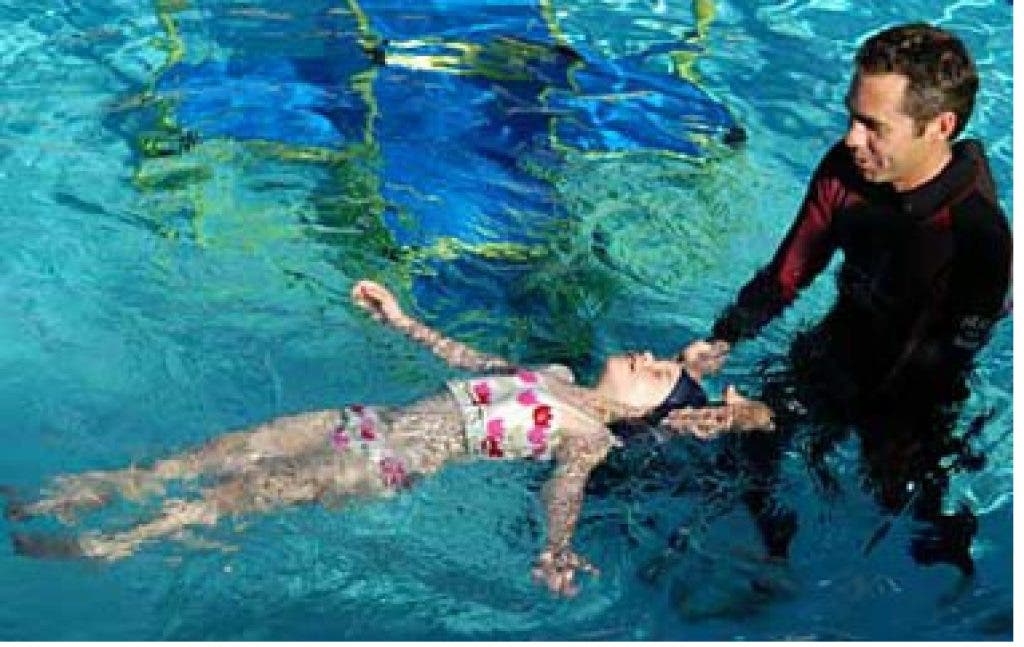
With school almost over and subdivision pools about to come alive again, I thought swimmer’s ear would be a good topic. This form of ear infection occurs more in the summer. If your child is a swimmer, he or she is 5 times more likely to get swimmers ear. It is not contagious and it is a minor preventable condition. There are some interventions that parents and care givers can do to prevent this painful aquatic dermatosis.
The external ear canal is the site, in which, swimmer’s ear occurs. The ear canal contains non uniformed thickness of epithelial tissue. This means that hair follicles and oil glands are not distributed evenly. These glands produce ear wax (cerumen) and this wax helps keep the ear clean. The outer one third of the ear is thick because it supports cartilage. The other two thirds of the ear is thinner tissue. This unevenly distributed ear canal is normally without infection because cerumen and hair follicles help keep the ear clean.
The recipe for swimmer’s ear is the following:
Find out what's happening in Northeast Cobbfor free with the latest updates from Patch.
- Moisture- Normally water runs out of the ear. Residual water that is left behind evaporates due to warm body temperature when all things go correctly. If water becomes trapped in two thirds of the ear canal, it will be stagnant. This pooling of water will cause that protective epithelial layer to macerate and become compromised. Chlorinated pool water especially aggravates skin breakdown more than pond, lake or sea water. Puncture wounds can also damage to this protective lining. Sometimes people can clean an ear with cotton swabs, bobby pins or other objects that can damage this lining.
- Infection- A germ can invade because the protective layer is damaged.
- Organisms- Bacteria or fungi love 98.6 degree temperatures and that is the same core temperature as your head. You can find germs all around and they can find you.
- pH- The normal ph (acid/base balance) in your ear is 4-5. This number means that your ear tends to be acidic in nature. Organisms hate this ph but when the pH increases to 6-7, your ear is left unarmed and organisms will grow that are not supposed to be present.
Mix all these previous ingredients together and you have made a swimmer’s ear.
The symptoms include:
Find out what's happening in Northeast Cobbfor free with the latest updates from Patch.
- A painful ear canal within 1 to several days after exposure.
- Swelling in the ear canal.
- Pain in the ear with chewing or when your mouth is open.
- Redness of the ear canal opening.
- Fever
- Enlarged lymph nodes around the neck if the infection enters into the middle ear.
- Ear fullness or a feeling of heaviness in the ear. If your child should have some discharge coming from his/her ear and you experience enlarged lymph nodes, contact your primary care provider. Your child will need an antibiotic. If the pain necessitates an ear drop, your doctor can give you a topical analgesic that you can apply to the ear. At times, your PCP can even prescribe a topical steroid to decrease the inflammation. If your child receives medications from the PCP, please remember that all pool activities will stop until the medication regime is finished. Antibiotic treatment is usually for 7-10 days.
Preventing Swimmer’s Ear is your best defense. Some simple interventions will keep your youngster free of swimmer’s ear all summer long. These proactive measures are the following:
- Gently towel dry ears when out of the water.
- Tilt and shake your head to help drain excess water.
- Some PCP’s suggest ear plugs with Vaseline jelly to block out water. I personally feel that ear plugs pop out and these plugs and the Vaseline can irritate the canal. Investing in plugs can also be an unwanted expense.
- Over the counter ear drops can help maintain a normal pH that can inhibit germs from invading.
- Using a homemade ear drop solution of one half white vinegar and one half rubbing alcohol can also maintain a normal ph. The vinegar decreases the pH and the alcohol helps with fluid evaporation. Only use about 2 drops per ear.
- Please remember that if your child has tubes in his or her ears due to frequent ear infections then the pH maintenance drops listed in interventions 4 and 5 should NOT be used.
- Do not clean out ear wax (cerumen) unless it is easily visible. Using cotton swabs can push the ear wax further into the ear and cause water to be stuck in the ear. Using objects in the ear can cause that thin layer of tissue to be damaged. A puncture wound could set your child up for yet another infection.
A little prevention goes a long way. It is far better to prevent this unnecessary problem than to treat it. See you at the pool.