Health & Fitness
Northside Hospital Offers New Tool To Detect Rare Tumors
The new equipment aims to to locate, stage and restage rare neuroendocrine tumors (NETs) in patients.

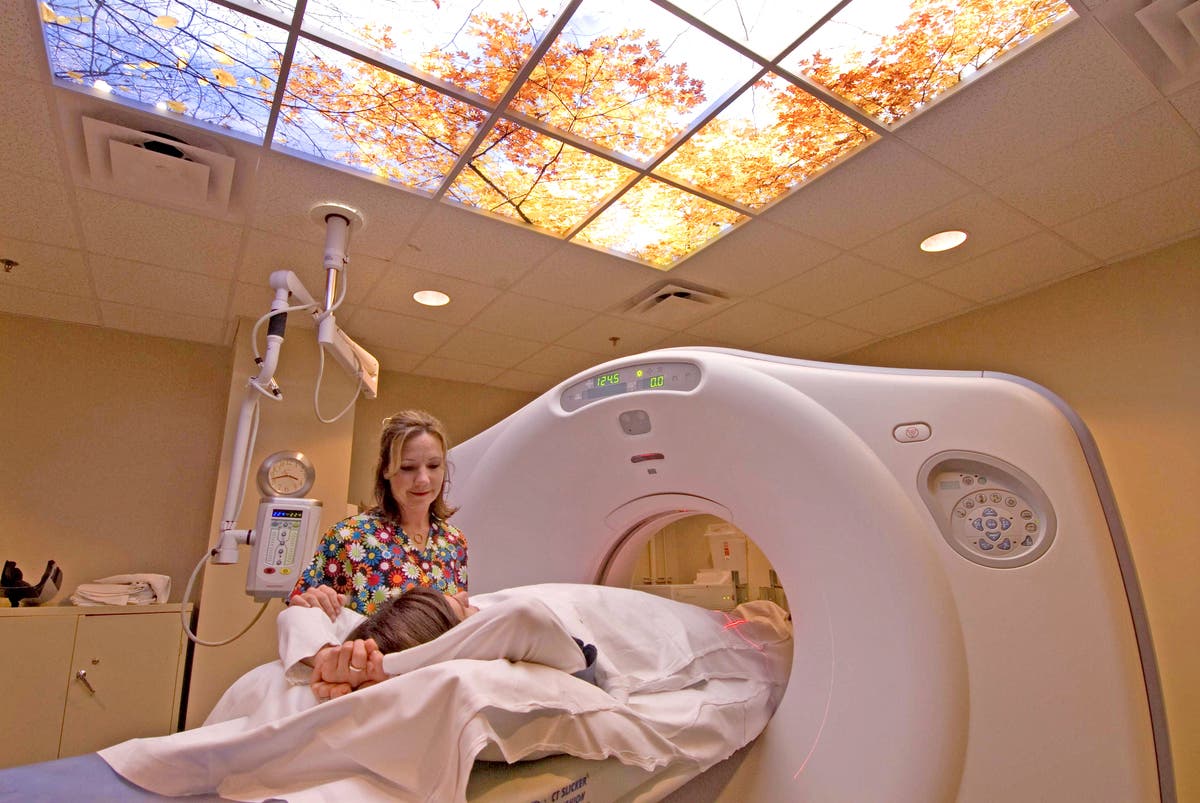
From Northside Hospital:A new tool available at Northside Hospital aims to locate, stage and restage rare neuroendocrine tumors (NETs) in patients, helping doctors find disease that they were unable to see before.
More than 12,000 people in the United States are diagnosed with NETs each year, according to the Neuroendocrine Tumor Research Foundation. NETs develop in the hormone-producing cells of the body’s neuroendocrine system.
Most NETs are not harmful. They often form in the intestine, pancreas or lungs, but sometimes trigger a rare form of cancer that can be difficult to diagnose with current imaging techniques.
Find out what's happening in Sandy Springsfor free with the latest updates from Patch.
The Northside Hospital Cancer Institute is one of the largest and most respected providers of cancer care services in the Southeast and treats more than 300 newly diagnosed cases of NETs year. The hospital is one of only a handful in the Southeast to offer NETSPOT®, a product recently approved by the U.S. Food and Drug Administration for the preparation of Gallium-68 (Ga-68) dotatate for PET/CT (positron emission tomography – computed tomography) imaging.
“NETSPOT provides a more sensitive and specific imaging tool to determine location of disease, for staging and restaging of patients with well-differentiated and moderately-differentiated NETs,” said Dr. William C. Lavely, nuclear medicine specialist at Northside Radiology Associates.
Find out what's happening in Sandy Springsfor free with the latest updates from Patch.
Ga-68 dotatate is a radioactive diagnostic agent that is specifically designed to detect somatostatin receptors, including those in NETs. When injected into the patient, the agent binds to the receptors.
“Somatostatin is a hormone that regulates the endocrine system and is expressed by neuroendocrine cells,” said Dr. Lavely. “This provides a unique target for neuroendocrine tumor imaging.”
Combined with PET/CT imaging, which offers higher resolution, three-dimensional and more rapid imaging than other imaging technologies, NETSPOT gives doctors a better picture of the disease and what they have to treat.
“Patients who are diagnosed with NETs early have a better chance of beating or managing the disease,” said Dr. Lavely.
NETSPOT is currently available at Northside Hospital imaging centers in Atlanta, Cumming, Decatur, Fayetteville and Lawrenceville.
Image Courtesy of Northside Hospital