Community Corner
Project Seeks To Unearth The Springs Site
Heritage Sandy Springs wants to showcase the freshwater springs from which the city got its name.


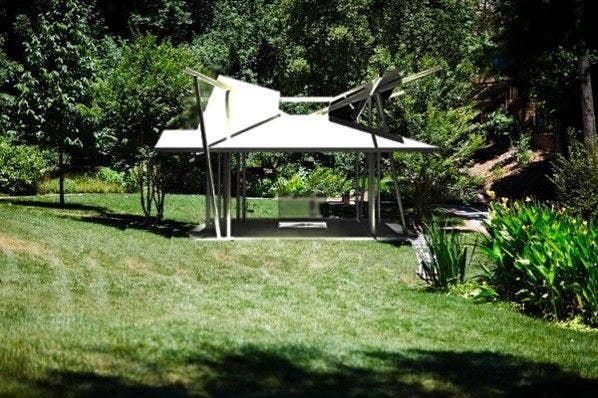
SANDY SPRINGS, GA -- Heritage Sandy Springs, the nonprofit organization whose mission includes stewardship of the freshwater springs from which the city got its name, has unveiled architectural plans for an updated structure under which to house the springs.
The proposals, developed by architects Lane M. Duncan, AIA and Linda Duncan, RA, are the first step towards updating the site and showcasing the springs in the heart of the city.
The spring site has played an important role in the development of the Sandy Springs community. According to historians, the springs served as a gathering place long before Sandy Springs was officially settled.
Find out what's happening in Sandy Springsfor free with the latest updates from Patch.
During the late 19th and early 20th centuries, the area was the site of annual camp revival meetings primarily coordinated by the Methodist church across the road. By the late 20th century, the springs had fallen into disrepair and were subject to commercial development. The Sandy Springs Historic Community Foundation, a precursor to HSS, saved the springs and allowed the park to again function as a community meeting place.
Currently, the underground springs can be seen pooled underneath an open-air pavilion at Heritage Green, the four-acre park managed by Heritage Sandy Springs.
Find out what's happening in Sandy Springsfor free with the latest updates from Patch.
The site’s proposed design will showcase the namesake waters of the community as well as compliment the City Springs development one block away.
“With the dynamic growth happening now in Sandy Springs, we feel the spring site is in need of an update to match the renewed energy of the city,” said Carol Thompson, executive director of Heritage Sandy Springs. “And since the spring site historically has been the community’s gathering place, we look forward to continuing that role as the ‘heart of our community’ for Sandy Springs’ residents and visitors.”
The planned additions of more parking and sidewalks in the area will help accommodate those visiting the spring site.
In a nod to the spring site’s historical significance as a gathering spot, the redesign will feature a small spring-side plaza with bistro tables for informal gatherings. The spring water will be directed above ground as a passive fountain, making the community’s illustrious waters more visible to visitors. A small canopy over the spring will be a playful abstraction of a forest canopy of trees and leaves, mimicking the foliage overhead.
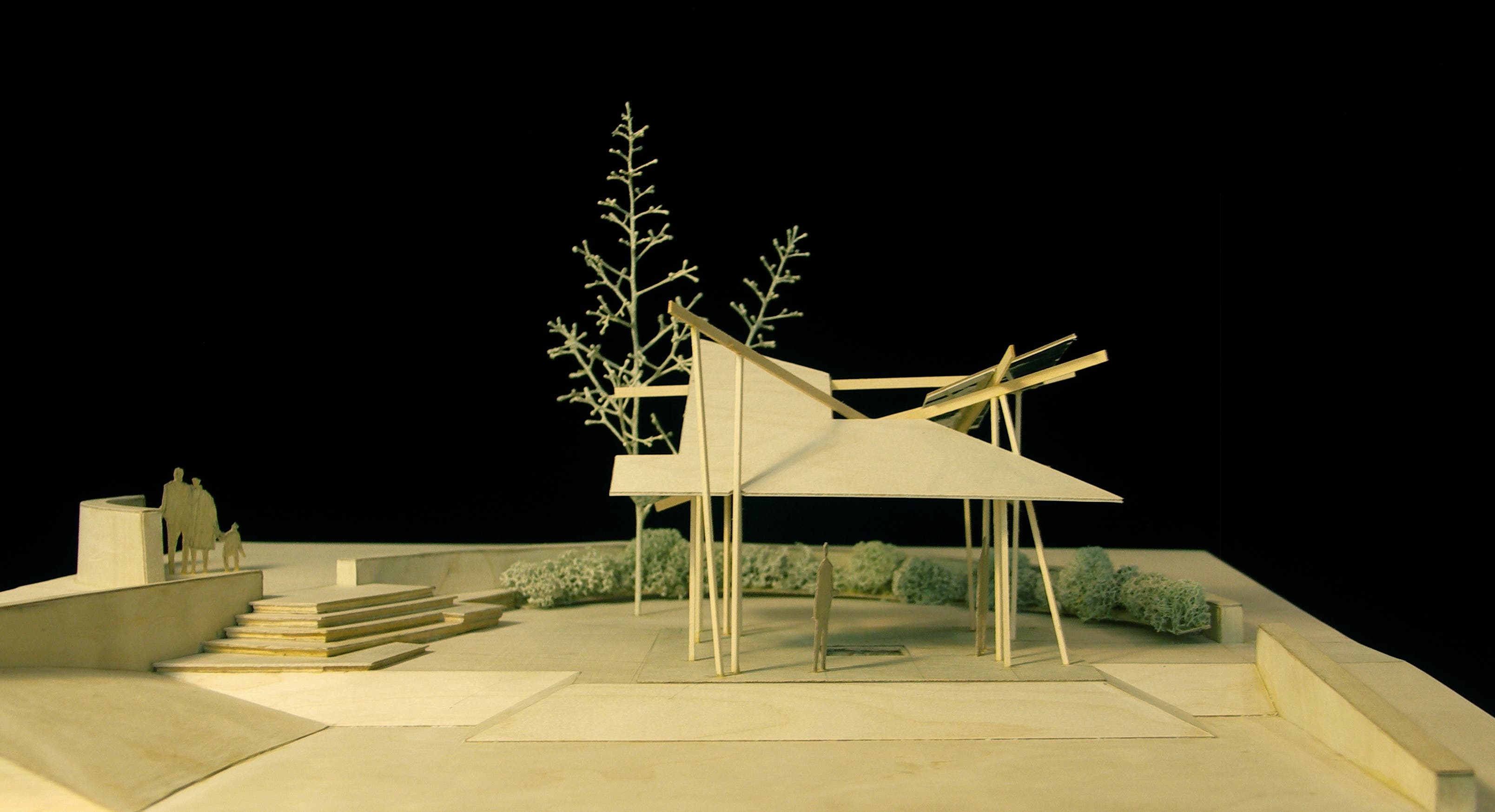
Natural light will filter through a series of roof panels, and the underside of the roof will be mirrored in order to reflect the spring water, natural light, and site visitors below. The grassy meadow in front of the spring site will be re-graded to better meet the needs of the numerous weddings and other functions held in the park throughout the year. New plants will be chosen for the site area based on their historical use by Native Americans and early settlers.
The designers of the new spring site, Lane M. Duncan, AIA and Linda Duncan, RA, were chosen among three architects following a competition held by Heritage Sandy Springs.
“There is no more important work for an architect than helping to re-establish the cultural legacy of a city,” said Lane Duncan. “The new Sandy Springs of today is in need of a welcoming park which celebrates the cultures that previously inhabited it, the restoration of its natural and ecologically-sound environment, and a quiet retreat for nearby residents, office workers, and educational groups.”
The landscape architectural and planning firm of jB+a has been chosen to work in tandem with the Duncan team.
The spring site evaluation and revitalization plan were financed by a grant from the Sandy Springs Society.
The project is estimated to cost $350,000 and will be funded primarily through a capital campaign and sponsorship opportunities. Construction is expected to begin by November and wrap up by March 2018.
Photo: a rendering showing what the project would look like after it's constructed. Credit: Heritage Sandy Springs
Get more local news delivered straight to your inbox. Sign up for free Patch newsletters and alerts.