Neighbor News
Integrating Emotion & Learning in Everyday Moments by Dr. By Dr. Kyle Pruett
Your own ideas about how to integrating emotion and learning in everyday moments with your child are probably better than anything!

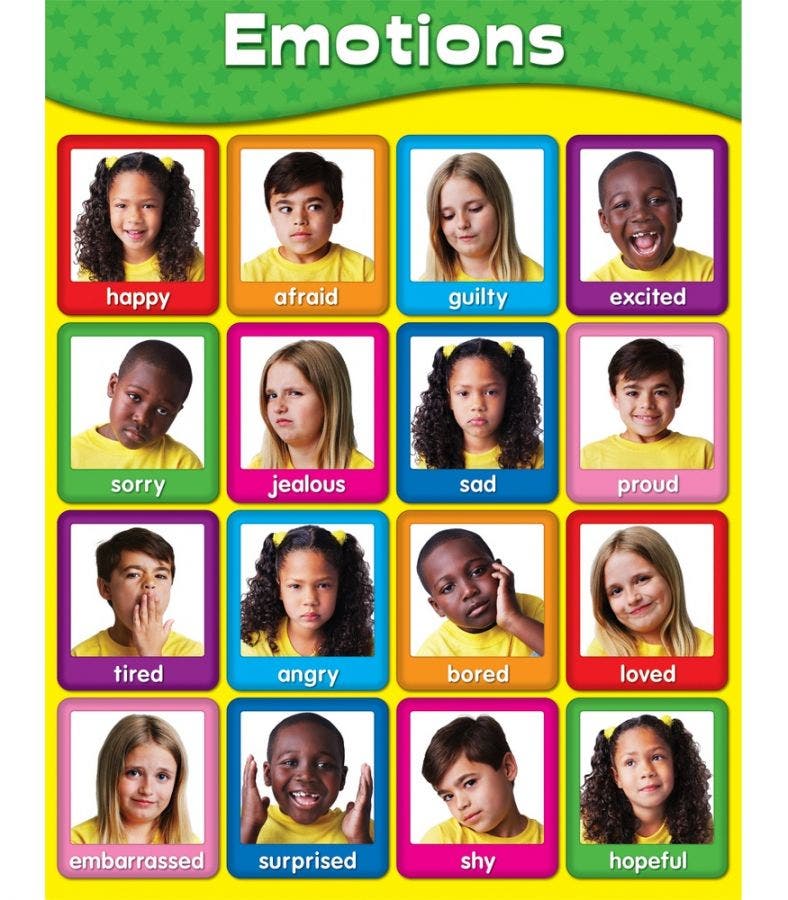
- Talk with your child. Hopefully, you have been doing that since the moment she was born. Chat with her about what you and she are doing. She’ll become part of the conversation sooner if you express to her what you love about being a parent.
- Encourage curiosity and understand that repetition is a good thing for him, boring though it might be for you. The neurological basis for the insistence on the familiar lies in the fact that when synaptic connections are repeatedly activated by the same stimulation, they become immune from elimination during the brain’s pruning process. They survive to become permanent neural connections that enhance learning. So go ahead and do what your child likes – over and over. This is a good rut to be in.
- Simply being nearby and available while your child plays on his own is so important, as is your willingness to interact. So get down on the floor and stay awhile. Of course, this is hard for working parents, but the effort is worth it.
- Nothing beats reading. Children don’t learn interactive, conversational language from TV because it does not respond to them. Language and eventually reading are learned from being actively engaged in speaking and reading with others – hearing parents and caregivers talk to each other and waiting for the child to respond.
- Children learn best in the context of their daily lives and when the amount and kind of stimulation fits their temperament, level of development, interests or preferences, and mood. Pressure to perform or conform to high expectations can lead to stress that can sabotage learning through burnout and confusion.
- Young children do not need to be taught how to think. Science is careening ahead pursuing fascinating findings and ideas about how, even whether, children this age actually do think. But our ignorance dominates our knowledge embarrassingly. We are still understanding why they even want to think in the first place. It is like walking or talking, unfolding in due course when the maturational timekeeper tells the mind-body duality, “Johnny: it’s time?”
- The five-second check-in. Since most of us don’t spend our days staring endlessly at our toddlers and preschoolers, it is important that you take a few seconds to assess the mood, or state your child is in before you join in his doings, ask him to do something or simply interrupt him. This is the feeling state that will determine his ability to understand or comply with whatever you might need, no matter how small. If you are not tuned in, he probably won’t hear (i.e. learn).
- Join your child. Follow her lead in activities she is already involved in. Don’t take over – it will turn her off. But if you want her to learn, become a partner in the exploration she has begun. Add a ball to hide in the pots and pans scene, or move close and take her hand if she is wary of a dog on a walk. Don’t instantly rescue (unless safety is an immediate concern) because you will lose one of those interesting moments of tension that could be mastered, leading a child to a wider, more complex understanding of the world.
- If your child balks at a “learning” moment with you, it could mean you didn’t read the five-second check-in right. Back up and let your child know you know what she is feeling first. (“I guess you weren’t quite through,” or “It’s hard to have to stop when you are having fun doing X.”) When the feeling domain feels appreciated, then the learning domain is less burdened.
- If your child needs redirection after you have connected with his mood or feeling, ask softly what he might enjoy doing. If you still have no luck make two suggestions of things he might do and help him choose. He will probably need some pump-priming from you, since you can manage your own mood apart from his. Remember, how you are in such moments, is as important as what you do.
- If it’s important for you to initiate an activity that will bring you pleasure and you know it could be good for your child, like reading or going for a walk, stabilize your own mood first. Only then can you help your child regulate hers. Once done, then she can crawl up on your lap or get out the door and learn. For some kids, it’s the other way around. But for the majority, in the feeling and learning dance, it isn’t always possible to say who is leading.
Kyle D. Pruett, M.D., is an advisor for The Goddard School®. Dr. Pruett is an authority on child development who has been practicing child and family psychiatry for over twenty-five years. He is a clinical professor of child psychiatry at Yale University's Child Study Center.
The Goddard School has become the first preschool program to join P21—a national organization championing 21st century skills. Through the fusion of reading, writing & arithmetic with the 4Cs—critical thinking, communication, collaboration and creativity—Goddard School graduates are well equipped and ready to succeed in school and in life.
Visiting our School is a great way to see our programs in action, introduce you to our teachers and answer your questions.
The Goddard School in Snellville
EMAIL: snellvillega@goddardschools.com
Phone: 678-344-0042
FAX: 770-985-5262
1565 Janmar Road
Snellville, GA 30078
http://www.goddardschool.com/atlanta/snellville-janmar-road-ga